
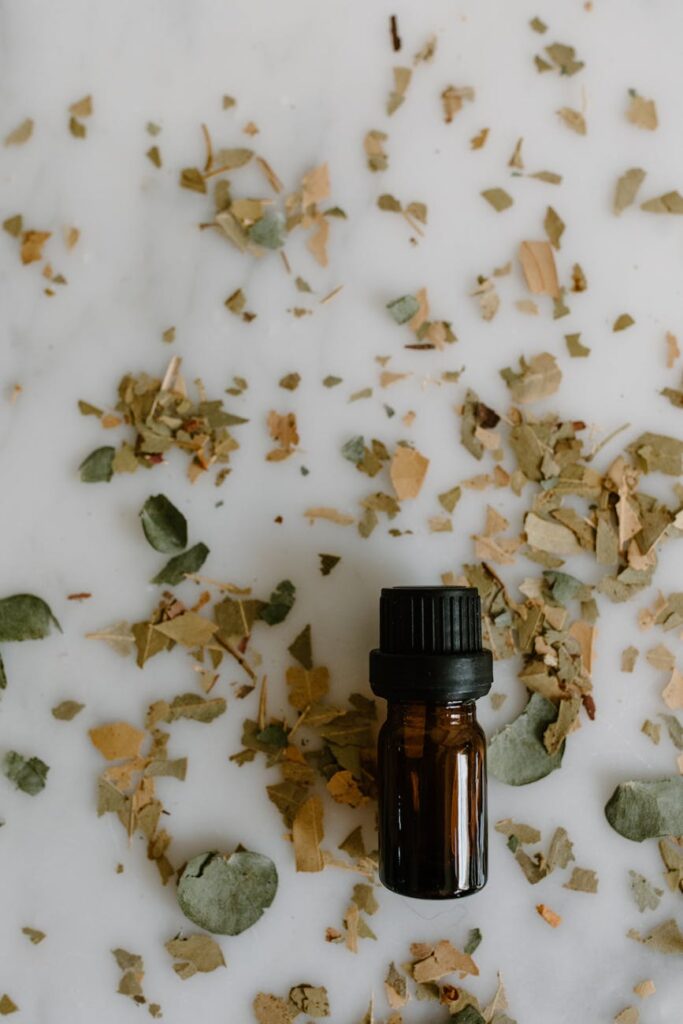
Aromatherapy Uses of DIY Aromatherapy Recipes for Mood Support with Sandalwood Oil
Introduction
Aromatherapy has long been celebrated for its potential to enhance well-being and promote emotional balance. Among the multitude of essential oils available, sandalwood oil stands out for its rich, warm, and woody aroma. This article delves into the art of DIY aromatherapy recipes specifically designed for mood support using sandalwood oil, exploring its benefits, applications, and safety considerations.
What Is DIY Aromatherapy Recipes for Mood Support with Sandalwood Oil?
DIY aromatherapy recipes involve the crafting of personalized blends using essential oils to achieve specific therapeutic outcomes. Sandalwood oil, extracted from the heartwood of the sandalwood tree, is renowned for its calming and grounding properties, making it ideal for mood support. This essential oil can be combined with other complementary oils to create synergistic blends that enhance emotional well-being.
Key Benefits and Properties
Sandalwood oil is characterized by its numerous beneficial properties, particularly when it comes to supporting mood:
1. Calming Effect: The soothing aroma of sandalwood is believed to help reduce feelings of anxiety and stress, promoting a sense of tranquility.
2. Grounding Qualities: Sandalwood is often used in meditation practices due to its ability to foster a sense of grounding and presence.
3. Emotional Balance: The oil may help balance the emotions, making it useful for those experiencing mood swings or emotional turbulence.
4. Antidepressant Properties: Some studies suggest that sandalwood oil can have uplifting effects on mood, potentially benefiting those dealing with feelings of sadness or low energy.
5. Aphrodisiac Qualities: Sandalwood is often associated with enhancing intimacy and romance, making it popular in blends aimed at fostering connection with oneself and others.
Common Uses
Sandalwood oil can be utilized in a variety of ways to support mood. Here are some common applications:
- Diffusion: Adding sandalwood oil to a diffuser allows the aroma to permeate a space, creating an inviting and calming atmosphere.
- Inhalation: Placing a few drops on a handkerchief or cotton ball and inhaling the scent can provide immediate emotional relief.
- Massage: Diluting sandalwood oil in a carrier oil and using it for massage can be an effective way to incorporate its benefits into a self-care routine.
- Bathing: Adding sandalwood oil to bathwater can transform a regular bath into a luxurious, relaxing experience.
- Personal Fragrance: Incorporating sandalwood into personal fragrance blends can provide both an aromatic and mood-enhancing experience.
- 5 drops of sandalwood oil
- 3 drops of lavender oil
- 2 drops of bergamot oil
- 2 tablespoons of carrier oil (e.g., jojoba, sweet almond, or coconut oil)
- 10 drops of sandalwood oil
- 1 cup of Epsom salt
- 1 cup of baking soda
- 1 tablespoon of carrier oil (optional)
- 4 drops of sandalwood oil
- 4 drops of frankincense oil
- 2 drops of cedarwood oil
- Dilution: Always dilute sandalwood oil with a carrier oil before applying it to the skin to prevent irritation.
- Patch Test: Conduct a patch test on a small area of skin before using a new oil or blend to check for allergic reactions.
- Pregnancy and Nursing: Pregnant or nursing individuals should consult a healthcare professional before using essential oils.
- Children and Pets: Keep essential oils out of reach of children and pets, and consult a veterinarian before using oils around animals.
- Quality Matters: Use only high-quality, pure sandalwood oil from reputable sources, as synthetic fragrances can differ significantly in properties and effects.
- Container: Store essential oils in dark glass bottles to protect them from light, which can degrade their quality.
- Temperature: Keep oils in a cool, dry place away from direct sunlight and heat.
- Shelf Life: Sandalwood oil can last up to five years if stored correctly, while DIY blends may have a shorter shelf life depending on the carrier oils used.
Aromatherapy Applications
Basic Sandalwood Mood Support Blend
Ingredients:
Instructions:
1. Combine the essential oils in a small glass container.
2. Add the carrier oil and mix well.
3. Store in a dark glass bottle for later use.
Application: Use this blend for massage or apply a small amount to pulse points for an uplifting effect throughout the day.
Sandalwood Calming Bath Soak
Ingredients:
Instructions:
1. In a bowl, mix the Epsom salt and baking soda.
2. Add the sandalwood oil and carrier oil, stirring to combine.
3. Store in an airtight container.
Application: Add a few tablespoons of this mixture to a warm bath to enhance relaxation and mood support.
Sandalwood Meditation Blend
Ingredients:
Instructions:
1. Combine the essential oils in a small glass container.
2. Inhale the blend directly or use it in a diffuser during meditation.
Application: This blend can be used during meditation to enhance focus and calm the mind.
Safety Considerations
While sandalwood oil is generally considered safe for topical and aromatic use, there are important safety considerations to keep in mind:
Storage and Shelf Life
Proper storage of sandalwood oil and DIY blends is crucial to maintain their efficacy:
Frequently Asked Questions
1. Can sandalwood oil be used for skin care?
Yes, sandalwood oil has properties that may benefit the skin, such as its anti-inflammatory and moisturizing effects. However, it should always be diluted in a carrier oil before topical application.
2. How can I integrate sandalwood oil into my daily routine?
Consider using sandalwood oil in a diffuser, adding it to your bath, or creating a personal fragrance blend. Incorporating it into your self-care practices can enhance your emotional and mental well-being.
3. Is sandalwood oil safe for children?
While sandalwood oil is generally considered safe, it is advisable to consult a healthcare professional before using any essential oils with children.
4. Can sandalwood oil help with stress relief?
Many users report that sandalwood oil helps them feel calmer and more centered, making it a popular choice for stress relief. Individual experiences may vary.
5. What are some other essential oils that blend well with sandalwood?
Sandalwood pairs well with several essential oils, including lavender, bergamot, frankincense, cedarwood, and ylang-ylang. Experimenting with different combinations can lead to unique and pleasing aromas.
Conclusion
Sandalwood oil is a powerful ally in the realm of aromatherapy, especially for those seeking mood support. By understanding its properties, benefits, and optimal applications, individuals can create personalized DIY recipes that enhance emotional well-being. Whether diffused, inhaled, or applied in a massage, sandalwood oil invites tranquility and balance into daily life, making it a cherished component of holistic self-care practices.