
Aromatherapy Uses of DIY Aromatherapy Recipes for Mood Upliftment
Introduction
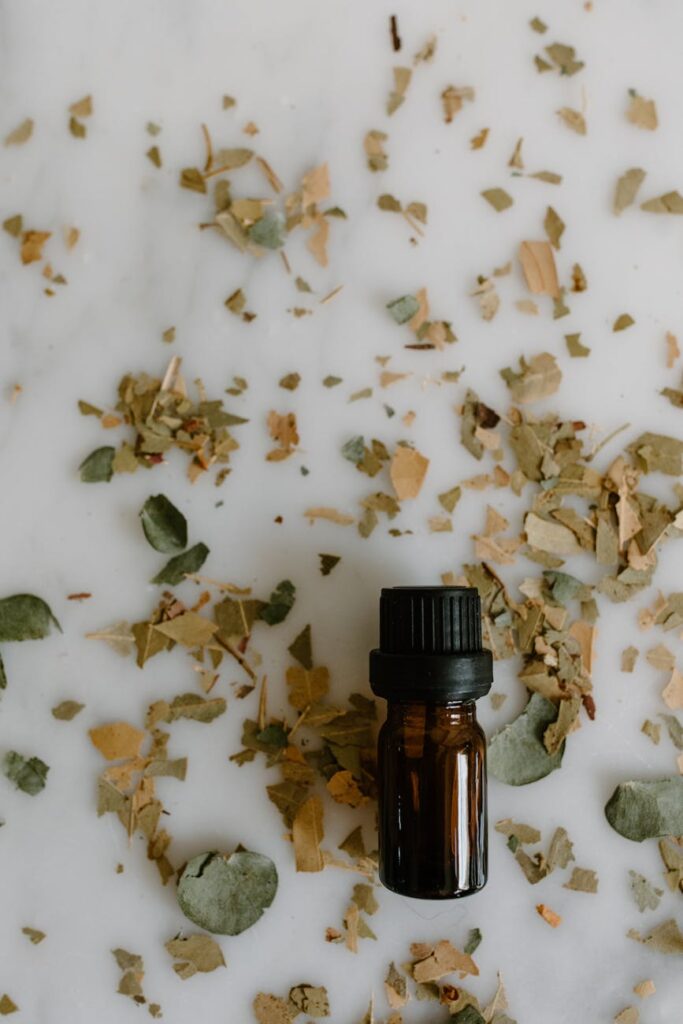
Aromatherapy, a holistic practice that uses essential oils derived from plants, has gained popularity for its potential to enhance wellbeing and mood. The practice involves the inhalation or topical application of essential oils, each possessing unique properties and benefits. DIY aromatherapy recipes for mood upliftment offer an engaging way to explore these aromatic compounds, allowing individuals to create personalized blends that resonate with their emotional needs. This article delves into the concept of DIY aromatherapy for mood upliftment, highlighting its benefits, common uses, and essential considerations for safe and effective application.
What Is DIY Aromatherapy Recipes for Mood Upliftment?
DIY aromatherapy recipes involve the creation of custom blends of essential oils designed to elevate mood and foster emotional balance. By harnessing the natural properties of various essential oils, individuals can craft formulations that resonate with their personal experiences and preferences. Mood upliftment can encompass a range of emotional states, including happiness, calmness, motivation, and clarity.
Crafting these recipes typically involves combining essential oils with a carrier medium, such as a base oil or water, to facilitate safe application. The process encourages creativity and self-expression, allowing users to connect with the aromas that inspire them most.
Key Benefits and Properties
The benefits of using essential oils for mood upliftment are rooted in their aromatic properties and therapeutic effects. Here are some key benefits:
1. Emotional Regulation: Certain essential oils, such as bergamot and lavender, are known for their calming properties, which may help mitigate feelings of anxiety and stress.
2. Mood Enhancement: Oils like sweet orange and ylang-ylang can promote feelings of joy and optimism, making them ideal for mood elevation.
3. Mental Clarity: Oils such as rosemary and peppermint may enhance focus and concentration, helping to uplift mood through increased cognitive function.
4. Relaxation and Sleep Aid: Some essential oils, including chamomile and cedarwood, are associated with promoting relaxation and improving sleep quality, which can indirectly boost mood.
5. Creativity and Inspiration: Aromas like jasmine and frankincense are believed to stimulate creativity, making them suitable for artistic pursuits and innovative thinking.
Common Uses
DIY aromatherapy recipes can be utilized in various settings and situations. Here are some common applications:
1. Diffusion: Using an essential oil diffuser allows the aromatic compounds to permeate the air, creating a pleasant atmosphere conducive to mood upliftment.
2. Topical Application: Blending essential oils with carrier oils for use on pulse points or as massage oils can provide direct benefits to mood.
3. Bath Additives: Incorporating essential oils into bathwater can create a luxurious and soothing experience, enhancing relaxation and joy.
4. Inhalation: Simple inhalation methods, such as using a cotton ball or personal inhaler, can deliver the aromatic benefits of essential oils directly to the user.
5. Room Sprays: DIY room sprays made with essential oils can refresh spaces while providing mood-enhancing aromas.
Aromatherapy Applications
Diffuser Blends
Creating diffuser blends is a simple way to explore the uplifting potential of various essential oils. A few popular combinations include:
- Citrus Bliss: Combine 3 drops of sweet orange, 2 drops of lemon, and 1 drop of grapefruit for a refreshing and energizing blend.
- Floral Uplift: Mix 2 drops of ylang-ylang, 2 drops of geranium, and 1 drop of bergamot for a joyful and floral aroma.
- Joyful Rollerball: In a 10 ml rollerball bottle, combine 5 drops of lavender, 5 drops of sweet orange, and fill with a carrier oil like jojoba or fractionated coconut oil. Apply to the wrists or behind the ears as desired.
- Soothing Bath Soak: Mix 5 drops of chamomile, 5 drops of eucalyptus, and 2 tablespoons of carrier oil or Epsom salt. Add to warm bathwater and soak for at least 15 minutes.
- Focus Inhaler: Blend 3 drops of peppermint, 2 drops of rosemary, and 1 drop of lemon in a personal inhaler. Inhale deeply as needed.
- Energizing Room Spray: Combine 10 drops of grapefruit, 5 drops of lavender, and 4 ounces of water in a spray bottle. Shake well before each use.
- Cool, Dark Place: Store essential oils in a cool, dark place, away from direct sunlight and heat sources to prevent degradation.
- Containers: Use dark glass containers (amber or cobalt) to protect oils from light exposure. Ensure lids are tightly sealed.
- Shelf Life: While essential oils can last for several years, their shelf life varies. Citrus oils tend to have shorter shelf lives (1-2 years), while others like sandalwood or patchouli may last longer (4-5 years).
Topical Blends
When crafting topical blends, it is essential to dilute essential oils in a carrier oil to ensure safety. A basic recipe for a mood-enhancing rollerball could include:
Bath Blends
For a relaxing bath experience, consider the following recipe:
Inhalation Blends
For quick mood elevation, inhalation methods can be effective:
Room Sprays
Creating a room spray can uplift the ambiance in any space:
Safety Considerations
While essential oils can offer many benefits, it is crucial to approach their use with caution:
1. Skin Sensitivity: Always perform a patch test when using a new essential oil to check for allergic reactions or sensitivities.
2. Dilution: Essential oils should be diluted before topical application to avoid skin irritation. A general guideline is to use 1-2% dilution for adults (approximately 5-10 drops of essential oil per ounce of carrier oil).
3. Quality of Oils: Use high-quality, pure essential oils from reputable suppliers. Synthetic fragrances or adulterated oils may not provide the desired benefits and could potentially cause adverse reactions.
4. Pregnancy and Nursing: Certain essential oils may not be safe for pregnant or nursing individuals. Always consult with a knowledgeable practitioner if unsure.
5. Children and Pets: Some essential oils can be harmful to children and pets. Research specific oils for safety and consider consulting with a qualified expert.
Storage and Shelf Life
Essential oils should be stored properly to maintain their potency and aroma:
Frequently Asked Questions
Can I use essential oils directly on my skin?
It is not recommended to apply essential oils directly to the skin without dilution, as they can cause irritation. Always mix them with a carrier oil before topical application.
How often can I use DIY aromatherapy recipes?
Frequency of use largely depends on individual preferences and sensitivities. It is advisable to listen to your body and adjust usage as necessary.
Are there specific essential oils that are particularly effective for mood upliftment?
Some commonly cited oils for mood upliftment include bergamot, sweet orange, lavender, and ylang-ylang. However, individual responses to scents can vary, so exploring different oils is encouraged.
Can I use essential oils if I have allergies or asthma?
Individuals with allergies or asthma should exercise caution. Consult with a healthcare professional before using essential oils, especially if you have pre-existing respiratory conditions.
How can I incorporate aromatherapy into my daily routine?
Consider incorporating aromatherapy into your daily life by using diffusers, applying topical blends, or enjoying baths with essential oils. Start with small amounts and gradually build your routine as you discover what works best for you.
Conclusion
DIY aromatherapy recipes for mood upliftment provide a creative and personal way to explore the benefits of essential oils. By understanding the properties, common uses, and safety considerations, individuals can craft their own uplifting blends to enhance emotional wellbeing. Whether diffusing delightful scents in the home, applying soothing blends to the skin, or indulging in aromatic baths, the journey into the world of aromatherapy offers endless possibilities for mood enhancement and personal expression.