
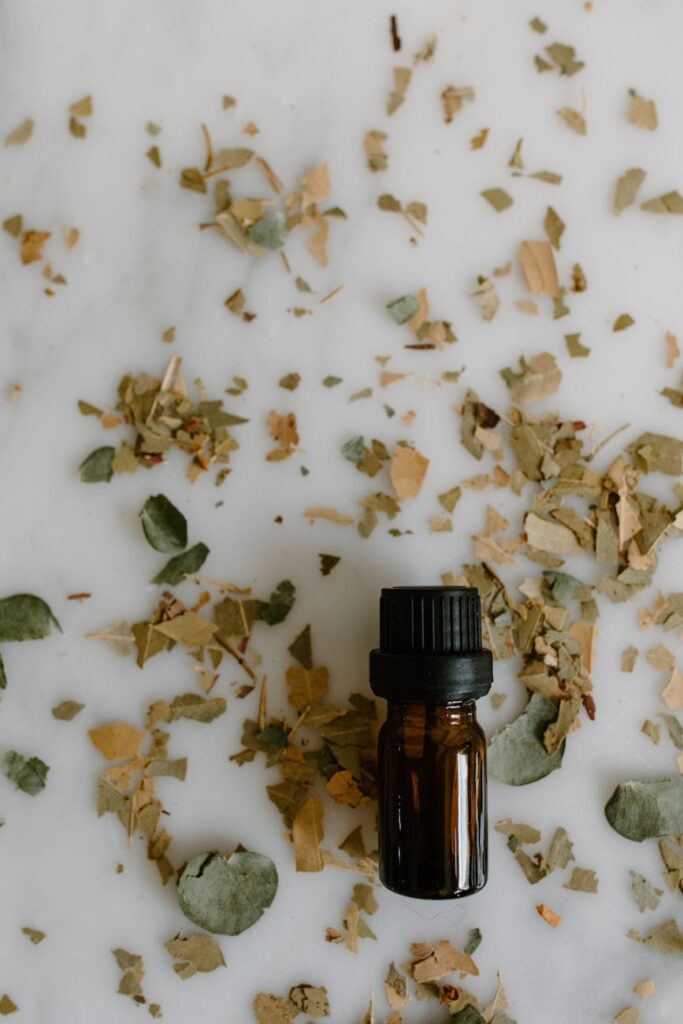
Aromatherapy Uses of DIY Aromatherapy Recipes for Respiratory Support
Introduction
Aromatherapy, the practice of using essential oils for therapeutic benefits, has gained popularity as a natural approach to wellness. Among its many applications, respiratory support is one of the most sought after, especially in today’s world where respiratory health is paramount. This article explores DIY aromatherapy recipes specifically designed to support respiratory health, highlighting their benefits, common uses, and safe application methods.
What Is DIY Aromatherapy Recipes for Respiratory Support?
DIY aromatherapy recipes for respiratory support involve the blending of essential oils known for their beneficial properties in promoting respiratory function. These recipes can be easily made at home, allowing individuals to tailor their blends according to personal preferences and needs. Essential oils such as eucalyptus, peppermint, and tea tree are often included for their reputed ability to clear airways, ease breathing, and enhance overall respiratory health.
Key Benefits and Properties
Essential oils have been studied for their various properties, many of which contribute to respiratory health. Here are some key benefits of commonly used essential oils in respiratory support:
- Eucalyptus: Known for its decongestant properties, eucalyptus oil can help to clear nasal passages and improve airflow. It contains a compound called eucalyptol, which is believed to have anti-inflammatory effects.
- Peppermint: The menthol in peppermint oil may help soothe irritated airways and promote easier breathing. Its cooling effect can also provide a sense of relief during respiratory discomfort.
- Tea Tree: Renowned for its antimicrobial properties, tea tree oil can support the immune system and may help combat respiratory infections.
- Lavender: Lavender is often used for its calming effects; it may help reduce stress and anxiety, which can exacerbate respiratory issues.
- Lemon: The refreshing scent of lemon oil can uplift mood and promote clarity, making it a valuable addition to respiratory blends.
- Steam Inhalation: Adding a few drops of essential oil to a bowl of hot water can create a steam inhalation treatment that may help clear the airways.
- Diffusion: Using an essential oil diffuser allows for the gentle dispersal of aromatic compounds into the air, creating a soothing atmosphere that may promote easier breathing.
- Topical Application: Blending essential oils with a carrier oil and applying them to the chest or back can provide localized support.
- Bath Soaks: Adding essential oils to a warm bath can create a calming environment while also benefiting the respiratory system.
- 3 drops eucalyptus essential oil
- 3 drops peppermint essential oil
- 2 drops tea tree essential oil
- 1 tablespoon carrier oil (such as sweet almond, coconut, or jojoba)
- 3 drops eucalyptus essential oil
- 2 drops peppermint essential oil
- 1 bowl of hot water
- 4 drops lavender essential oil
- 4 drops lemon essential oil
- 2 drops tea tree essential oil
- 5 drops eucalyptus essential oil
- 5 drops lavender essential oil
- ½ cup Epsom salts
- Dilution: Always dilute essential oils with a carrier oil before topical application to minimize the risk of skin irritation.
- Patch Test: Conduct a patch test on a small area of skin before using a new essential oil or blend to rule out allergic reactions.
- Sensitive Populations: Exercise caution when using essential oils around children, pregnant women, or individuals with respiratory issues. Consult a qualified professional for guidance.
- Quality of Oils: Use high-quality, pure essential oils from reputable sources to ensure safety and efficacy.
Common Uses
DIY aromatherapy recipes for respiratory support can be employed in various ways to enhance breathing and overall respiratory well-being. Common uses include:
Aromatherapy Applications
1. DIY Respiratory Support Blend
Ingredients:
Instructions:
1. In a small bowl, combine the essential oils with the carrier oil.
2. Mix well and store in a dark glass bottle.
3. Apply a small amount to the chest and back, massaging gently to promote absorption.
2. Steam Inhalation Recipe
Ingredients:
Instructions:
1. Boil water and pour it into a heat-resistant bowl.
2. Add the essential oils to the hot water.
3. Lean over the bowl, covering your head with a towel to trap the steam, and breathe deeply for several minutes. Be cautious of the hot steam.
3. Diffuser Blend
Ingredients:
Instructions:
1. Add the essential oils to your diffuser according to the manufacturer’s instructions.
2. Enjoy the calming and uplifting effects while benefiting from respiratory support.
4. Soothing Bath Soak
Ingredients:
Instructions:
1. In a small bowl, mix the essential oils with Epsom salts.
2. Add this mixture to a warm bath and soak for 20 to 30 minutes, allowing the aromas to envelop you.
Safety Considerations
While essential oils are generally considered safe, certain precautions should be taken:
Storage and Shelf Life
Proper storage of essential oils is crucial to maintaining their potency. Store essential oils in a cool, dark place, preferably in dark glass bottles to protect them from light. Most essential oils have a shelf life of 1 to 3 years, although some may last longer if stored correctly. Always check for any changes in scent, consistency, or color before using.
Frequently Asked Questions
1. Can essential oils replace medical treatments for respiratory issues?
Essential oils can complement traditional treatments but should not be used as a substitute for medical advice or prescribed medications. Always consult with a healthcare professional regarding respiratory health concerns.
2. Are there any essential oils I should avoid for respiratory support?
Some individuals may be sensitive to certain oils. Oils such as camphor and wintergreen can be irritating and should be used with caution. It’s best to research and consult with knowledgeable sources before experimenting.
3. How often can I use DIY respiratory blends?
The frequency of use can vary depending on individual needs and sensitivities. It is generally recommended to use respiratory blends 1-2 times a day, but it’s important to listen to your body and adjust as necessary.
4. Can I combine different essential oils?
Yes, combining essential oils can create synergistic effects. However, it’s important to research the properties of each oil to ensure they complement each other and are safe for use.
5. What is the best method for inhaling essential oils?
Steam inhalation, diffusion, and topical application are all effective methods. Choose the method that best suits your comfort and preferences while ensuring safety.
Conclusion
DIY aromatherapy recipes for respiratory support offer a natural and holistic approach to enhancing breathing and promoting overall wellness. By understanding the key benefits, applications, and safety considerations associated with essential oils, individuals can create customized blends to support their respiratory health. As with any wellness practice, it is essential to approach aromatherapy with mindfulness and respect for the powerful properties of these natural substances.