
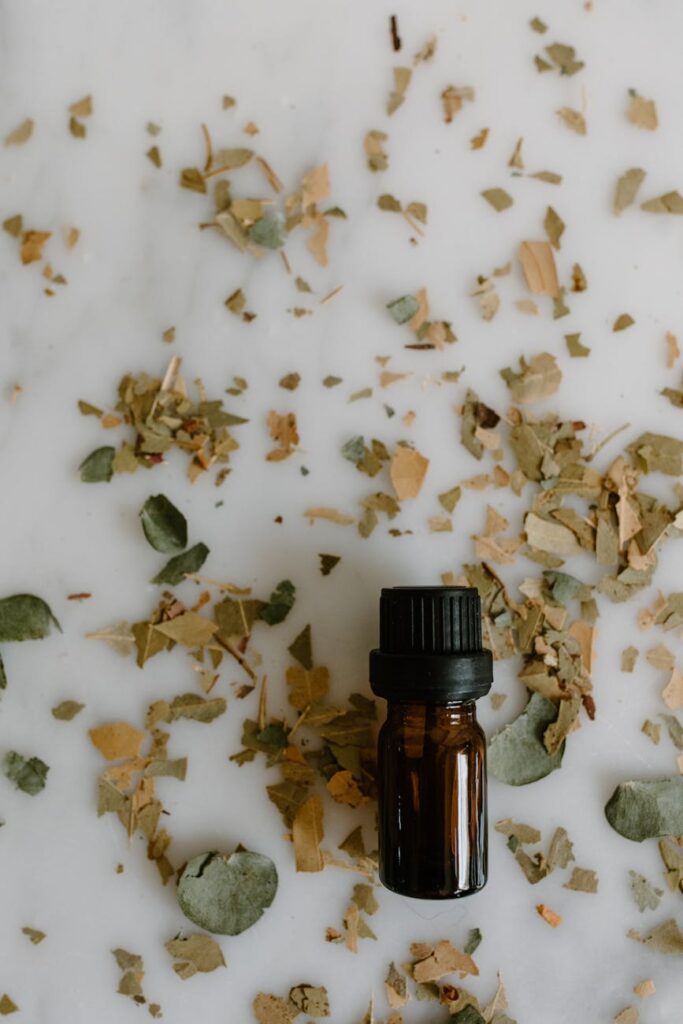
Aromatherapy Uses of DIY Aromatherapy Recipes for Seasonal Mood Changes
Introduction
The changing seasons can significantly impact our mood and emotional well-being. As we transition from the vibrancy of summer to the coolness of autumn, or from the starkness of winter to the renewal of spring, many individuals experience shifts in their emotional landscape. Aromatherapy, the therapeutic use of essential oils, offers a natural approach for managing these seasonal mood changes. This article explores DIY aromatherapy recipes that can help enhance mood and promote emotional balance throughout the year.
What Is DIY Aromatherapy Recipes for Seasonal Mood Changes?
DIY aromatherapy recipes involve creating personalized blends of essential oils tailored to specific emotional or physical needs. These recipes can be simple and accessible, allowing individuals to harness the power of plant-based aromas to support mental and emotional health during different times of the year. Seasonal mood changes may arise from various factors, including changes in daylight, temperature, and even lifestyle patterns. By using essential oils, individuals can create a sensory experience that complements their emotional state.
Key Benefits and Properties
The benefits of aromatherapy are numerous and can vary depending on the essential oils used. Some key properties of essential oils that can influence mood include:
1. Mood Enhancement: Certain oils, such as bergamot and sweet orange, are known for their uplifting properties. They can help alleviate feelings of sadness or lethargy often associated with seasonal changes.
2. Stress Relief: Oils like lavender and chamomile are often used for their calming effects. These oils can help reduce anxiety and promote a sense of tranquility.
3. Energy Boosting: Essential oils like peppermint and rosemary can provide invigorating effects, making them ideal for combating winter fatigue or spring sluggishness.
4. Clarity and Focus: Oils such as lemon and eucalyptus can help clear the mind, enhancing concentration and productivity—useful when transitioning back to routines after holiday breaks.
Common Uses
DIY aromatherapy recipes can be employed in various ways to support emotional well-being during seasonal transitions:
- Diffusion: Using an essential oil diffuser allows the aroma to permeate a room, creating an uplifting or calming atmosphere.
- Topical Application: Blending essential oils with carrier oils (like jojoba or sweet almond oil) for topical use can provide direct benefits. Always conduct a patch test to avoid skin irritation.
- Bath Soaks: Adding essential oils to bath water can create a soothing experience, helping to relax both the mind and body.
- Inhalation: Simply inhaling essential oils directly from the bottle or from a cotton ball can provide immediate effects.
- Ingredients: 5 drops of lemon, 3 drops of peppermint, 2 drops of rosemary.
- Application: Diffuse in the morning to promote energy and clarity as nature begins to bloom.
- Ingredients: 4 drops of lavender, 4 drops of sweet orange, 2 drops of bergamot.
- Application: Use in a roller bottle for topical application or diffuse during summer evenings to promote relaxation.
- Ingredients: 3 drops of cedarwood, 2 drops of cinnamon, 4 drops of orange.
- Application: Diffuse while enjoying cozy activities, or add to a warm bath to embrace the comforting scents of fall.
- Ingredients: 5 drops of frankincense, 3 drops of clary sage, 2 drops of sweet marjoram.
- Application: Use in a diffuser or create a massage oil to help combat winter blues and promote relaxation.
- Start Small: When creating your own blends, start with a few drops of each essential oil. You can always adjust the amount to suit your preference.
- Incorporate Carrier Oils: For topical applications, mix essential oils with carrier oils to ensure safe application on the skin.
- Experiment: Don’t hesitate to experiment with different combinations to find what resonates best with your mood and preferences.
- Keep Away from Light: Store essential oils in dark glass bottles to protect them from light, which can degrade their quality.
- Cool Temperature: Store oils in a cool, dry place to extend their shelf life.
- Expiration: Generally, essential oils can last from one to five years, depending on the type. Citrus oils tend to have a shorter shelf life, while oils like patchouli and sandalwood can last much longer.
Aromatherapy Applications
Seasonal Recipes
1. Spring Awakening Blend:
2. Summer Serenity Blend:
3. Autumn Comfort Blend:
4. Winter Warmth Blend:
General Tips for Blending
Safety Considerations
While aromatherapy is generally considered safe, there are important precautions to keep in mind:
1. Dilution: Always dilute essential oils with a carrier oil before applying to the skin to prevent irritation.
2. Patch Testing: Conduct a patch test on a small area of skin to check for allergic reactions or sensitivities.
3. Avoiding Certain Oils: Pregnant individuals, nursing mothers, and young children should exercise caution and consult with a knowledgeable professional before using essential oils.
4. Quality Matters: Choose high-quality, pure essential oils from reputable sources to ensure safety and efficacy.
Storage and Shelf Life
Proper storage is crucial for maintaining the potency of essential oils. Here are some tips:
Frequently Asked Questions
Can aromatherapy really help with mood changes?
While individual experiences can vary, many people find that aromatherapy provides emotional relief and support during seasonal transitions.
How do I choose the right essential oils for my mood?
Consider the properties of each oil. Research their effects and choose those that resonate with your emotional state or desired outcome.
Is it safe to use essential oils around pets?
Certain essential oils can be harmful to pets. It is advisable to consult with a veterinarian before using essential oils in a home with animals.
How often can I use DIY recipes?
You can use DIY aromatherapy recipes as often as you feel necessary. However, it’s advisable to take breaks and vary your oils to prevent desensitization.
Can I use essential oils in cooking?
Some essential oils are safe for culinary use, but it is crucial to ensure they are food-grade and to use them sparingly. Always consult reliable sources before consuming essential oils.
Conclusion
DIY aromatherapy recipes offer a wonderful opportunity to navigate the emotional shifts that accompany seasonal changes. By blending essential oils that resonate with your mood and utilizing them through various applications, you can create a more harmonious environment throughout the year. Understanding the benefits, safety considerations, and proper storage techniques will empower you to make the most of your aromatherapy experience. Embrace the natural power of scent to support your emotional well-being and enhance your seasonal transitions.