
Aromatherapy Uses of DIY Aromatherapy Recipes for Seasonal Mood Regulation
Introduction
Seasonal changes can significantly impact our mood and overall well-being. Many people experience fluctuations in their emotional state as the seasons shift, often referred to as Seasonal Affective Disorder (SAD) or simply seasonal blues. Aromatherapy, a holistic healing practice that utilizes essential oils for physical and emotional well-being, offers a natural approach to support mood regulation during these transitional times. This article will explore the concept of DIY aromatherapy recipes tailored for seasonal mood enhancement, discussing their benefits, common uses, and applications, while also addressing safety considerations and storage guidelines.
What Is DIY Aromatherapy Recipes for Seasonal Mood Regulation?
DIY aromatherapy recipes involve the blending of essential oils with carrier oils or other ingredients to create personalized formulations aimed at enhancing mood and emotional health. Seasonal mood regulation focuses on addressing the emotional shifts individuals may experience as the seasons change. These recipes can be created at home, allowing users to tailor them to their specific preferences and needs.
Essential oils, extracted from various plants, exhibit unique properties that can influence mood and emotions. By understanding the characteristics of different essential oils, individuals can create blends that foster feelings of calm, joy, and upliftment.
Key Benefits and Properties
The benefits of using essential oils in aromatherapy extend beyond mere fragrance. Here are some key properties associated with various essential oils commonly used for mood regulation:
1. Citrus Oils (e.g., Lemon, Orange, Grapefruit):
- Properties: Uplifting, energizing, and refreshing.
- Benefits: These oils are known for their ability to enhance mood and promote feelings of joy and positivity.
- Properties: Calming, soothing, and relaxing.
- Benefits: Lavender is often used to alleviate stress and anxiety, making it ideal for those experiencing seasonal mood shifts.
- Properties: Invigorating and refreshing.
- Benefits: Peppermint can help combat fatigue and promote mental clarity, making it useful during the dreary winter months.
- Properties: Balancing and uplifting.
- Benefits: Known for its ability to reduce feelings of stress and anxiety, bergamot can enhance overall mood.
- Properties: Grounding and centering.
- Benefits: This oil is often used in meditation and mindfulness practices, aiding in emotional balance.
- Properties: Sweet, floral, and uplifting.
- Benefits: Ylang ylang can promote feelings of joy and reduce anxiety.
- Using a diffuser to disperse essential oils into the air allows for a continuous, gentle release of aromatic compounds, creating a calming or uplifting atmosphere.
- Essential oils diluted in a carrier oil can be applied to pulse points, such as wrists and temples, for an immediate mood boost.
- Adding essential oils to bathwater can create a soothing and relaxing environment, ideal for unwinding after a long day.
- Simple inhalation of essential oils from a bottle or a cotton ball can provide quick relief and enhance mood.
- Creating room sprays with essential oils can refresh living spaces while providing mood-enhancing benefits.
- Ingredients:
- 5 drops of Sweet Orange Essential Oil
- 3 drops of Lemon Essential Oil
- 2 drops of Bergamot Essential Oil
- 2 tablespoons of Carrier Oil (e.g., Jojoba or Sweet Almond Oil)
- Application: Use as a roll-on to uplift your mood throughout the day.
- Ingredients:
- 5 drops of Lavender Essential Oil
- 3 drops of Frankincense Essential Oil
- 2 tablespoons of Carrier Oil
- Application: Apply to pulse points before bedtime or during moments of stress.
- Ingredients:
- 4 drops of Peppermint Essential Oil
- 3 drops of Grapefruit Essential Oil
- 2 tablespoons of Carrier Oil
- Application: Use this blend in a diffuser or as a topical application to boost energy levels.
- Ingredients:
- 4 drops of Ylang Ylang Essential Oil
- 3 drops of Lavender Essential Oil
- 2 tablespoons of Carrier Oil
- Application: Ideal for a relaxing bath or as a room spray.
- Ingredients:
- 5 drops of Frankincense Essential Oil
- 3 drops of Cedarwood Essential Oil
- 2 tablespoons of Carrier Oil
- Application: Apply during meditation or quiet moments to promote emotional balance.
2. Lavender:
3. Peppermint:
4. Bergamot:
5. Frankincense:
6. Ylang Ylang:
Common Uses
DIY aromatherapy recipes for seasonal mood regulation can be employed in various ways, including:
1. Diffusion:
2. Topical Application:
3. Bath Blends:
4. Inhalation:
5. Room Sprays:
Aromatherapy Applications
DIY Recipes for Seasonal Mood Regulation
1. Uplifting Citrus Blend:
2. Calming Lavender Blend:
3. Invigorating Mint Blend:
4. Floral Ylang Ylang Blend:
5. Grounding Frankincense Blend:
Safety Considerations
While aromatherapy is generally safe for most individuals, certain precautions should be taken:
1. Dilution: Always dilute essential oils with a carrier oil before applying them to the skin to prevent irritation.
2. Patch Test: Conduct a patch test before using a new essential oil to check for allergic reactions.
3. Avoid Ingestion: Essential oils should not be ingested unless under the guidance of a qualified practitioner.
4. Pregnancy and Health Conditions: Consult with a healthcare professional if pregnant, nursing, or suffering from chronic health conditions before using essential oils.
5. Keep Away from Eyes: Avoid contact with eyes and sensitive areas. If contact occurs, rinse immediately with a carrier oil.
Storage and Shelf Life
Proper storage of essential oils is crucial for maintaining their potency and efficacy. Here are some guidelines:
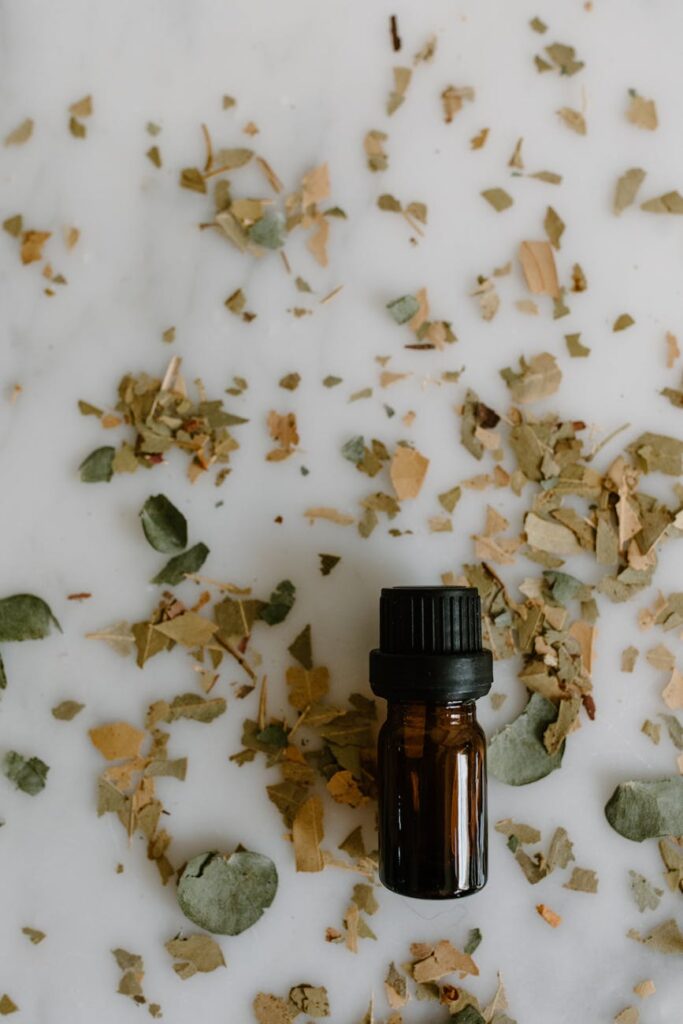
1. Dark Glass Bottles: Store essential oils in dark glass bottles to protect them from light, which can degrade their quality.
2. Cool, Dry Place: Keep essential oils in a cool, dry environment away from direct sunlight and heat sources.
3. Shelf Life: Most essential oils have a shelf life of 1 to 3 years, depending on the oil type. Citrus oils tend to have a shorter shelf life, while oils like sandalwood and patchouli may last longer.
4. Check for Rancidity: Essential oils can go rancid. Check for changes in color, consistency, or scent before use.
Frequently Asked Questions
1. Can I use essential oils if I have allergies?
While many people with allergies can safely use essential oils, it’s important to conduct a patch test and consult with a healthcare professional if you have known sensitivities.
2. How often can I use DIY aromatherapy recipes?
You can use these recipes as often as needed throughout the day. However, it’s essential to listen to your body and not overuse any specific blend.
3. Are there essential oils to avoid during pregnancy?
Yes, some essential oils may not be safe during pregnancy. It’s best to consult a healthcare provider to determine which oils are safe for use.
4. Can I mix different essential oils in one recipe?
Certainly! In fact, blending different essential oils can create synergistic effects, enhancing the overall benefits. Just ensure you follow proper dilution guidelines.
5. What is the best method for using essential oils for mood regulation?
The best method varies by individual preference. Diffusion, topical application, or inhalation can all be effective, so it may be beneficial to try different methods to find what works best for you.
Conclusion
DIY aromatherapy recipes for seasonal mood regulation offer a natural and effective way to manage emotional fluctuations associated with seasonal changes. By understanding the properties of various essential oils and creating customized blends, individuals can enhance their mood and overall well-being during challenging times. Incorporating these practices into a daily routine can promote emotional balance, providing a comforting and uplifting experience as the seasons shift. Always remember to prioritize safety and proper storage to enjoy the full benefits of your aromatherapy journey.