
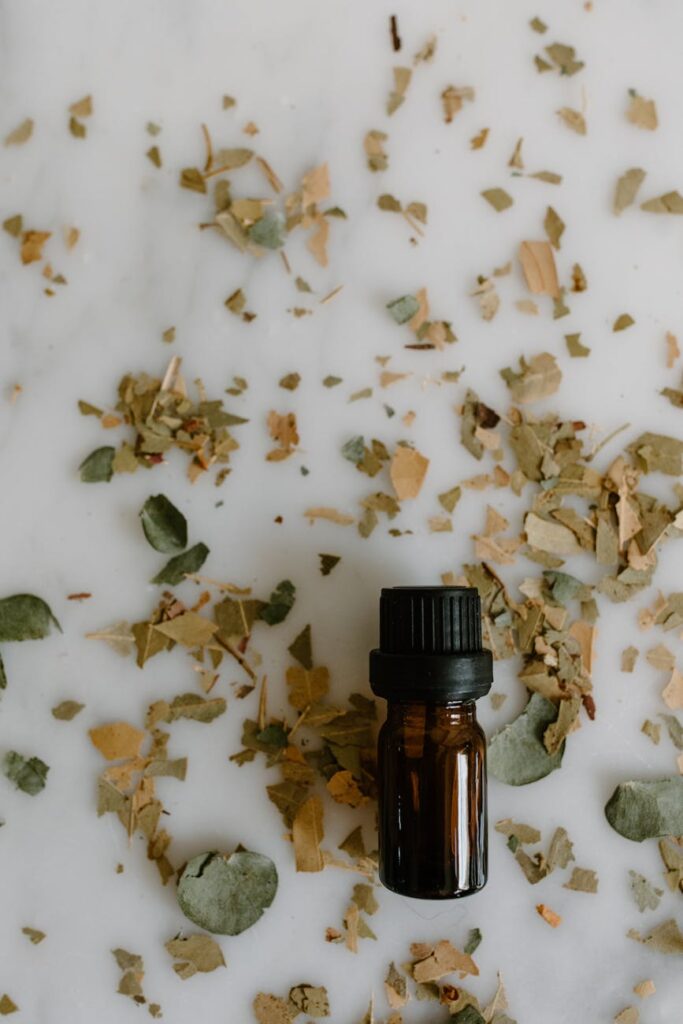
Aromatherapy Uses of DIY Aromatherapy Recipes for Seasonal Mood Support with Floral Oils
Introduction
The changing seasons can have a profound effect on our moods and overall well-being. As the world around us shifts, so too can our emotional landscape. Aromatherapy, the practice of using essential oils derived from plants to enhance physical and emotional health, offers a natural means of supporting mood during these seasonal transitions. This article will explore DIY aromatherapy recipes that utilize floral oils, highlighting their benefits, applications, and safety considerations.
What Is DIY Aromatherapy Recipes for Seasonal Mood Support with Floral Oils?
DIY aromatherapy recipes involve blending essential oils with carrier oils or other ingredients to create personalized formulas that cater to individual needs. Floral oils, extracted from various plants, are particularly valued in aromatherapy for their uplifting and calming properties. Common floral oils include lavender, rose, chamomile, and ylang-ylang, each offering unique benefits for emotional wellness.
Seasonal mood shifts are often influenced by environmental factors such as light, temperature, and even social engagements. By utilizing floral oils in DIY recipes, individuals can create supportive blends that enhance mood, promote relaxation, and foster a sense of harmony.
Key Benefits and Properties
Floral oils possess distinct characteristics that contribute to their efficacy in mood support:
1. Lavender (Lavandula angustifolia): Known for its calming properties, lavender can help alleviate feelings of anxiety and promote restful sleep. Its soothing aroma is often associated with relaxation.
2. Rose (Rosa damascena): This luxurious oil is renowned for its emotional benefits, including the ability to uplift mood and instill feelings of love and compassion. It is often used for its ability to balance emotions and reduce stress.
3. Chamomile (Matricaria chamomilla): Chamomile is prized for its calming effects, making it an excellent choice for those experiencing seasonal mood fluctuations. It is often used to promote relaxation and reduce feelings of irritability.
4. Ylang-Ylang (Cananga odorata): This exotic floral oil is celebrated for its uplifting properties. It may help to alleviate feelings of sadness and enhance emotional balance.
5. Geranium (Pelargonium graveolens): Known for its balancing effects on hormones and emotions, geranium oil is often used to promote feelings of well-being and reduce stress.
These floral oils can be effectively combined in various DIY recipes to create personalized blends that cater to individual preferences and needs.
Common Uses
DIY aromatherapy recipes featuring floral oils can be utilized in various situations, including:
- Diffusion: Adding essential oils to a diffuser can create a calming atmosphere, making it ideal for meditation or relaxation during seasonal changes.
- Topical Application: Blending floral oils with carrier oils (such as jojoba or sweet almond oil) for massage can provide a soothing experience that supports emotional balance.
- Bath Soaks: Incorporating floral oils into bath products can enhance relaxation and create a luxurious spa experience at home.
- Inhalation: Directly inhaling floral oils from the bottle or a tissue can offer quick emotional support during moments of stress or anxiety.
- 1 cup distilled water
- 10 drops lavender essential oil
- 5 drops chamomile essential oil
- 2 tablespoons carrier oil (jojoba or sweet almond)
- 5 drops rose essential oil
- 5 drops ylang-ylang essential oil
- 1 cup Epsom salt
- 10 drops geranium essential oil
- 5 drops lavender essential oil
- 5 drops chamomile essential oil
- 5 drops ylang-ylang essential oil
- 5 drops rose essential oil
- Dilution: Essential oils are potent and should be diluted with a carrier oil before topical application to prevent skin irritation.
- Patch Test: Always conduct a patch test by applying a small amount of the diluted blend to a small area of skin to check for any adverse reactions.
- Pregnancy and Medical Conditions: Individuals who are pregnant, nursing, or have underlying medical conditions should consult with a qualified professional before using essential oils.
- Storage: Keep essential oils out of reach of children and pets. Store oils in a cool, dark place to maintain their potency.
- Containers: Store essential oils in dark glass bottles to protect them from light, which can degrade their quality.
- Temperature: Keep oils in a cool, dark place, away from heat sources and direct sunlight.
- Shelf Life: Floral oils typically have a shelf life of 1 to 3 years, depending on the oil. Always check for changes in aroma, color, or viscosity before use.
Aromatherapy Applications
Creating your own DIY aromatherapy recipes can be a rewarding endeavor. Below are some simple recipes featuring floral oils that can be used for seasonal mood support.
Calming Lavender Mist
Ingredients:
Instructions:
1. Combine the distilled water and essential oils in a spray bottle.
2. Shake gently before use.
3. Spray around your living space or on pillows for a calming atmosphere.
Uplifting Rose Blend
Ingredients:
Instructions:
1. Mix the carrier oil and essential oils in a small glass container.
2. Massage a small amount onto pulse points, such as wrists or neck.
Relaxing Floral Bath Soak
Ingredients:
Instructions:
1. Combine Epsom salt and essential oils in a bowl.
2. Add to a warm bath and soak for at least 20 minutes for relaxation.
Joyful Inhalation Blend
Ingredients:
Instructions:
1. Place the oils on a cotton ball or tissue.
2. Inhale deeply when feeling down or in need of an emotional lift.
By experimenting with different floral oils and blends, individuals can discover what works best for their unique emotional needs.
Safety Considerations
While floral oils are generally considered safe for use, there are important safety considerations to keep in mind:
Storage and Shelf Life
Proper storage of essential oils is essential for maintaining their efficacy. Here are some key points regarding storage and shelf life:
Frequently Asked Questions
Can I mix different floral oils together?
Yes, blending different floral oils can create unique and personalized aromas. Experimenting with ratios can help you discover combinations that resonate with your individual preferences.
Are floral oils safe for children?
Some floral oils can be used safely with children, but it is essential to dilute them appropriately and consult with a qualified professional for guidance.
Can I use floral oils in cooking or food?
Floral oils are generally not recommended for culinary use unless they are specifically labeled as food-grade.
How often can I use DIY aromatherapy recipes?
You can use DIY aromatherapy recipes as often as you feel necessary. However, it is advisable to listen to your body and adjust usage based on personal comfort and response.
What if I experience an allergic reaction?
If you experience any irritation or allergic reaction, discontinue use immediately and wash the affected area with mild soap and water. Consult a healthcare professional if necessary.
Conclusion
DIY aromatherapy recipes utilizing floral oils offer a versatile and natural approach to supporting mood during seasonal changes. By understanding the properties, benefits, and applications of floral oils, individuals can create personalized blends that resonate with their emotional needs. With proper safety considerations and storage practices, the enchanting world of floral aromatherapy can enhance well-being and foster a deeper connection to the changing seasons.