
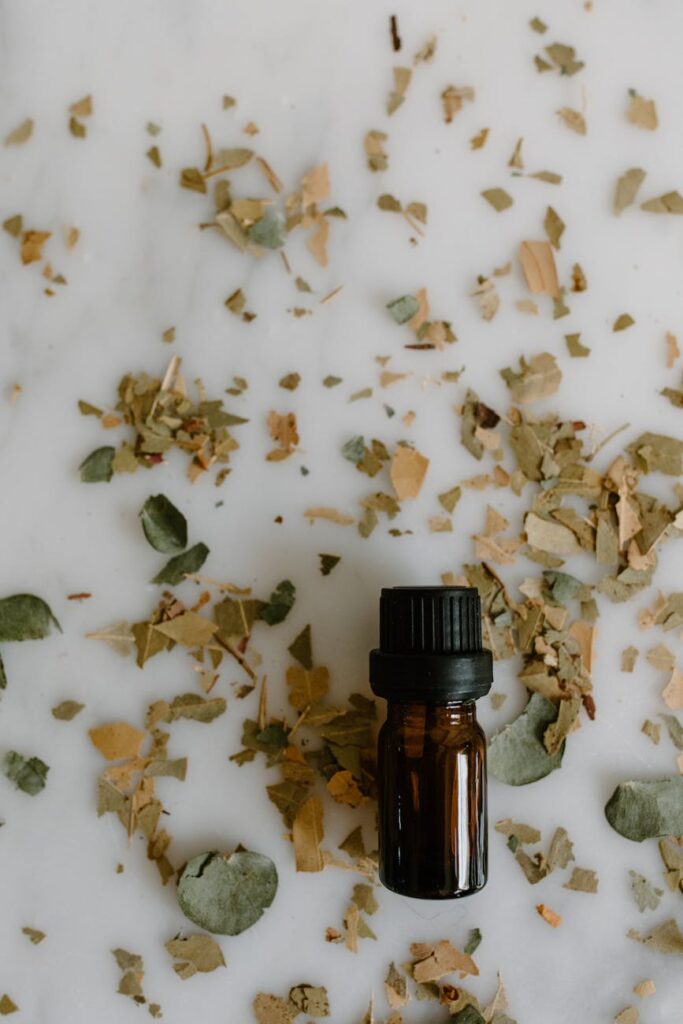
Aromatherapy Uses of DIY Aromatherapy Recipes for Seasonal Mood Support with Herbal Blends
Introduction
Aromatherapy, the practice of using essential oils extracted from plants for therapeutic purposes, has gained popularity as a natural method to support emotional and physical well-being. Seasonal changes often bring about shifts in mood and energy levels, making it essential to find holistic ways to navigate these transitions. DIY aromatherapy recipes that incorporate herbal blends can be particularly effective for seasonal mood support. This article delves into the world of DIY aromatherapy, exploring how herbal blends can enhance your emotional resilience throughout the year.
What Is DIY Aromatherapy Recipes for Seasonal Mood Support with Herbal Blends?
DIY aromatherapy refers to the practice of creating personalized essential oil blends at home, tailored to meet individual needs and preferences. Seasonal mood support focuses on the emotional fluctuations that can occur during different times of the year—such as winter blues or springtime rejuvenation. Herbal blends combine various essential oils, herbs, and other natural ingredients to promote emotional balance and well-being.
The fundamental principle of DIY aromatherapy is to harness the therapeutic properties of essential oils. When combined with herbs, these oils can create synergistic effects, enhancing their overall impact on mood and emotional health. Commonly used herbs in these blends include lavender, chamomile, and rosemary, each contributing unique properties that can elevate the effectiveness of the oils.
Key Benefits and Properties
1. Emotional Balance: Many essential oils and herbs possess properties that can help stabilize mood. For instance, oils like bergamot and ylang-ylang are known for their uplifting qualities, while chamomile and lavender are often used for their calming effects.
2. Stress Relief: Seasonal transitions can often lead to increased stress levels. Blends that incorporate stress-relieving herbs like lemon balm or passionflower can be particularly beneficial.
3. Enhanced Focus and Clarity: Certain herbal blends can improve cognitive function and focus, making them ideal for use during busy or stressful seasons. Peppermint and rosemary are known for their stimulating effects on mental clarity.
4. Relaxation and Sleep Support: As the seasons change, sleep patterns may be disrupted. Essential oils like cedarwood and vetiver, when blended with calming herbs, can promote relaxation and enhance sleep quality.
5. Creativity and Inspiration: Seasonal changes can also inspire creativity. Blends that include citrus oils like grapefruit and uplifting herbs can help stimulate creative thought.
Common Uses
DIY aromatherapy recipes with herbal blends can be used in various ways, including:
- Diffusion: Adding essential oil blends to a diffuser can fill your space with uplifting or calming aromas, creating an environment conducive to emotional well-being.
- Topical Application: Diluting essential oils in a carrier oil can allow for direct application to pulse points, providing immediate support as needed.
- Bath Soaks: Adding essential oil blends to bath salts or oils can create a relaxing atmosphere, perfect for unwinding after a long day.
- Inhalation: Direct inhalation from a bottle or a personal inhaler can offer quick relief and mood support.
- Room Sprays: Creating a room spray with essential oils and herbal infusions can help refresh your space while promoting an uplifting atmosphere.
- Ingredients: 5 drops of cedarwood, 3 drops of sweet orange, 2 drops of cinnamon leaf, and a teaspoon of carrier oil.
- Application: Use for a soothing massage or in a diffuser to create a warm, inviting environment during the colder months.
- Ingredients: 4 drops of lemon, 3 drops of rosemary, and 2 drops of peppermint.
- Application: Diffuse or apply topically to boost energy and promote mental clarity as the seasons shift.
- Ingredients: 5 drops of lavender, 3 drops of bergamot, and 2 drops of chamomile.
- Application: Ideal for evening relaxation or a calming bath after a hot day.
- Ingredients: 4 drops of frankincense, 3 drops of clary sage, and 2 drops of geranium.
- Application: Diffuse during meditation or apply for grounding and centering as the year winds down.
- Containers: Store essential oils in dark glass bottles to protect them from light. Avoid plastic containers, as oils can degrade plastic over time.
- Temperature: Keep oils in a cool, dark place, away from heat sources, to prevent degradation.
- Shelf Life: The shelf life of essential oils varies; citrus oils typically last about 1-2 years, while woody oils like cedarwood can last longer. Always check for changes in aroma or consistency, as these can indicate that the oil has expired.
Aromatherapy Applications
Seasonal Recipes
1. Winter Warmth Blend:
2. Spring Awakening Blend:
3. Summer Calm Blend:
4. Autumn Renewal Blend:
Customization
One of the most appealing aspects of DIY aromatherapy is the ability to customize blends to suit individual preferences. Consider incorporating other ingredients such as carrier oils (jojoba, sweet almond), floral waters (rose or lavender), or even dried herbs into your recipes. This will not only enhance the aroma but also add additional therapeutic benefits.
Safety Considerations
While essential oils are generally safe when used correctly, there are several important safety considerations to keep in mind:
1. Dilution: Always dilute essential oils in a carrier oil before topical application. A common dilution ratio is 2-3 drops of essential oil per teaspoon of carrier oil.
2. Patch Testing: Conduct a patch test on a small area of skin to check for any allergic reactions before applying a new blend more broadly.
3. Avoiding Sensitivities: Certain oils, such as citrus oils, may increase sensitivity to sunlight, so caution is advised when using these oils before sun exposure.
4. Consultation: If you are pregnant, nursing, or have pre-existing health conditions, consult with a qualified health professional before using essential oils.
5. Quality of Ingredients: Use high-quality, pure essential oils and herbs to ensure safety and efficacy. Synthetic or adulterated oils may not offer the same benefits and could pose health risks.
Storage and Shelf Life
Proper storage of essential oils and herbal blends is crucial for maintaining their potency and effectiveness. Here are some recommendations:
Frequently Asked Questions
What is the best way to start with DIY aromatherapy?
Begin by researching different essential oils and their properties. Start with a few basic oils that resonate with you, and gradually experiment with blending them to create personalized recipes.
Can I use dried herbs in my aromatherapy blends?
Yes, dried herbs can be infused into carrier oils or used in sachets for scent and therapeutic benefits. However, they should not replace essential oils, which contain concentrated plant compounds.
How often can I use my DIY blends?
The frequency of use depends on individual preferences and responses. Generally, using a blend 1-2 times per day for topical applications or diffusing as needed is considered safe.
Are there any essential oils to avoid?
Yes, some essential oils may cause irritation or adverse reactions for some individuals. Oils such as clove and cinnamon should be used with caution due to their potential for skin sensitization.
Can children use essential oils?
While some essential oils can be used safely with children, it is essential to dilute them properly and consult guidelines specific to age groups. Always seek advice from a qualified professional if unsure.
Conclusion
DIY aromatherapy recipes for seasonal mood support with herbal blends offer a natural, holistic approach to enhancing emotional well-being throughout the year. By understanding the benefits, applications, and safety considerations, individuals can create personalized blends that resonate with their unique needs. Whether you seek to uplift your spirits during dark winter months or embrace the vitality of spring, the art of DIY aromatherapy provides an enriching experience that connects you with nature and your own emotional landscape. As you experiment and create, remember to honor the power of plants and the wisdom they offer for seasonal balance and mood support.