
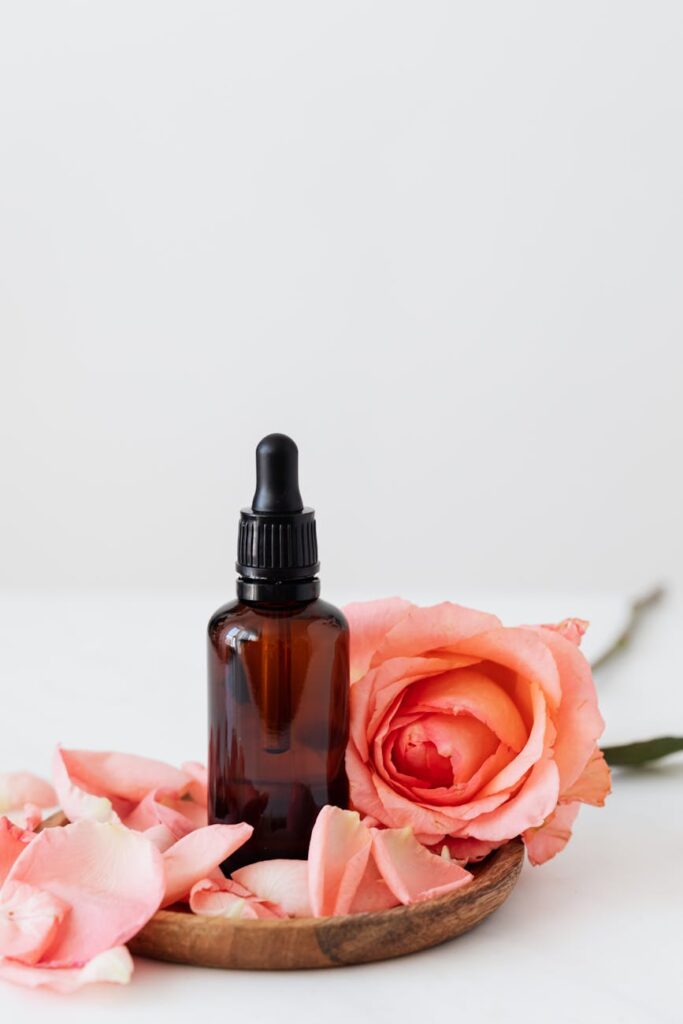
Aromatherapy Uses of DIY Aromatherapy Recipes for Self-Care with Rose Oil
Introduction
The practice of aromatherapy has gained significant traction in recent years as individuals seek holistic approaches to well-being. Central to this practice are essential oils, which are extracted from various plants and are valued for their therapeutic properties. Among these, rose oil, derived from the petals of the Rosa damascena or Rosa centifolia, stands out due to its captivating fragrance and myriad benefits. This article delves into the DIY aromatherapy recipes for self-care utilizing rose oil, exploring its properties, applications, and safety considerations.
What Is DIY Aromatherapy Recipes for Self-Care with Rose Oil?
DIY aromatherapy recipes involve creating personalized blends and applications of essential oils tailored to individual needs and preferences. Rose oil is particularly revered in these recipes for its luxurious scent and emotional benefits. It can be incorporated into various self-care routines, enhancing physical, emotional, and spiritual well-being. The versatility of rose oil allows it to be used in diffusers, bath preparations, massage oils, and skin care products, making it an essential component of a holistic self-care regimen.
Key Benefits and Properties
Rose oil is celebrated not only for its enchanting aroma but also for its numerous properties, which include:
1. Emotional Balance: Rose oil has been shown to evoke feelings of love, peace, and harmony. Its uplifting scent may help alleviate feelings of stress and anxiety, promoting emotional healing.
2. Skin Nourishment: The oil possesses moisturizing properties, making it ideal for dry or sensitive skin. It can help reduce redness and inflammation, aiding in the overall appearance of the skin.
3. Antioxidant Properties: Rich in antioxidants, rose oil helps combat free radicals, potentially contributing to skin rejuvenation and overall vitality.
4. Antimicrobial Effects: Some studies suggest that rose oil may have antimicrobial properties, making it useful in skincare formulations aimed at preventing infection.
5. Hormonal Balance: Rose oil is often used to support women’s health, particularly during menstrual cycles, due to its purported ability to balance hormones.
Common Uses
Rose oil can be utilized in a variety of self-care practices. Here are some common applications:
1. Aromatherapy Diffusion: Adding a few drops of rose oil to a diffuser can create a calming atmosphere, making it ideal for meditation or relaxation.
2. Bath Soaks: Incorporating rose oil into bath water can transform an ordinary bath into a luxurious experience, promoting relaxation and skin nourishment.
3. Massage Blends: Combining rose oil with a carrier oil for massage can enhance the therapeutic benefits of touch, fostering relaxation and emotional release.
4. Skin Care Products: Rose oil can be added to lotions, creams, and serums to enhance their moisturizing and soothing properties.
5. Perfumes: The fragrant qualities of rose oil make it a popular choice for natural perfumes, offering a gentle and sweet scent.
Aromatherapy Applications
DIY Recipes
Here are a few simple DIY aromatherapy recipes using rose oil:
1. Rose Oil Diffuser Blend
Ingredients:
- 5 drops of rose oil
- 3 drops of lavender oil
- 2 drops of bergamot oil
- 5 drops of rose oil
- 1 cup of Epsom salt
- 1 cup of baking soda
- Dried rose petals (optional)
- 10 drops of rose oil
- 2 tablespoons of carrier oil (e.g., sweet almond oil, jojoba oil)
- 5 drops of rose oil
- 1 cup of distilled water
- 1 tablespoon of witch hazel (optional)
Instructions:
1. Add the essential oils to your diffuser.
2. Fill the diffuser with water as per the manufacturer’s instructions.
3. Turn on the diffuser and enjoy the calming aroma.
2. Rose Oil Bath Soak
Ingredients:
Instructions:
1. Mix the Epsom salt and baking soda in a bowl.
2. Add the rose oil and stir well to combine.
3. If desired, add dried rose petals for an aesthetic touch.
4. Pour the mixture into the bath while the water is running.
3. Rose Oil Massage Oil
Ingredients:
Instructions:
1. Combine the rose oil and carrier oil in a small glass bottle.
2. Shake gently to mix.
3. Use as a massage oil, applying it to the skin in gentle circular motions.
4. Rose-Scented Facial Mist
Ingredients:
Instructions:
1. In a spray bottle, combine the distilled water and witch hazel.
2. Add the rose oil and shake well.
3. Use as a refreshing facial mist throughout the day.
Safety Considerations
While rose oil is generally considered safe for topical use when diluted, there are several safety considerations to keep in mind:
1. Dilution: Always dilute rose oil with a carrier oil before applying it to the skin to prevent irritation.
2. Patch Test: Conduct a patch test by applying a small amount of diluted rose oil to a discreet area of skin to check for any adverse reactions.
3. Pregnancy and Nursing: Pregnant or nursing individuals should consult a qualified healthcare professional before using essential oils, including rose oil.
4. Allergic Reactions: If you have a known allergy to roses or related plants, it is advisable to avoid rose oil.
5. Consultation: If you are taking medications or have underlying health conditions, consult with a qualified healthcare provider before using rose oil or any essential oils.
Storage and Shelf Life
To maintain the integrity of rose oil, proper storage is essential:
1. Dark Glass Bottles: Store rose oil in dark amber or cobalt blue glass bottles to protect it from light, which can degrade its quality.
2. Cool Environment: Keep the oil in a cool, dry place away from direct sunlight and heat sources.
3. Shelf Life: When stored correctly, rose oil can last for 1 to 3 years. However, it is advisable to check for any changes in aroma or consistency before use, as these may indicate spoilage.
Frequently Asked Questions
1. Can rose oil be used directly on the skin?
Rose oil should be diluted with a carrier oil before applying it directly to the skin to avoid irritation.
2. How can I enhance the effectiveness of rose oil in aromatherapy?
Combining rose oil with other complementary essential oils, such as lavender or bergamot, can enhance its therapeutic effects.
3. Is rose oil safe for children?
Rose oil can be used for children over the age of two when properly diluted in a carrier oil. However, it is best to consult a healthcare professional for guidance.
4. Can rose oil be ingested?
Ingesting essential oils is not generally recommended unless done under the supervision of a qualified healthcare professional. Rose oil is primarily used for topical and aromatic applications.
5. What are some other essential oils that pair well with rose oil?
Rose oil pairs well with various essential oils, including geranium, jasmine, sandalwood, and citrus oils like lemon and orange, creating harmonious blends for different purposes.
Conclusion
DIY aromatherapy recipes using rose oil offer a beautiful opportunity for self-care and emotional wellness. Its rich history, captivating scent, and versatile applications make it a treasured addition to any holistic health regimen. By understanding its benefits, proper uses, and safety considerations, individuals can effectively incorporate rose oil into their self-care routines, enhancing their overall well-being. Whether through calming diffusions, luxurious baths, or nourishing skin treatments, rose oil provides a sensory experience that promotes relaxation and emotional balance.