
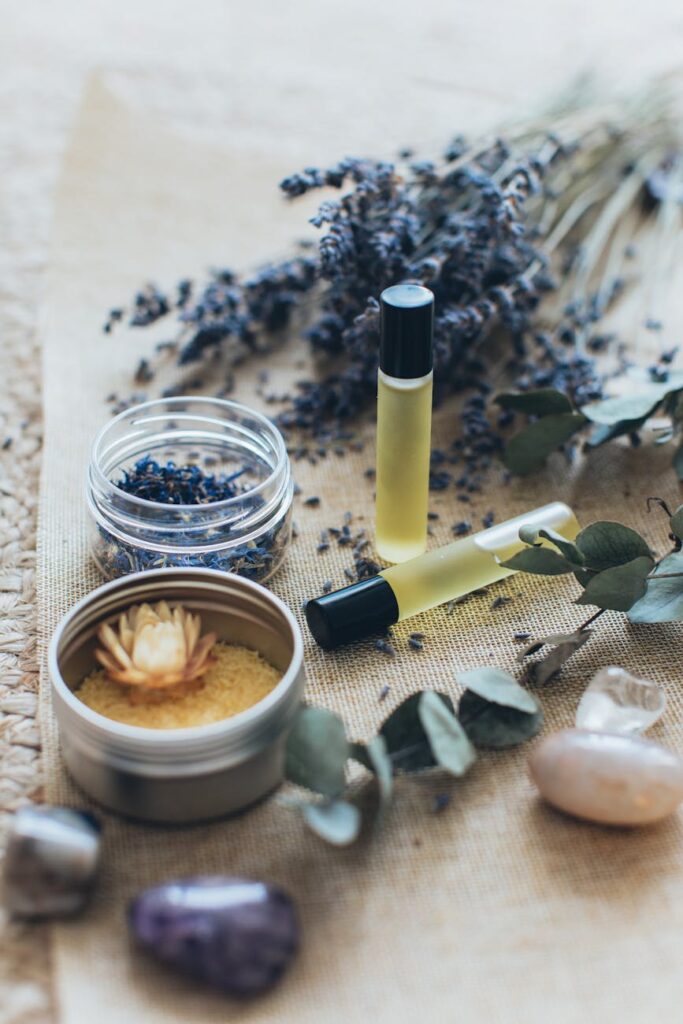
Aromatherapy Uses of DIY Aromatherapy Recipes for Skin Healing with Lavender Oil
Introduction
Aromatherapy, a holistic healing practice that utilizes the natural aromas of essential oils, has gained significant popularity in recent years. Among the plethora of essential oils available, lavender oil stands out due to its versatile applications and soothing properties. This article delves into the realm of DIY aromatherapy recipes focused on skin healing, particularly the use of lavender oil. We will explore what these recipes entail, their benefits, common uses, and safety considerations, providing a comprehensive guide for those interested in enhancing their wellness routines through natural means.
What Is DIY Aromatherapy Recipes for Skin Healing with Lavender Oil?
DIY aromatherapy recipes refer to homemade concoctions that incorporate essential oils and other natural ingredients designed to promote health and well-being. Lavender oil, derived from the flowers of the Lavandula angustifolia plant, is renowned for its calming scent and therapeutic benefits. When used in skin healing recipes, lavender oil can aid in addressing various skin concerns, such as dryness, irritation, and minor wounds.
Creating your own aromatherapy recipes allows for customization and personalization, ensuring that the formulations meet individual needs. Furthermore, the process of crafting these recipes can be meditative, enhancing the overall experience of self-care.
Key Benefits and Properties
Lavender oil boasts a myriad of beneficial properties that make it particularly effective for skin healing. Some of its key benefits include:
1. Antimicrobial Properties: Lavender oil has demonstrated antimicrobial effects, which can help prevent infections in minor cuts and abrasions.
2. Anti-inflammatory Effects: The oil is known to reduce inflammation, making it useful for soothing skin irritations and redness.
3. Calming and Relaxing: The scent of lavender is often associated with relaxation, which can help reduce stress and anxiety—factors that can exacerbate skin issues.
4. Moisturizing: Lavender oil can contribute to hydration, making it beneficial for dry or sensitive skin types.
5. Wound Healing: Some studies suggest that lavender oil may support the healing process of minor wounds and burns.
6. Balancing Oil Production: Lavender can help regulate sebum production, making it suitable for both oily and dry skin types.
Common Uses
Lavender oil is incredibly versatile and can be incorporated into various DIY recipes for skin healing. Some common uses include:
- Soothing balms: For irritated or inflamed skin
- Facial serums: To hydrate and balance skin tone
- Bath salts: For relaxation and skin nourishment
- Lotions and creams: To provide hydration and calm irritation
- 1/4 cup coconut oil
- 1/4 cup shea butter
- 10 drops lavender essential oil
- 5 drops tea tree oil (optional for additional healing properties)
- 2 tablespoons jojoba oil
- 1 tablespoon rosehip oil
- 5 drops lavender essential oil
- 1 cup Epsom salts
- 1/2 cup sea salt
- 10 drops lavender essential oil
- Dried lavender flowers (optional)
- 1/2 cup distilled water
- 10 drops lavender essential oil
- Dilution: Always dilute essential oils before applying them to the skin. A general rule of thumb is to use a 2% dilution for adults (approximately 12 drops of essential oil per ounce of carrier oil).
- Skin Sensitivity: Conduct a patch test before using any new recipe to check for adverse reactions. Apply a small amount of the diluted oil on a discreet area of skin and wait 24 hours to see if any irritation occurs.
- Pregnancy and Nursing: Pregnant or nursing individuals should consult with a healthcare professional before using lavender oil or any other essential oils.
- Children: Lavender oil is generally considered safe for children, but it should be diluted appropriately. Consult with a pediatrician for specific guidance.
- Allergies: Individuals with allergies to lavender or related plants should avoid using lavender oil.
- Containers: Use dark glass containers to protect the oils from light exposure, which can degrade their quality.
- Cool, Dry Places: Store your products in a cool, dry place, away from direct sunlight and heat sources.
- Shelf Life: Generally, most DIY aromatherapy products can last between 6 months to a year, depending on the ingredients used. Oils with a higher concentration of carrier oils may have a shorter shelf life, while products with preservatives may last longer.
These applications can be tailored to address specific skin concerns while harnessing the calming properties of lavender.
Aromatherapy Applications
Incorporating lavender oil into your skincare routine can be achieved through several simple DIY recipes. Below are a few examples:
1. Lavender Healing Balm
Ingredients:
Instructions:
1. In a double boiler, melt the coconut oil and shea butter together until fully combined.
2. Remove from heat and allow to cool slightly.
3. Add lavender and tea tree oil, mixing well.
4. Pour the mixture into a small jar and allow it to solidify at room temperature.
Use: Apply to minor cuts, scrapes, or irritated skin as needed.
2. Lavender Facial Serum
Ingredients:
Instructions:
1. Combine all ingredients in a small glass dropper bottle.
2. Shake gently to mix.
Use: Apply a few drops to clean skin, massaging gently to promote absorption.
3. Lavender Bath Salts
Ingredients:
Instructions:
1. Mix Epsom salts and sea salt in a bowl.
2. Add lavender oil and stir until well combined.
3. If desired, add dried lavender flowers for aesthetic appeal.
4. Store in an airtight container.
Use: Add a few tablespoons to warm bath water for a relaxing soak.
4. Lavender Hydrosol Spray
Ingredients:
Instructions:
1. Combine both ingredients in a spray bottle and shake well.
Use: Spray on the face or body for a refreshing and hydrating mist.
Safety Considerations
While lavender oil is generally considered safe for topical use, there are several key safety considerations to keep in mind:
Storage and Shelf Life
Proper storage of DIY aromatherapy products is crucial for maintaining their efficacy and safety. Here are some guidelines:
Frequently Asked Questions
1. Can I use lavender oil directly on my skin?
It is not recommended to apply essential oils directly to the skin without dilution. Always mix lavender oil with a carrier oil before use.
2. Is lavender oil safe for sensitive skin?
Lavender oil is often well-tolerated by sensitive skin, but a patch test is advisable to ensure no adverse reactions occur.
3. How often can I use lavender oil for skin healing?
You may apply lavender-infused products 1-2 times daily, depending on your skin’s needs and tolerance.
4. Can lavender oil help with acne?
Lavender oil can help balance oil production and has antimicrobial properties that may benefit acne-prone skin. However, individual results may vary.
5. Is it safe to use lavender oil during pregnancy?
Consult with a healthcare professional before using lavender oil or any essential oils while pregnant or nursing.
Conclusion
Lavender oil offers a wealth of benefits for skin healing and can be expertly incorporated into various DIY aromatherapy recipes. With its calming properties and versatile applications, lavender serves as an excellent addition to your holistic skincare routine. By crafting your own recipes, you not only create personalized skincare solutions but also engage in a self-care practice that enhances both mental and physical well-being. As with any natural remedy, understanding safe usage and proper preparation is key to reaping the full benefits of this cherished essential oil.