
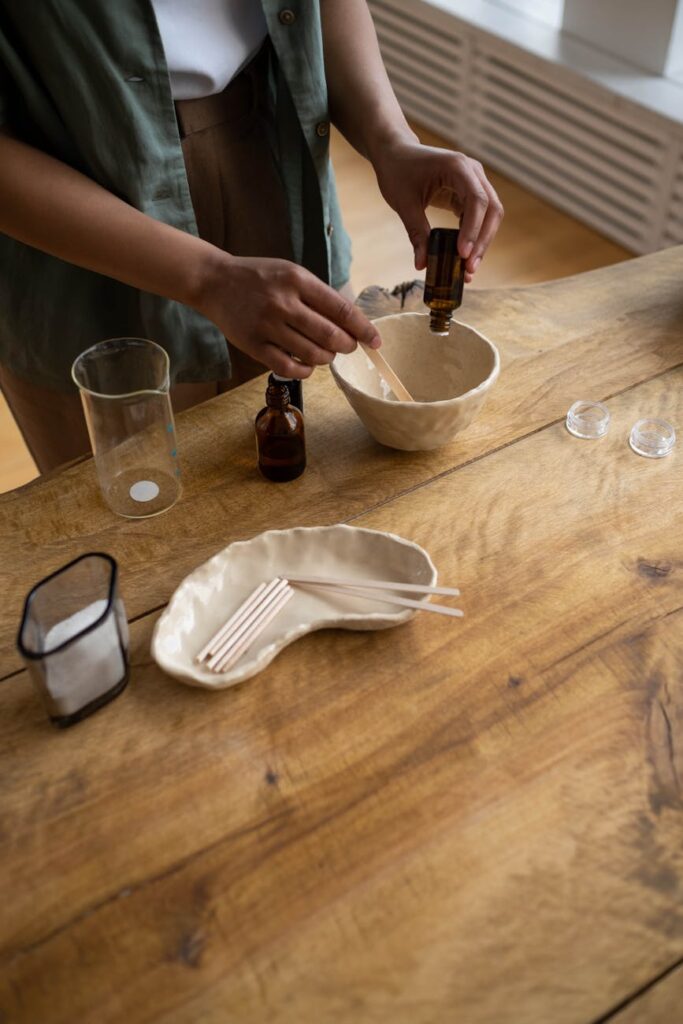
Aromatherapy Uses of DIY Aromatherapy Recipes for Skin Healing with Tea Tree Oil
Introduction
Aromatherapy, the practice of using essential oils extracted from plants for therapeutic purposes, has gained considerable popularity in recent years. One of the most versatile and well-known essential oils is tea tree oil (Melaleuca alternifolia), celebrated for its skin healing properties. This article will explore DIY aromatherapy recipes that utilize tea tree oil, providing insights into its benefits, common uses, applications, safety considerations, and storage guidelines.
What Is DIY Aromatherapy Recipes for Skin Healing with Tea Tree Oil?
DIY aromatherapy recipes involve the creation of personalized blends using essential oils, carrier oils, and other natural ingredients to address specific needs or preferences. When it comes to skin healing, tea tree oil is often incorporated due to its potent antimicrobial and anti-inflammatory properties. This oil is typically diluted with a carrier oil, such as jojoba or coconut oil, to ensure safe application on the skin.
Key Components of DIY Recipes
1. Essential Oils: Concentrated liquids containing volatile plant compounds.
2. Carrier Oils: Neutral oils used to dilute essential oils for safe topical use.
3. Other Ingredients: Ingredients like aloe vera gel, witch hazel, or shea butter can enhance the healing effects.
Key Benefits and Properties
Tea tree oil is renowned for its diverse range of properties that contribute to its effectiveness in skin healing:
1. Antimicrobial: Tea tree oil possesses strong antibacterial, antiviral, and antifungal properties, making it effective against various skin infections.
2. Anti-inflammatory: It can help reduce redness, swelling, and irritation, promoting a more even skin tone.
3. Healing: The oil supports skin regeneration, aiding in the healing of cuts, burns, and acne scars.
4. Balancing: Tea tree oil helps regulate sebum production, making it suitable for both oily and dry skin types.
These properties make tea tree oil a popular choice in DIY recipes aimed at treating various skin concerns.
Common Uses
Tea tree oil can be employed in various DIY aromatherapy recipes targeting common skin issues:
1. Acne Treatment: Its antimicrobial properties help to combat acne-causing bacteria.
2. Wound Healing: Tea tree oil can assist in the healing of minor cuts and abrasions.
3. Fungal Infections: It is often used to alleviate athlete’s foot and nail fungus.
4. Eczema and Psoriasis Relief: The anti-inflammatory properties can soothe irritated skin associated with these conditions.
5. Dandruff Treatment: Tea tree oil can be added to scalp treatments to combat dandruff and promote scalp health.
Aromatherapy Applications
Incorporating tea tree oil into DIY recipes can be done through various applications. Below are some popular methods:
1. Tea Tree Oil Face Wash
Ingredients:
- 1 cup of unscented liquid castile soap
- 10 drops of tea tree oil
- 1 tablespoon of jojoba oil
- 2 tablespoons of aloe vera gel
- 5 drops of tea tree oil
- 1 drop of lavender oil (optional)
- ½ cup of shea butter
- ¼ cup of coconut oil
- 10 drops of tea tree oil
- 5 drops of sweet orange oil (optional for fragrance)
- 1 cup of Epsom salt
- 10 drops of tea tree oil
- 5 drops of peppermint oil (optional)
Instructions:
1. Combine all ingredients in a clean bottle.
2. Shake well before each use.
3. Apply a small amount to a damp face, massage gently, and rinse thoroughly.
2. Tea Tree Oil Spot Treatment
Ingredients:
Instructions:
1. Mix the ingredients thoroughly in a small container.
2. Apply directly to blemishes using a cotton swab.
3. Leave on overnight for best results.
3. Tea Tree Oil Body Lotion
Ingredients:
Instructions:
1. Melt shea butter and coconut oil together in a double boiler.
2. Remove from heat and let cool slightly.
3. Stir in tea tree oil and sweet orange oil.
4. Pour into a jar and allow to solidify before use.
4. Tea Tree Oil Foot Soak
Ingredients:
Instructions:
1. Dissolve Epsom salt in a basin of warm water.
2. Add tea tree oil and peppermint oil.
3. Soak feet for 20-30 minutes to relieve discomfort and odor.
Safety Considerations
While tea tree oil is generally considered safe for topical use, some precautions are advised:
1. Dilution: Always dilute tea tree oil with a carrier oil before applying it to the skin to prevent irritation.
2. Patch Test: Conduct a patch test before using a new formulation to check for allergic reactions or sensitivities.
3. Pregnancy and Nursing: Pregnant or nursing individuals should consult with a healthcare professional before using essential oils.
4. Children: Use caution when applying essential oils to children, and always dilute appropriately.
Storage and Shelf Life
Proper storage of tea tree oil and DIY recipes is crucial to maintain their potency:
1. Storage: Keep essential oils and finished products in dark glass containers to protect them from light. Store in a cool, dry place, away from direct sunlight and heat sources.
2. Shelf Life: Tea tree oil typically has a shelf life of 1-2 years when stored correctly. DIY recipes may vary in shelf life based on the ingredients used. Check for any changes in color, smell, or consistency before use.
Frequently Asked Questions
1. Can I use tea tree oil undiluted?
It is not recommended to apply tea tree oil undiluted on the skin, as it can cause irritation or allergic reactions.
2. How often can I use tea tree oil for skin healing?
Usage frequency can vary based on individual skin types and sensitivities. Generally, applying tea tree oil-based formulations 1-2 times daily is advisable.
3. Is tea tree oil safe for all skin types?
While tea tree oil is generally safe for most skin types, individuals with sensitive skin or allergies should conduct a patch test before use.
4. Can tea tree oil be used for hair care?
Yes, tea tree oil can be beneficial for scalp health and dandruff treatment. Dilute it with a carrier oil or add it to shampoos for topical application.
5. What should I do if I experience irritation?
If irritation occurs, discontinue use immediately and consult with a healthcare professional if symptoms persist.
Conclusion
Tea tree oil is a powerful essential oil with a wide array of benefits for skin healing. By incorporating it into DIY aromatherapy recipes, individuals can create personalized solutions for various skin concerns. However, it is essential to observe safety precautions, conduct patch tests, and store oils properly to ensure effectiveness. As with any natural remedy, understanding the properties and potential effects of tea tree oil can enhance the benefits of your skincare routine.