
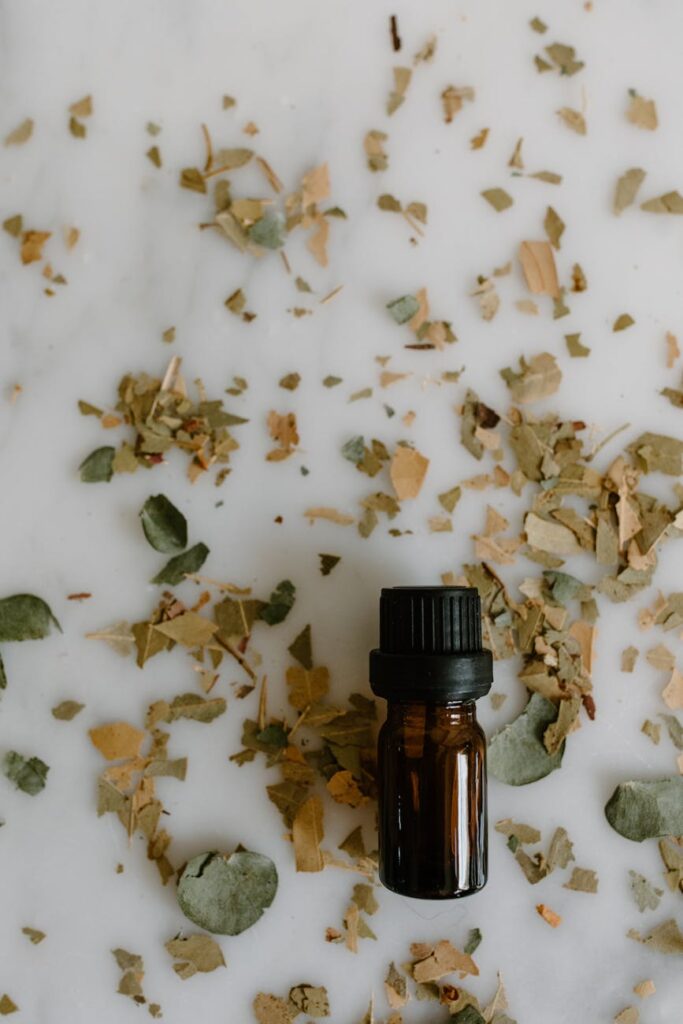
Aromatherapy Uses of DIY Aromatherapy Recipes for Sleep Enhancement
Introduction
Aromatherapy, the practice of using essential oils for therapeutic benefits, has gained popularity as a natural approach to enhancing well-being. Among its many applications, sleep enhancement is one of the most sought-after benefits. DIY aromatherapy recipes offer a customizable way to create blends tailored to individual preferences and needs. This article delves into the world of DIY aromatherapy recipes specifically for sleep enhancement, exploring the benefits, applications, safety considerations, and more.
What Is DIY Aromatherapy Recipes for Sleep Enhancement?
DIY aromatherapy recipes for sleep enhancement involve the use of essential oils—volatile compounds extracted from plants—combined in specific ways to promote relaxation and improve sleep quality. These recipes can be formulated into various mediums, including diffusers, sprays, roll-ons, or bath blends. By harnessing the aromatic properties of certain essential oils, individuals can create an environment conducive to restful sleep.
Key Benefits and Properties
Aromatherapy for sleep enhancement boasts several key benefits:
1. Promotes Relaxation
Certain essential oils, such as lavender and chamomile, are known for their calming effects. Inhalation of these oils can help lower stress levels and induce a sense of tranquility.
2. Improves Sleep Quality
Research suggests that specific essential oils can enhance sleep quality by reducing insomnia symptoms, making it easier to fall and stay asleep.
3. Enhances Mood
Aromatherapy can elevate mood and alleviate anxiety, which are often barriers to restful sleep. Oils like bergamot and ylang-ylang may help lift spirits and reduce feelings of tension.
4. Supports a Calm Environment
Incorporating essential oils into your nighttime routine can create a soothing atmosphere, signaling to the body that it is time to wind down.
5. Customizable
DIY recipes allow for personalization, enabling individuals to select oils and blends that resonate most with their preferences, enhancing the overall experience.
Common Uses
DIY aromatherapy recipes for sleep enhancement can be employed in various ways:
1. Diffusers
Aromatherapy diffusers disperse essential oils into the air, allowing for a gentle and continuous release of fragrance. This method is ideal for creating a relaxing environment before bedtime.
2. Sleep Sprays
Making a sleep spray by diluting essential oils in water and a carrier (like witch hazel) can provide a quick and easy way to refresh bedding and pillows with calming aromas.
3. Bath Blends
Incorporating essential oils into bath products can transform a nightly routine into a luxurious experience. Bath blends can be mixed with Epsom salts or carrier oils for added benefits.
4. Roll-On Blends
Roll-on applications allow for targeted use. A blend of soothing oils can be applied to pulse points, such as wrists and neck, promoting relaxation throughout the night.
5. Inhalers
Personal inhalers can be created by combining essential oils with a base material, providing a portable option for relaxation on-the-go.
Aromatherapy Applications
1. Essential Oil Suggestions
Several essential oils are particularly effective for sleep enhancement:
- Lavender (Lavandula angustifolia): Renowned for its calming properties, lavender is often the first choice for promoting relaxation.
- Chamomile (Matricaria chamomilla): Known for its soothing effects, chamomile can help ease tension and improve sleep.
- Bergamot (Citrus bergamia): This citrus oil can uplift mood while promoting relaxation.
- Cedarwood (Cedrus atlantica): Cedarwood has grounding properties that can assist in calming the nervous system.
- Ylang-Ylang (Cananga odorata): This floral oil is often used to reduce stress and anxiety.
- 1 cup distilled water
- 1 tablespoon witch hazel
- 10 drops lavender essential oil
- 5 drops chamomile essential oil
- 2 cups Epsom salts
- 10 drops lavender essential oil
- 5 drops cedarwood essential oil
- 10 ml carrier oil (like sweet almond or jojoba)
- 5 drops lavender essential oil
- 3 drops bergamot essential oil
- 2 drops ylang-ylang essential oil
2. Sample DIY Recipes
Calming Sleep Spray
Ingredients:
Instructions:
1. Mix the ingredients in a spray bottle.
2. Shake well before use.
3. Spray onto pillows and linens before bedtime.
Relaxing Bath Blend
Ingredients:
Instructions:
1. Combine ingredients in a bowl.
2. Add to warm bath water and soak for at least 20 minutes.
Soothing Roll-On Blend
Ingredients:
Instructions:
1. Fill a roll-on bottle with carrier oil.
2. Add the essential oils.
3. Roll onto pulse points before bedtime.
Safety Considerations
When using essential oils, it is crucial to consider safety precautions:
1. Dilution
Essential oils are potent and should be diluted in a carrier oil or another medium before application to the skin.
2. Avoid Certain Oils
Some essential oils may not be suitable for certain individuals, such as pregnant or breastfeeding women, children, or those with specific health conditions. It is advisable to perform patch tests before widespread use.
3. Consultation
While this article does not provide medical advice, individuals with specific health concerns should consult a qualified professional before incorporating essential oils into their routines.
4. Storage
Keep essential oils and DIY blends out of reach of children and pets. Ensure they are stored in a cool, dark place to maintain their integrity.
Storage and Shelf Life
Proper storage is essential for maintaining the efficacy of essential oils and DIY blends. Here are some tips:
1. Containers
Use dark glass containers to protect essential oils from light, which can degrade their quality.
2. Cool Environment
Store oils in a cool, dry place, away from direct sunlight and heat sources.
3. Shelf Life
While essential oils have varying shelf lives, most can last between 1 to 3 years when stored properly. DIY blends may have shorter shelf lives depending on the ingredients used. It’s advisable to label containers with the date of creation.
Frequently Asked Questions
1. Can I mix different essential oils?
Yes, blending different essential oils can create unique aromas and synergistic effects. Experimenting with combinations may yield personalized results.
2. How do I know which essential oils to use?
Consider your personal preferences and any specific issues you wish to address. Research the properties of various oils to find those that resonate with your needs.
3. How often can I use DIY sleep recipes?
These recipes can be used nightly as part of a calming bedtime routine. Listen to your body, and adjust usage as needed.
4. Are there any side effects?
While generally safe when used correctly, some individuals may experience skin irritation or allergic reactions. Always perform a patch test before widespread application.
5. Can I use essential oils in a diffuser?
Yes, diffusers are an excellent way to disperse essential oils into the air, creating a soothing environment conducive to sleep.
Conclusion
DIY aromatherapy recipes for sleep enhancement offer a natural and customizable approach to improving sleep quality and promoting relaxation. By understanding the properties of various essential oils and how to use them effectively, individuals can create personal blends that suit their unique preferences and needs. As with any wellness practice, it is essential to approach aromatherapy with mindfulness and awareness, ensuring a safe and enjoyable experience.