
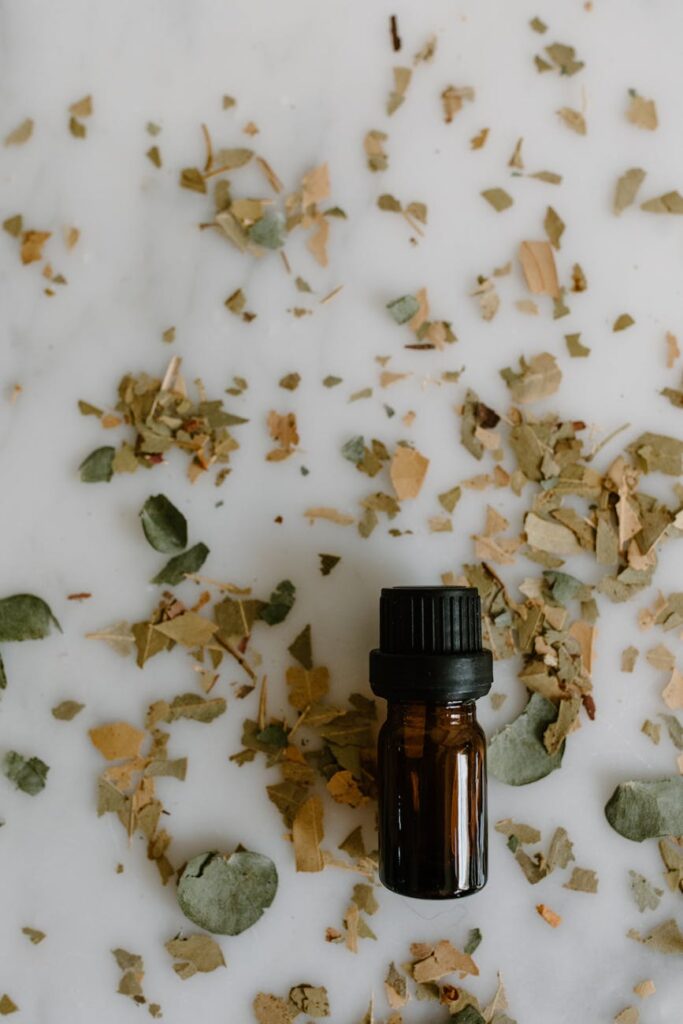
Aromatherapy Uses of DIY Aromatherapy Recipes for Sleep Support with Marjoram Oil
Introduction
In an age where stress and sleeplessness are increasingly common, many individuals are turning to natural remedies for support. Aromatherapy, which utilizes the therapeutic properties of essential oils, has gained popularity as a holistic approach to enhancing well-being. Among the myriad of essential oils available, marjoram oil stands out for its calming effects. This article explores the DIY aromatherapy recipes for sleep support using marjoram oil, detailing its benefits, common applications, and safety considerations.
What Is DIY Aromatherapy Recipes for Sleep Support with Marjoram Oil?
DIY aromatherapy recipes involve the creation of personalized blends using essential oils to address specific needs, such as promoting restful sleep. Marjoram oil, derived from the leaves of the Origanum majorana plant, is known for its soothing properties. When combined with various carrier oils or other essential oils, it can enhance the overall efficacy of a sleep-supporting blend.
Creating your own aromatherapy recipes allows for customization, enabling individuals to tailor mixtures based on personal preferences and specific needs. The following sections will delve into the key benefits of marjoram oil for sleep support, common uses, and practical applications.
Key Benefits and Properties
Marjoram oil boasts a variety of beneficial properties that make it an excellent choice for sleep support:
1. Sedative Effects: Marjoram oil has natural sedative properties that can help calm the mind and body, making it easier to fall asleep.
2. Muscle Relaxant: The oil is known for its ability to relax muscles, which can alleviate tension and discomfort that may interfere with sleep.
3. Anxiolytic Properties: Marjoram oil may help reduce anxiety and stress, further promoting a sense of calm.
4. Antioxidant Effects: The oil contains compounds that provide antioxidant benefits, protecting cells from oxidative stress.
5. Digestive Support: Marjoram oil can aid digestion, which may be beneficial for those whose sleep is disrupted by digestive issues.
These properties make marjoram oil a valuable ingredient in DIY aromatherapy recipes aimed at enhancing sleep quality.
Common Uses
Marjoram oil can be incorporated into various DIY aromatherapy recipes for sleep support, including:
1. Diffuser Blends: Adding marjoram oil to an essential oil diffuser can create a calming atmosphere conducive to sleep.
2. Massage Oils: When diluted with a carrier oil, marjoram oil can be used for a relaxing massage before bedtime.
3. Bath Soaks: Including marjoram oil in a warm bath can provide a soothing experience, preparing the body for rest.
4. Sleep Pillows: A few drops of marjoram oil can be added to a cotton ball placed inside a sleep pillow for a gentle release of aroma throughout the night.
5. Inhalation: Inhaling the scent directly from the bottle or from a tissue can provide immediate calming effects.
Aromatherapy Applications
Creating DIY aromatherapy recipes with marjoram oil can be straightforward and enjoyable. Here are several recipes to consider:
1. Calming Sleep Blend for Diffuser
Ingredients:
- 4 drops of marjoram oil
- 3 drops of lavender oil
- 2 drops of chamomile oil
- 2 tablespoons of sweet almond oil (or another carrier oil)
- 3 drops of marjoram oil
- 2 drops of ylang-ylang oil
- 1 cup of Epsom salts
- 5 drops of marjoram oil
- 5 drops of lavender oil
- 1 small cotton ball
- 2 drops of marjoram oil
- 1 drop of marjoram oil
Instructions:
1. Add the essential oils to your diffuser.
2. Fill with water according to the manufacturer’s instructions.
3. Turn on the diffuser 30 minutes before bedtime to create a relaxing environment.
2. Relaxing Massage Oil
Ingredients:
Instructions:
1. In a small glass bottle, combine the carrier oil with the essential oils.
2. Shake gently to mix.
3. Massage onto the neck, shoulders, and back before bed.
3. Soothing Bath Soak
Ingredients:
Instructions:
1. In a bowl, mix the Epsom salts with the essential oils.
2. Add the mixture to a warm bath and soak for 20 minutes before bedtime.
4. Sleep Pillow Sachet
Ingredients:
Instructions:
1. Place the cotton ball in a small sachet or directly inside your pillow.
2. Refresh the scent weekly by adding more marjoram oil.
5. Inhalation Method
Ingredients:
Instructions:
1. Place a drop of marjoram oil on a tissue or cotton pad.
2. Inhale deeply for a few moments to promote relaxation.
Safety Considerations
While marjoram oil is generally regarded as safe, there are essential safety considerations to keep in mind:
1. Dilution: Always dilute marjoram oil with a carrier oil before applying it to the skin to prevent irritation.
2. Skin Sensitivity: Conduct a patch test by applying diluted oil to a small area of skin to check for any adverse reactions.
3. Pregnancy and Nursing: Pregnant or nursing individuals should consult with a healthcare professional before using essential oils.
4. Medical Conditions: If you have underlying health conditions or are taking medications, consult with a healthcare provider before using essential oils.
5. Children: Use caution when using essential oils around children. It is advisable to consult a healthcare professional for appropriate usage guidelines.
Storage and Shelf Life
To maintain the integrity of marjoram oil and other essential oils, proper storage is vital:
1. Dark Glass Containers: Store essential oils in dark glass bottles to protect them from light, which can degrade the oil.
2. Cool, Dry Place: Keep oils away from heat sources and direct sunlight. A cool, dry cabinet is ideal.
3. Seal Tightly: Ensure that the bottles are tightly sealed to prevent oxidation.
4. Shelf Life: Most essential oils have a shelf life of 1 to 3 years, depending on the type and storage conditions. Always check for any changes in smell or consistency before use.
Frequently Asked Questions
1. Can marjoram oil be used by everyone?
While marjoram oil is generally safe, certain individuals, such as pregnant women, nursing mothers, and those with specific health conditions, should consult a healthcare provider before use.
2. How can I determine the quality of marjoram oil?
When purchasing marjoram oil, look for oils that are labeled as 100% pure and are sourced from reputable suppliers. Consider checking for certifications, such as organic or therapeutic grade.
3. Is marjoram oil safe for children?
While marjoram oil can be used around children, it is crucial to dilute it properly and consult with a healthcare provider for age-appropriate guidelines.
4. How often can I use marjoram oil for sleep support?
Marjoram oil can be used nightly as part of a bedtime routine. However, it is essential to vary the recipes to prevent olfactory fatigue.
5. Can I mix marjoram oil with other essential oils?
Yes, marjoram oil blends well with various essential oils, including lavender, chamomile, and bergamot, enhancing its calming effects.
In conclusion, DIY aromatherapy recipes utilizing marjoram oil can provide a natural and effective way to support sleep. Understanding its properties, applications, and safety considerations empowers individuals to create personalized blends that promote restful nights. Embracing the art of aromatherapy can lead to enhanced well-being and improved sleep quality.