
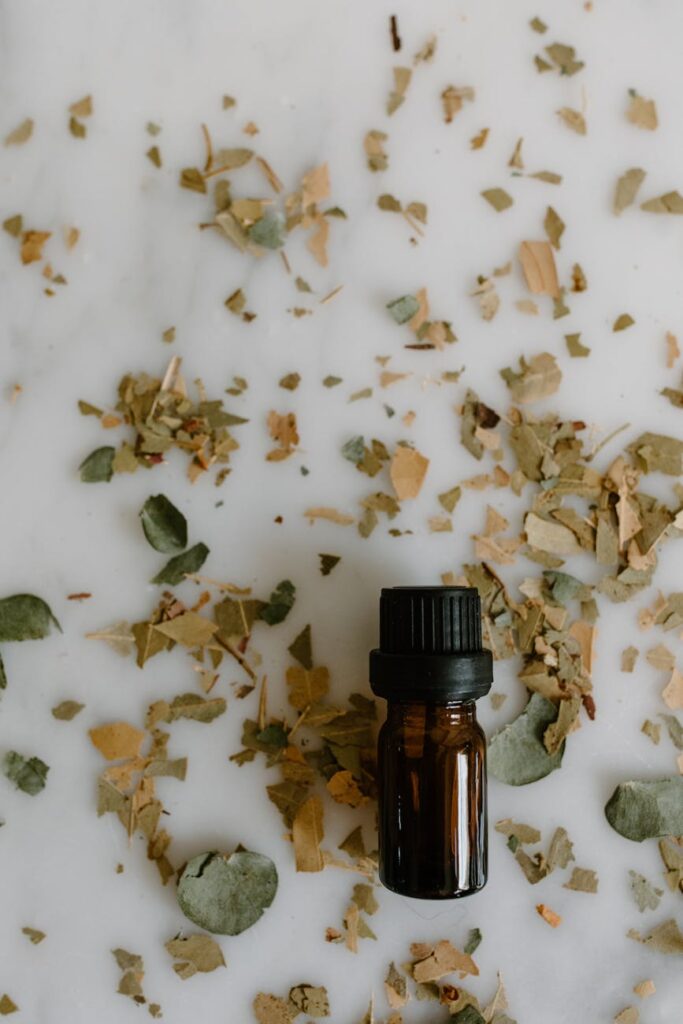
Aromatherapy Uses of DIY Aromatherapy Recipes for Sleep Support with Neroli Oil
Introduction
In recent years, the popularity of essential oils and aromatherapy has surged as more people seek natural solutions for everyday challenges. Among these, sleep disturbances have become increasingly common, prompting individuals to explore various remedies. One such remedy is neroli oil, extracted from the blossoms of the bitter orange tree (Citrus aurantium). This article delves into the aromatic world of DIY aromatherapy recipes using neroli oil for sleep support.
What Is DIY Aromatherapy Recipes for Sleep Support with Neroli Oil?
DIY aromatherapy recipes encompass a range of methods for creating personalized blends of essential oils to address specific needs—such as enhancing sleep quality. Neroli oil, known for its sweet, floral scent, is renowned for its calming properties. By combining neroli with other complementary essential oils or carrier oils, individuals can craft custom blends tailored to their unique preferences and sleep challenges.
Key Benefits and Properties
Neroli oil is celebrated for its numerous properties that promote tranquility and relaxation. Some key benefits include:
- Anxiolytic Effects: Neroli oil may help reduce feelings of anxiety, promoting a sense of calm and relaxation.
- Mood Enhancer: The uplifting scent can improve mood and emotional well-being, creating a conducive atmosphere for restful sleep.
- Antidepressant Qualities: Its ability to alleviate feelings of sadness or despair can contribute to a more peaceful state of mind before bedtime.
- Muscle Relaxation: Neroli may help ease muscle tension, which can be particularly beneficial for those who struggle to unwind after a long day.
- Diffusion: Adding neroli oil to a diffuser can fill a room with its soothing aroma, creating a peaceful environment conducive to sleep.
- Topical Application: Blending neroli oil with a carrier oil allows for safe topical use, which can be applied to pulse points or massaged onto the skin.
- Bath Additive: Incorporating neroli oil into a warm bath can enhance relaxation and prepare the body for sleep.
- 10 drops of neroli oil
- 5 drops of lavender oil
- 2 tablespoons of distilled water
- 1 tablespoon of witch hazel or vodka (as a preservative)
- A small spray bottle
- 2 tablespoons of coconut oil (carrier oil)
- 5 drops of neroli oil
- 5 drops of chamomile oil
- Small glass jar
- 5 drops of neroli oil
- 5 drops of ylang-ylang oil
- 1 cup of Epsom salts
- A small bowl
- Dilution: Always dilute neroli oil with a carrier oil before applying it to the skin to avoid irritation. A typical dilution ratio is 2-3% for topical applications.
- Patch Test: Conduct a patch test on a small area of skin to check for any allergic reactions or sensitivities prior to broader use.
- Pregnancy and Nursing: Pregnant or nursing individuals should consult a healthcare provider before using essential oils.
- Children: Essential oils should be used cautiously around children. Always consult a pediatrician for guidance on safe usage.
- Storage: Store neroli oil in a cool, dark place, preferably in a glass bottle that is tightly sealed. Avoid exposure to light and heat, as these can degrade the oil’s properties.
- Shelf Life: Generally, neroli oil can last for 1-2 years when stored correctly. However, always check for changes in scent or appearance before use, as these may indicate that the oil has expired.
Common Uses
Neroli oil can be integrated into various sleep-supportive practices, including:
Aromatherapy Applications
DIY Neroli Sleep Mist
Ingredients:
Instructions:
1. In a clean spray bottle, combine the distilled water and witch hazel or vodka.
2. Add the neroli and lavender oils.
3. Shake gently to mix.
4. Spray lightly in the air or on your pillow before bedtime.
Neroli and Chamomile Sleep Balm
Ingredients:
Instructions:
1. In a small glass jar, melt the coconut oil if solid.
2. Add neroli and chamomile oils to the melted coconut oil.
3. Stir well until fully mixed.
4. Allow the balm to cool and solidify. Apply to wrists or behind the ears before sleep.
Neroli Infused Sleep Bath
Ingredients:
Instructions:
1. In a small bowl, mix the Epsom salts with neroli and ylang-ylang oils.
2. Add the mixture to a warm bath.
3. Soak for at least 20 minutes to enjoy the relaxing benefits.
Safety Considerations
While neroli oil is generally considered safe for most individuals, it is essential to consider the following safety precautions:
Storage and Shelf Life
To maintain the quality of neroli oil and your DIY recipes, proper storage is crucial:
Frequently Asked Questions
Can neroli oil be used in a diffuser?
Yes, neroli oil can be used in a diffuser. It blends well with other calming oils like lavender and chamomile, making it an excellent choice for creating a serene atmosphere.
How often can I use neroli oil for sleep support?
Neroli oil can be used nightly as part of your bedtime routine. However, it’s essential to listen to your body and adjust the frequency of use as needed.
Is neroli oil safe for children?
Neroli oil should be used cautiously around children. Always consult with a healthcare provider or a qualified aromatherapist before using essential oils on or around children.
Can I mix neroli oil with other essential oils?
Yes, neroli oil blends well with various other essential oils, including lavender, chamomile, ylang-ylang, and bergamot. Experiment with different combinations to find what works best for you.
What should I do if I experience irritation from neroli oil?
If you experience irritation or an allergic reaction, discontinue use immediately. Rinse the area with a carrier oil (like coconut or olive oil) to help alleviate discomfort. If symptoms persist, consult a healthcare professional.
Conclusion
Neroli oil offers a wide array of benefits that can support a restful night’s sleep when incorporated into DIY aromatherapy recipes. Whether through diffusion, topical application, or bath infusions, this sweet, floral essential oil can help create a calming environment conducive to relaxation. By understanding the properties, common applications, and safety considerations associated with neroli oil, individuals can harness its potential to enhance their sleep experience naturally.