
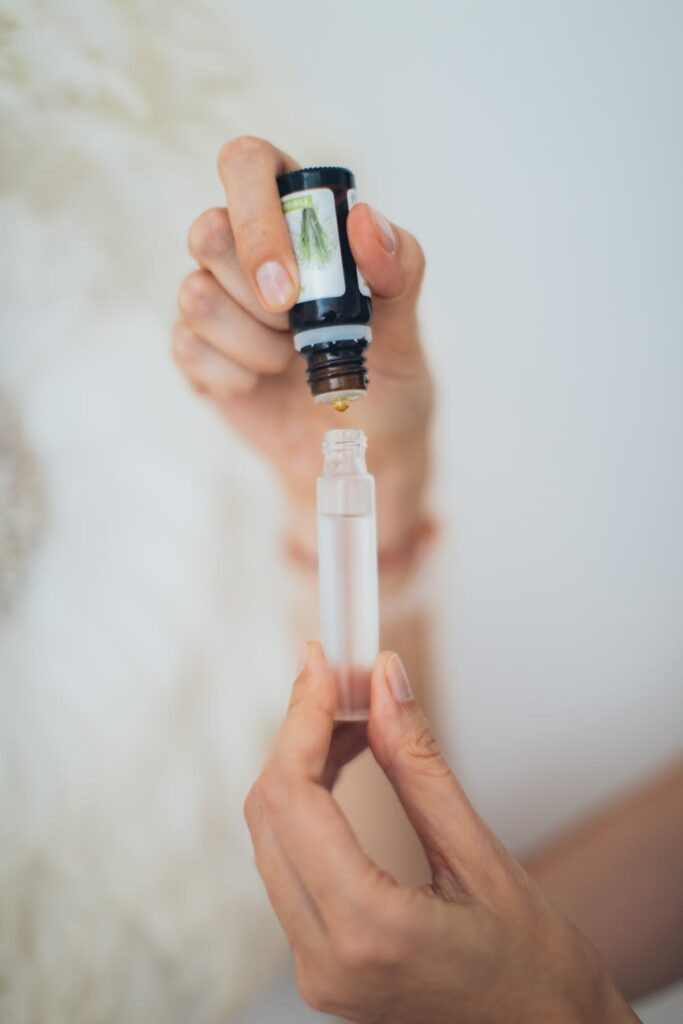
Aromatherapy Uses of DIY Aromatherapy Recipes for Stress Relief with Vetiver Oil
Introduction
In recent years, the quest for natural remedies to alleviate stress has led many individuals to explore the world of aromatherapy. Among the plethora of essential oils available, vetiver oil has gained recognition for its calming properties. This article delves into the DIY aromatherapy recipes using vetiver oil specifically tailored for stress relief, detailing its benefits, common applications, and safety considerations.
What Is DIY Aromatherapy Recipes for Stress Relief with Vetiver Oil?
DIY aromatherapy recipes are personalized formulations that utilize essential oils to create blends aimed at addressing various emotional and physical states. Vetiver oil, derived from the roots of the vetiver plant (Vetiveria zizanoides), is known for its rich, earthy scent and grounding effects. When incorporated into DIY recipes, vetiver oil can enhance relaxation and promote a sense of well-being, making it an ideal choice for stress relief.
Key Benefits and Properties
Vetiver oil possesses several properties that contribute to its effectiveness in stress relief, including:
1. Calming Effects: The oil is renowned for its ability to calm the mind and reduce anxiety. Its grounding scent helps to anchor emotions and promote mental clarity.
2. Anti-inflammatory Properties: Vetiver oil may help reduce physical discomfort associated with stress, such as tension headaches or muscle tightness.
3. Mood Enhancer: The oil is believed to uplift the spirit and improve overall mood, making it a valuable tool in managing stress and emotional unrest.
4. Sleep Aid: The soothing aroma of vetiver oil can promote deeper, more restful sleep, which is often disrupted by stress.
5. Antioxidant Qualities: Vetiver oil may help combat oxidative stress in the body, supporting overall health and well-being.
Common Uses
Vetiver oil can be utilized in various forms, making it a versatile addition to DIY aromatherapy recipes. Common applications include:
- Diffusion: Adding vetiver oil to a diffuser allows the aroma to permeate the air, creating a calming environment.
- Topical Applications: Blending vetiver oil with a carrier oil for massage can provide both emotional relief and physical relaxation.
- Bath Additives: Incorporating vetiver oil into bath products can enhance the bathing experience and provide a soothing atmosphere.
- Inhalation: Direct inhalation of vetiver oil can offer immediate calming effects, especially during moments of acute stress.
- 5 drops vetiver oil
- 3 drops lavender oil
- 2 drops bergamot oil
- Water (according to diffuser instructions)
- 10 ml roller bottle
- 8 drops vetiver oil
- 8 drops sweet orange oil
- 8 drops frankincense oil
- Carrier oil (such as jojoba or fractionated coconut oil)
- 5 drops vetiver oil
- 5 drops lavender oil
- 1 cup Epsom salts
- 1 drop vetiver oil
- 1 drop chamomile oil
- Cotton ball or tissue
- Dilution: Always dilute essential oils with a carrier oil before applying topically to avoid skin irritation.
- Patch Test: Conduct a patch test on a small area of skin to check for allergic reactions.
- Pregnancy and Nursing: Pregnant or nursing individuals should consult a healthcare professional before using essential oils.
- Children: Use caution when applying essential oils around children. It is advisable to consult with a qualified aromatherapist for age-appropriate uses.
- Medical Conditions: Those with pre-existing medical conditions should seek advice from a healthcare professional before using essential oils.
- Containers: Store vetiver oil in dark glass bottles to protect it from light, which can degrade its properties.
- Temperature: Keep the oil in a cool, dry place away from direct sunlight and heat sources.
- Shelf Life: When stored correctly, vetiver oil can last for several years. However, it is advisable to check for changes in aroma or consistency, which can indicate that the oil has gone rancid.
Aromatherapy Applications
1. Calming Diffuser Blend
Ingredients:
Instructions:
1. Fill the diffuser with water as directed.
2. Add the essential oils.
3. Turn on the diffuser and enjoy the calming atmosphere.
2. Stress-Relief Roll-On
Ingredients:
Instructions:
1. Fill the roller bottle with the carrier oil, leaving some space at the top.
2. Add the essential oils.
3. Cap the bottle and shake gently to mix.
4. Apply to pulse points as needed.
3. Soothing Bath Blend
Ingredients:
Instructions:
1. In a small bowl, combine the essential oils with Epsom salts.
2. Add the mixture to a warm bath.
3. Soak for at least 20 minutes to fully absorb the calming benefits.
4. Inhalation Method
Ingredients:
Instructions:
1. Place the cotton ball or tissue in a small bowl.
2. Add the essential oils.
3. Inhale deeply from the cotton ball or tissue whenever stress arises.
Safety Considerations
While vetiver oil is generally regarded as safe for most individuals, it is essential to follow certain precautions:
Storage and Shelf Life
Proper storage is crucial to maintaining the quality and potency of vetiver oil:
Frequently Asked Questions
1. Can vetiver oil be used in skincare products?
Vetiver oil can be added to skincare formulations, but it is essential to dilute it appropriately and perform a patch test beforehand.
2. How does vetiver oil compare to other calming oils?
Vetiver oil is unique for its earthy, grounding aroma, which may be more effective for some individuals compared to lighter, more floral oils like lavender.
3. Is vetiver oil safe for pets?
Many essential oils, including vetiver, can be harmful to pets, particularly cats and dogs. It is best to consult a veterinarian before using essential oils in a household with pets.
4. Can I use vetiver oil in a bath without any other additives?
While you can add vetiver oil directly to a bath, it is recommended to dilute it in a carrier oil or mix it with Epsom salts for better dispersion and to avoid skin irritation.
5. How often can I use vetiver oil for stress relief?
The frequency of use can vary based on individual preference and response. Many individuals find that using it as needed, whether in a diffuser or topical application, works best for them.
Conclusion
Vetiver oil serves as a powerful ally in the realm of stress relief through DIY aromatherapy recipes. Its unique properties and versatile applications make it a valuable addition to any natural wellness toolkit. By understanding its benefits, uses, and safety considerations, individuals can effectively harness the calming power of vetiver oil to navigate the challenges of daily life. Whether through diffusion, topical application, or soothing baths, incorporating vetiver oil into self-care routines may contribute significantly to emotional well-being and relaxation.