
Aromatherapy Uses of DIY Aromatherapy Recipes for Stress Relief
Introduction
In today’s fast-paced world, stress has become an omnipresent part of everyday life. People are increasingly seeking holistic remedies to alleviate anxiety and promote relaxation. Aromatherapy, the practice of using essential oils derived from plants, offers a natural approach to stress relief. This article explores DIY aromatherapy recipes tailored for stress relief, emphasizing their uses, benefits, and safe application.
What Is DIY Aromatherapy Recipes for Stress Relief?
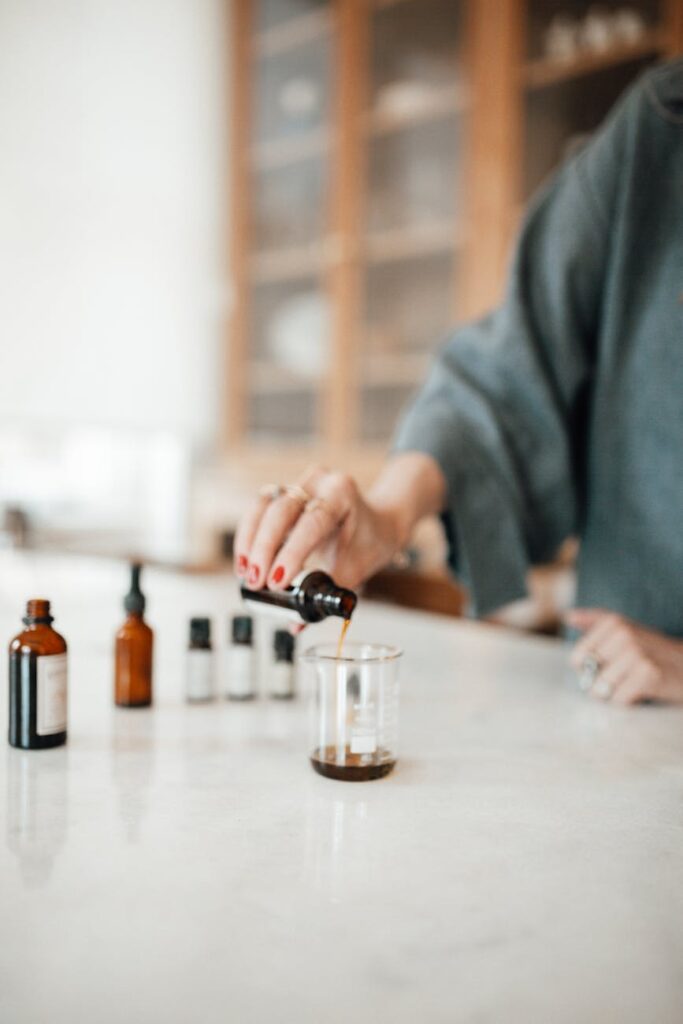
DIY aromatherapy recipes involve the blending of essential oils with carrier oils or other bases to create personalized formulations. These recipes can be tailored to individual preferences and needs, making them an appealing option for those looking to alleviate stress in a customized manner. Essential oils are extracted from various parts of plants, including leaves, flowers, roots, and bark, and each oil possesses unique properties that can influence mood and well-being.
Key Benefits and Properties
The essential oils used in aromatherapy are known for their therapeutic properties. Here are some key benefits associated with commonly used essential oils for stress relief:
1. Lavender (Lavandula angustifolia): Renowned for its calming effects, lavender oil is often used to reduce anxiety, promote relaxation, and improve sleep quality.
2. Bergamot (Citrus bergamia): This citrus oil is known for its uplifting properties. It can help alleviate feelings of stress and enhance mood.
3. Chamomile (Matricaria chamomilla): Chamomile oil has soothing qualities that can help reduce tension and promote a sense of tranquility.
4. Frankincense (Boswellia carterii): Often associated with meditation and spiritual practices, frankincense can help ground emotions and reduce feelings of anxiousness.
5. Ylang Ylang (Cananga odorata): This floral oil is known for its ability to balance emotions and promote feelings of joy and relaxation.
Common Uses
DIY aromatherapy recipes for stress relief can be used in various ways:
- Diffusion: Adding essential oils to a diffuser allows the oils to disperse into the air, creating a calming atmosphere in a room.
- Massage: Blending essential oils with carrier oils (such as sweet almond or jojoba oil) can be used for a calming massage, helping to release physical tension.
- Bath: Incorporating essential oils into bathwater can create a serene environment, enhancing relaxation during a warm soak.
- Inhalation: Direct inhalation of essential oils from the bottle or by using a cotton ball can provide immediate stress-relief benefits.
- Sprays: Creating a room or body spray with essential oils can help refresh the space and promote a calming ambiance.
- 1 cup Epsom salts
- 10 drops lavender essential oil
- 5 drops chamomile essential oil
- 4 drops bergamot essential oil
- 3 drops sweet orange essential oil
- 2 drops ylang ylang essential oil
- 2 tablespoons carrier oil (e.g., sweet almond or jojoba oil)
- 5 drops lavender essential oil
- 5 drops frankincense essential oil
- 15 drops lavender essential oil
- 10 drops bergamot essential oil
- 1 cup distilled water
- 10 drops chamomile essential oil
- 5 drops lavender essential oil
- Dilution: Always dilute essential oils with a carrier oil before applying them to the skin to avoid irritation.
- Patch Test: Conduct a patch test on a small area of skin before using a new essential oil to check for allergic reactions.
- Pregnancy and Nursing: Consult with a healthcare professional before using essential oils during pregnancy or while nursing.
- Children and Pets: Some essential oils are not suitable for children or pets. Always research the safety of oils before use around them.
- Avoid Ingestion: Essential oils should not be ingested unless specifically advised by a qualified professional.
- Cool, Dark Place: Store essential oils in a cool, dark place away from direct sunlight and heat.
- Tightly Sealed: Ensure that bottles are tightly sealed to prevent oxidation.
- Shelf Life: Essential oils have varying shelf lives, typically ranging from 1 to 5 years. Citrus oils tend to have shorter shelf lives, while oils like sandalwood can last longer.
Aromatherapy Applications
DIY Recipes for Stress Relief
Here are some simple DIY recipes that can be easily implemented at home:
1. Calming Lavender Bath Oil
Ingredients:
Instructions:
1. In a bowl, mix the Epsom salts with the essential oils.
2. Stir well to ensure even distribution.
3. Add to warm bathwater and soak for at least 20 minutes.
2. Uplifting Citrus Diffuser Blend
Ingredients:
Instructions:
1. Combine the essential oils in a diffuser.
2. Fill the diffuser with water according to the manufacturer’s instructions.
3. Turn on the diffuser and enjoy the uplifting aroma.
3. Stress Relief Massage Oil
Ingredients:
Instructions:
1. Blend the carrier oil with the essential oils in a small bottle.
2. Shake well before each use.
3. Apply to the skin during a massage, focusing on tense areas.
4. Anxiety-Reducing Inhaler
Ingredients:
Instructions:
1. Add the essential oils to an inhaler vial.
2. Inhale as needed for immediate stress relief.
5. Calming Room Spray
Ingredients:
Instructions:
1. Combine the essential oils and distilled water in a spray bottle.
2. Shake well before each use and spritz in the air or on linens.
Safety Considerations
While essential oils can be beneficial, it is important to approach their use with caution. Here are some safety considerations:
Storage and Shelf Life
To maintain the potency and effectiveness of essential oils, proper storage is essential:
Frequently Asked Questions
Q1: Can I use essential oils in cooking or food preparation?
A1: Essential oils are highly concentrated and should not be ingested unless specified as food-grade and approved by a qualified professional.
Q2: How often should I use DIY aromatherapy recipes for stress relief?
A2: The frequency of use can vary depending on individual preference. It is advisable to use them as needed for stress relief or during times of heightened anxiety.
Q3: Are there any essential oils I should avoid for stress relief?
A3: Certain oils may not be suitable for everyone. It’s important to research individual oils and consult with a knowledgeable source if you have specific conditions or concerns.
Q4: Can I blend different essential oils?
A4: Yes, blending essential oils can create unique aromas and enhance therapeutic benefits. However, it is recommended to research which oils complement each other.
Q5: How do I know which essential oils are right for me?
A5: Experimentation is often the best way to discover which essential oils resonate with you. Consider keeping a journal to track your experiences with different oils.
Conclusion
DIY aromatherapy recipes for stress relief present a natural and customizable approach to managing stress. With a variety of essential oils available, individuals can create unique blends that cater to their specific needs. By understanding the properties and applications of these oils, users can harness the benefits of aromatherapy to cultivate a more relaxed and balanced life. Always remember to prioritize safety and proper storage to ensure the longevity and effectiveness of your essential oil collection.