
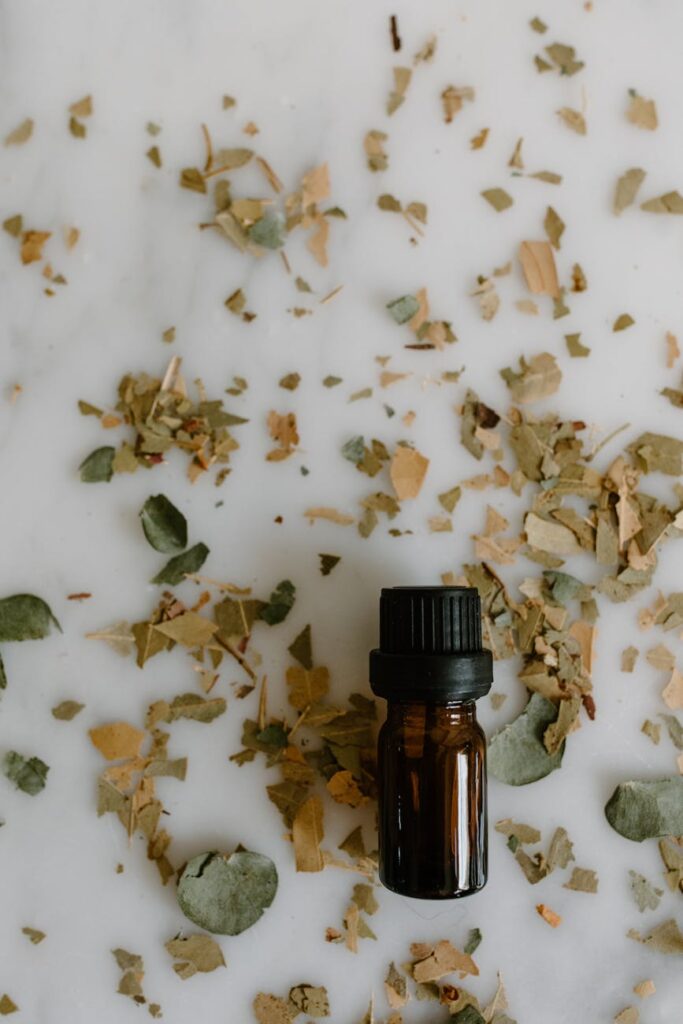
Aromatherapy Uses of DIY Aromatherapy Recipes for Uplifting Blends with Bergamot Oil
Introduction
Aromatherapy, a practice rooted in ancient traditions, utilizes the natural scents of essential oils to enhance emotional and physical well-being. Among the myriad of essential oils available, Bergamot oil stands out due to its unique aromatic profile and uplifting properties. This article explores DIY aromatherapy recipes for creating uplifting blends with Bergamot oil, highlighting its benefits, applications, and safety considerations.
What Is DIY Aromatherapy Recipes for Uplifting Blends with Bergamot Oil?
DIY aromatherapy recipes incorporate essential oils, carrier oils, and other natural ingredients to create customized blends tailored to individual needs and preferences. Bergamot oil, derived from the rind of the bergamot orange (Citrus bergamia), is well-known for its fresh, citrusy scent with floral undertones. Its uplifting qualities make it an excellent addition to aromatherapy blends intended to elevate mood and reduce stress.
In DIY recipes, Bergamot oil can be mixed with other essential oils and carrier oils to craft personalized blends. These blends can be used in various applications, such as diffusing, topical application, or bath preparations.
Key Benefits and Properties
Bergamot oil is celebrated for several key benefits and properties:
1. Mood Enhancement: Bergamot oil is often associated with uplifting emotions and reducing feelings of sadness or anxiety. Its scent may help alleviate stress and promote a sense of calm.
2. Antidepressant Qualities: Some studies suggest that inhaling Bergamot oil can have antidepressant effects, making it a popular choice for individuals seeking emotional support.
3. Antimicrobial Properties: Bergamot oil has natural antimicrobial qualities, which may contribute to its use in various health and wellness applications.
4. Digestive Support: While not a substitute for medical treatment, Bergamot oil is sometimes noted for its potential to soothe digestive discomforts.
5. Skin Benefits: When diluted appropriately, Bergamot oil can be beneficial for skin health, including promoting a clear complexion.
Common Uses
Bergamot oil can be employed in a variety of ways within the realm of aromatherapy. Here are some common uses:
- Diffusion: Add a few drops of Bergamot oil to an essential oil diffuser to fill a room with its uplifting aroma, creating a serene atmosphere.
- Topical Application: When diluted with a carrier oil, Bergamot oil can be applied to pulse points or massaged into the skin.
- Bath Soaks: Incorporating Bergamot oil into bath products can enhance relaxation and provide an aromatic experience.
- Inhalation: Direct inhalation from the bottle or using a personal inhaler can offer immediate mood-boosting effects.
- 5 drops Bergamot oil
- 3 drops Lavender oil
- 2 drops Frankincense oil
- 10 drops Bergamot oil
- 5 drops Sweet Orange oil
- 5 drops Lemon oil
- 10 ml carrier oil (such as jojoba or sweet almond)
- 5 drops Bergamot oil
- 5 drops Geranium oil
- 1 cup Epsom salts
- 2 drops Bergamot oil
- 2 drops Peppermint oil
- Keep it in a cool, dark place: Exposure to light and heat can degrade essential oils. Store Bergamot oil in a dark glass bottle away from direct sunlight.
- Seal tightly: Make sure the bottle is tightly closed to prevent oxidation and contamination.
- Shelf Life: Bergamot oil has a shelf life of about 1-2 years when stored correctly. Always check for any changes in aroma, color, or consistency before use.
Aromatherapy Applications
Creating uplifting blends with Bergamot oil can be accomplished through various DIY recipes. Here are a few simple formulations:
1. Bergamot Uplift Diffuser Blend
Ingredients:
Instructions: Add the essential oils to your diffuser with water (according to your diffuser’s instructions) and enjoy the fragrant atmosphere.
2. Bergamot and Citrus Roller Blend
Ingredients:
Instructions: Combine the essential oils in a roller bottle, fill with the carrier oil, and shake gently. Apply to pulse points as needed for an uplifting boost.
3. Bergamot Bath Soak
Ingredients:
Instructions: Mix the essential oils with Epsom salts and add to a warm bath. Soak for at least 20 minutes while inhaling the soothing aroma.
4. Bergamot Inhalation Blend
Ingredients:
Instructions: Place the essential oils in a personal inhaler or simply inhale directly from the bottle to invigorate the senses.
Safety Considerations
While Bergamot oil is generally considered safe for most people when used appropriately, there are a few important safety considerations to keep in mind:
1. Dilution: Always dilute Bergamot oil with a carrier oil before applying it to the skin to prevent irritation. A common dilution ratio is 3-5% for topical application.
2. Photosensitivity: Bergamot oil can cause photosensitivity, making the skin more susceptible to sunburn. Avoid sun exposure for 12 hours after using Bergamot oil on the skin.
3. Allergies and Sensitivities: Conduct a patch test before using Bergamot oil topically to check for any allergic reactions. If irritation occurs, discontinue use immediately.
4. Pregnancy and Nursing: Pregnant or nursing individuals should consult with a healthcare professional before using Bergamot oil.
5. Children: Use caution when applying essential oils around children. It is advisable to consult a qualified aromatherapist or healthcare provider for guidance.
Storage and Shelf Life
To maintain the potency and quality of Bergamot oil, proper storage is essential:
Frequently Asked Questions
Q: Can I use Bergamot oil in cooking?
A: While Bergamot oil is derived from a citrus fruit, it is primarily intended for aromatic and topical use. Culinary-grade bergamot oil is available but should not be confused with essential oils, which may contain compounds unsuitable for ingestion.
Q: What other oils blend well with Bergamot?
A: Bergamot oil blends beautifully with oils such as Lavender, Frankincense, Sweet Orange, Ylang Ylang, and Geranium, enhancing its uplifting properties.
Q: Is Bergamot oil safe for sensitive skin?
A: Individuals with sensitive skin should conduct a patch test before using Bergamot oil. Diluting the oil with a carrier oil can help reduce the risk of irritation.
Q: Can I use Bergamot oil in a bath?
A: Yes, Bergamot oil can be added to bath products, but it should be mixed with a carrier oil or Epsom salts to ensure even distribution in the water.
Q: What is the best way to use Bergamot oil for stress relief?
A: Diffusing Bergamot oil in your living space or applying it topically to pulse points can be effective ways to utilize its stress-relieving properties.
Conclusion
Bergamot oil is a versatile and uplifting essential oil that enriches the practice of aromatherapy through its delightful aroma and beneficial properties. By crafting your own DIY aromatherapy recipes, you can create personalized blends that enhance your emotional well-being and induce a state of calm. Whether used in a diffuser, as a topical application, or in bath products, Bergamot oil offers a natural approach to elevating mood and promoting tranquility. Always prioritize safety and storage considerations to ensure the longevity and efficacy of your essential oils.