
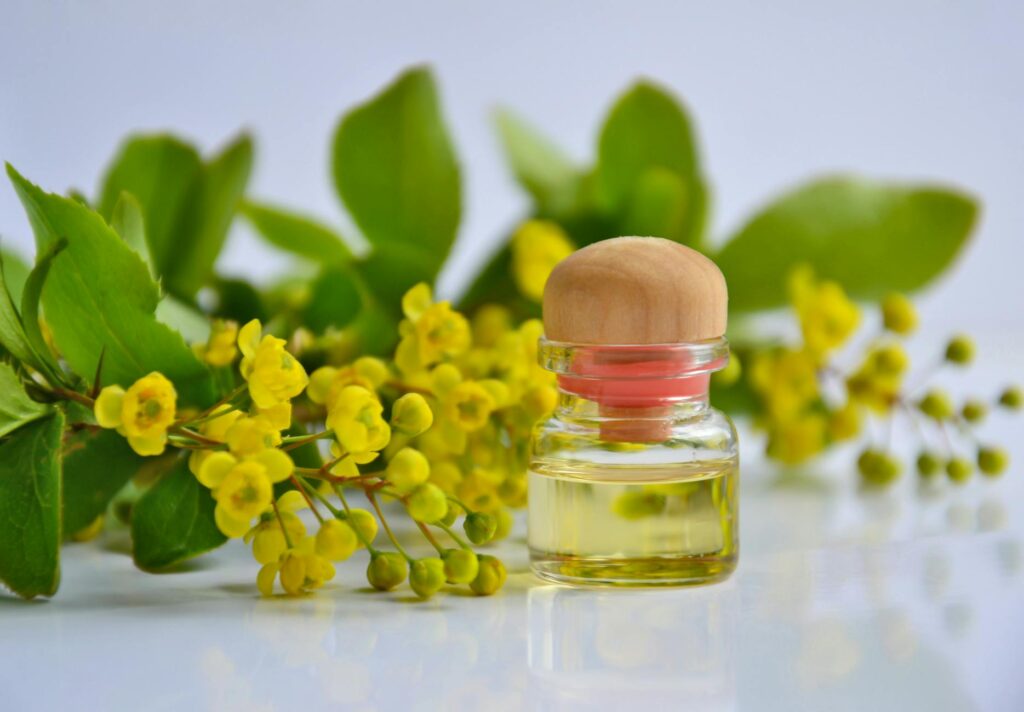
Aromatherapy Uses of Echinacea Extract
Introduction
Aromatherapy is a holistic healing practice that employs natural plant extracts, often referred to as essential oils, to promote physical and emotional well-being. One of the lesser-known but increasingly popular ingredients in aromatherapy is Echinacea extract. Traditionally recognized for its immune-boosting properties, Echinacea has found its way into the realm of aromatherapy, where it offers a variety of benefits and applications. This article aims to explore the characteristics, benefits, and uses of Echinacea extract in the context of aromatherapy.
What Is Echinacea Extract?
Echinacea, commonly known as coneflower, is a genus of flowering plants in the daisy family, Asteraceae. The most commonly used species for medicinal purposes are Echinacea purpurea, Echinacea angustifolia, and Echinacea pallida. Echinacea extract is derived from the plant’s roots, leaves, and flowers, and it is typically prepared through a process of steam distillation or solvent extraction, which captures the plant’s aromatic compounds.
Echinacea extract is rich in various active constituents, including alkamides, polysaccharides, and flavonoids. These compounds are believed to contribute to its potential health benefits. While Echinacea is widely recognized for its role in supporting the immune system, its aromatic properties and benefits extend into the world of aromatherapy.
Key Benefits and Properties
Echinacea extract is celebrated for its array of beneficial properties, which include:
1. Immune Support: Echinacea is well-known for its potential to enhance the immune system, helping the body to fend off infections and illnesses.
2. Anti-Inflammatory Effects: The extract may help reduce inflammation, making it valuable in easing discomfort and promoting overall wellness.
3. Antioxidant Properties: Echinacea contains antioxidants that can combat oxidative stress, potentially protecting cells from damage.
4. Mood Enhancer: Some studies suggest that Echinacea can have mood-lifting effects, which may contribute to its use in aromatherapy.
5. Respiratory Support: The extract is often employed to alleviate respiratory discomfort, making it a useful addition to aromatic blends aimed at promoting lung health.
Common Uses
Echinacea extract is commonly used in various forms, including:
- Tinctures: Concentrated liquid extracts can be taken internally or added to herbal blends.
- Capsules: Echinacea is available in supplement form, allowing for easy consumption.
- Tea: Dried Echinacea flowers and leaves can be steeped to create herbal tea.
- Topical Applications: Echinacea can be found in creams, ointments, and salves for external use.
- Allergic Reactions: Individuals with allergies to plants in the Asteraceae family, such as ragweed, may experience allergic reactions to Echinacea. It is advisable to perform a patch test before topical application.
- Pregnancy and Nursing: There is limited research on the safety of Echinacea during pregnancy and breastfeeding. Women in these categories should consult a healthcare provider before use.
- Medication Interactions: Echinacea may interact with certain medications, especially those affecting the immune system. Consult with a healthcare professional if you are on medication.
- Dosage Guidelines: Always adhere to recommended dosages when using Echinacea in any form. Overuse can lead to adverse effects such as gastrointestinal discomfort.
- Cool, Dark Place: Store Echinacea extract in a cool, dark place, away from direct sunlight and heat sources.
- Tightly Sealed Containers: Ensure that the extract is stored in tightly sealed containers to prevent oxidation and contamination.
- Shelf Life: Echinacea extract typically has a shelf life of 1 to 2 years when stored properly. Always check for signs of spoilage, such as changes in color or scent.
In aromatherapy, Echinacea extract can be incorporated into essential oil blends, diffusers, and massage oils, providing its benefits through inhalation and topical application.
Aromatherapy Applications
Echinacea extract can be integrated into various aromatherapy practices, enhancing the overall experience and therapeutic potential. Here are some common applications:
1. Diffusion
One of the simplest ways to experience Echinacea’s properties is through diffusion. When diffused, the aromatic compounds can fill a room, promoting a sense of calm and well-being. It can be blended with other essential oils such as lavender or eucalyptus to create a soothing atmosphere.
2. Massage Oils
Echinacea extract can be diluted in a carrier oil—such as jojoba, almond, or coconut oil—and used for massage. This application can provide both physical and emotional benefits, easing muscle tension while promoting relaxation.
3. Inhalation
Direct inhalation of Echinacea extract—whether from a bottle or a bowl of hot water—can offer immediate therapeutic benefits. This technique may be particularly effective for respiratory issues, as inhaling the aromatic compounds can help clear airways and ease breathing.
4. Bath Additives
Adding Echinacea extract to bath water can enhance the bathing experience. The warm water helps to release the aromatic compounds, promoting relaxation and providing a soothing effect on the skin.
5. Skincare
Echinacea extract can be incorporated into skincare products, providing anti-inflammatory and antioxidant benefits. It may be particularly useful for individuals with sensitive or irritated skin.
Safety Considerations
While Echinacea extract is generally considered safe for most individuals when used appropriately, there are some important considerations to keep in mind:
Storage and Shelf Life
Proper storage is crucial for maintaining the quality and efficacy of Echinacea extract. Consider the following guidelines:
Frequently Asked Questions
1. Can Echinacea extract be used in children?
While Echinacea is often safe for children, consult a healthcare professional for specific age-appropriate dosages and forms.
2. Is Echinacea extract suitable for people with autoimmune diseases?
Individuals with autoimmune diseases should consult a healthcare provider before using Echinacea, as it may stimulate the immune system.
3. How does Echinacea compare to other essential oils?
Echinacea offers unique benefits, particularly in immune support and respiratory health. While it can be used alongside other essential oils, its effects may differ from more commonly used oils like lavender or tea tree.
4. Can I consume Echinacea extract?
Echinacea extract can be consumed in various forms, including tinctures and capsules. Always adhere to recommended dosages and consult a healthcare provider if you have concerns.
5. Is Echinacea effective for seasonal allergies?
Some users report that Echinacea helps alleviate symptoms associated with seasonal allergies. However, individual results may vary, and it’s advisable to consult a healthcare professional for personalized advice.
Conclusion
Echinacea extract is a versatile component of aromatherapy, offering an array of benefits that extend beyond its traditional use for immune support. With various applications ranging from diffusion to topical use, Echinacea serves as a valuable addition to holistic wellness practices. As with any natural remedy, it is essential to approach its use with informed caution, adhering to safety guidelines and consulting professionals as needed. Through responsible use, Echinacea extract can enrich the aromatherapy experience, promoting both physical and emotional well-being.