
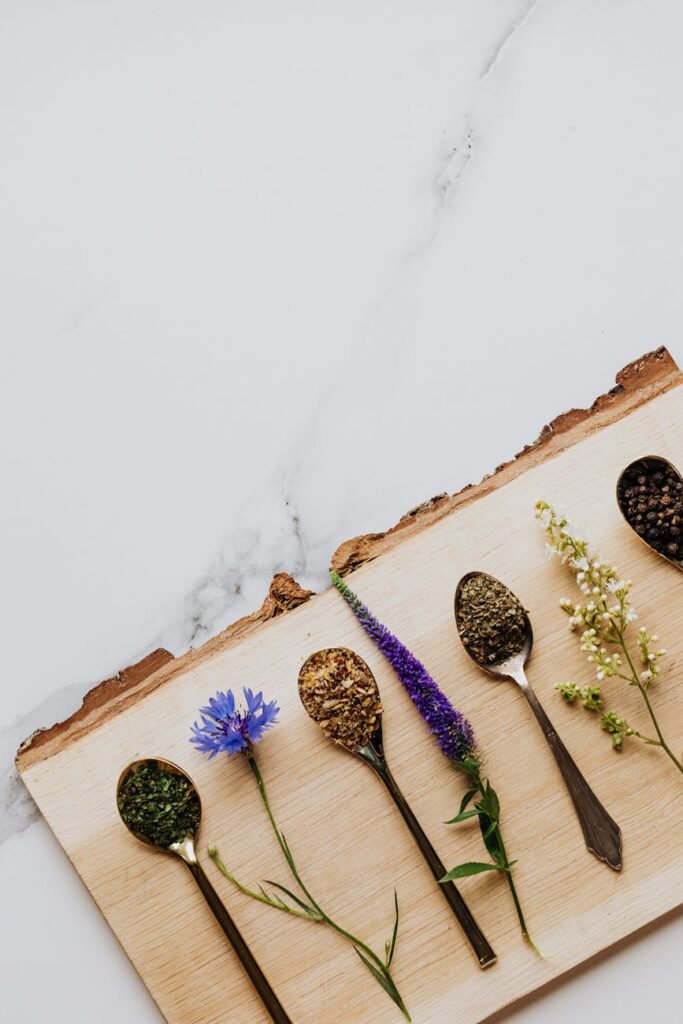
Aromatherapy Uses of Edible Flowers
Introduction
Aromatherapy, a holistic healing practice that utilizes essential oils derived from plants, has gained considerable popularity for its therapeutic benefits. While many are familiar with traditional herbs and oils, the incorporation of edible flowers into aromatherapy is less commonly discussed. Edible flowers not only enhance culinary dishes but also offer unique aromatic and therapeutic properties. This article explores the world of edible flowers, their benefits, common uses, and applications in aromatherapy.
What Are Edible Flowers?
Edible flowers are blossoms that are safe for human consumption and can be used in a variety of culinary and medicinal applications. They are often rich in flavor, color, and nutrition, making them a delightful addition to salads, desserts, teas, and more. Beyond their culinary uses, many edible flowers possess essential oils that carry aromatic and therapeutic qualities, making them valuable in the field of aromatherapy.
Some popular edible flowers include:
- Lavender (Lavandula spp.)
- Chamomile (Matricaria chamomilla)
- Nasturtium (Tropaeolum majus)
- Rose (Rosa spp.)
- Hibiscus (Hibiscus sabdariffa)
- Elderflower (Sambucus nigra)
- Culinary Applications: Used in salads, as garnish, in teas, or infused in syrups, edible flowers can enhance the flavor and visual appeal of dishes.
- Beverages: Flowers like hibiscus and rose can be steeped to create refreshing herbal teas or infused in cocktails for an aromatic twist.
- Cosmetics and Skincare: Floral extracts are often incorporated into skincare products for their fragrance and potential benefits, such as anti-inflammatory properties.
- Natural Dyes: Certain edible flowers can be used to create natural dyes for food and textiles, adding color without synthetic additives.
These flowers are celebrated not only for their aesthetic appeal but also for their potential health benefits and aromatic properties.
Key Benefits and Properties
Edible flowers boast a variety of beneficial properties that can enhance both culinary experiences and aromatherapy practices. Here are some key benefits:
1. Aromatic Qualities: Many edible flowers possess distinct fragrances that can uplift mood, promote relaxation, or energize the senses. For instance, lavender is well-known for its calming effects.
2. Nutritional Value: Edible flowers are often rich in vitamins, minerals, and antioxidants. For example, nasturtiums are high in vitamin C and can enhance immune function.
3. Therapeutic Properties: Certain edible flowers are believed to possess anti-inflammatory, antiseptic, and calming properties. Chamomile, for example, is often used for its soothing effects.
4. Aesthetic Appeal: The vibrant colors and unique shapes of edible flowers can enhance visual presentation, making dishes more appealing and enjoyable.
5. Flavor Enhancement: Edible flowers can add subtle flavors to culinary creations. For instance, elderflowers have a sweet, floral taste that can elevate beverages and desserts.
Common Uses
Edible flowers are versatile and can be used in a variety of ways:
Aromatherapy Applications
In aromatherapy, the essential oils extracted from edible flowers can be used in various ways to enhance well-being. Here are some common applications:
1. Diffusion: Essential oils from edible flowers can be diffused in the air to create a pleasant environment. For example, lavender oil can promote relaxation and reduce stress when diffused in a living space.
2. Topical Use: When diluted properly with a carrier oil, essential oils from edible flowers can be applied to the skin. For example, rose oil is often used in skincare for its soothing properties.
3. Baths: Adding a few drops of edible flower essential oils to bathwater can create a calming and aromatic experience. Chamomile and lavender oils are particularly popular for this purpose.
4. Inhalation: Inhaling the aroma of essential oils from edible flowers can provide immediate benefits. This can be done by placing a few drops on a tissue or using an inhaler.
5. Massage: Blending edible flower essential oils with carrier oils can enhance massage experiences, providing both relaxation and aromatherapy benefits.
Safety Considerations
While edible flowers can be beneficial, it is essential to practice safety when using them in aromatherapy:
1. Quality: Ensure that the flowers used are organic and free of pesticides or other harmful chemicals. Only use flowers that are labeled as safe for consumption.
2. Allergies: Conduct a patch test before using any essential oil derived from edible flowers on the skin to check for allergic reactions.
3. Dilution: Always dilute essential oils with a carrier oil before applying them to the skin to minimize the risk of irritation.
4. Consultation: For individuals with specific health concerns or conditions, consulting a professional aromatherapist or qualified healthcare provider before using essential oils is advisable.
5. Pregnancy and Lactation: Pregnant or breastfeeding individuals should exercise caution and consult a healthcare provider before using essential oils.
Storage and Shelf Life
Proper storage and handling of edible flowers and their essential oils are crucial to maintaining their potency and effectiveness:
1. Storage: Store dried edible flowers in an airtight container in a cool, dark place to prevent degradation from light and moisture. Essential oils should also be kept in a cool, dark environment, ideally in amber or cobalt glass bottles to protect them from UV light.
2. Shelf Life: The shelf life of dried edible flowers can vary, but they typically last for 1-3 years when stored properly. Essential oils can have a shelf life of 1-5 years, depending on the type and storage conditions.
3. Quality Check: Regularly assess the quality of stored flowers and oils. Discoloration, off-odors, or changes in consistency may indicate that they should be discarded.
Frequently Asked Questions
1. Can all flowers be used in aromatherapy?
Not all flowers are suitable for aromatherapy. Only those specifically designated as edible and safe for consumption should be used. Research and ensure the quality and safety of the flowers before use.
2. How do I know if a flower is edible?
Edible flowers are typically labeled as such in stores or can be identified through reputable guides. Always double-check with reliable resources before consuming any flower.
3. Are there any contraindications for using edible flower essential oils?
Yes, some essential oils may have contraindications, especially for pregnant individuals, those with certain medical conditions, or those taking specific medications. Always consult with a healthcare provider if unsure.
4. How can I incorporate edible flowers into my garden?
Many edible flowers can be grown in home gardens. Consider planting varieties like nasturtiums, marigolds, or calendula, which are relatively easy to cultivate and can thrive in various conditions.
5. What is the best way to use edible flowers in cooking?
Edible flowers can be used in various culinary applications. They can be added fresh to salads, frozen into ice cubes, used as garnishes, or steeped to make herbal teas. Always wash them thoroughly before use.
Conclusion
Edible flowers present a delightful intersection of culinary and aromatic possibilities. Their unique properties and versatility make them a valuable addition to both the kitchen and the realm of aromatherapy. By understanding their benefits, uses, and safety considerations, individuals can explore the enriching experience that edible flowers offer, contributing to both physical wellness and sensory enjoyment. As we continue to discover the myriad ways nature can enhance our lives, edible flowers stand out as a beautiful and fragrant option.