
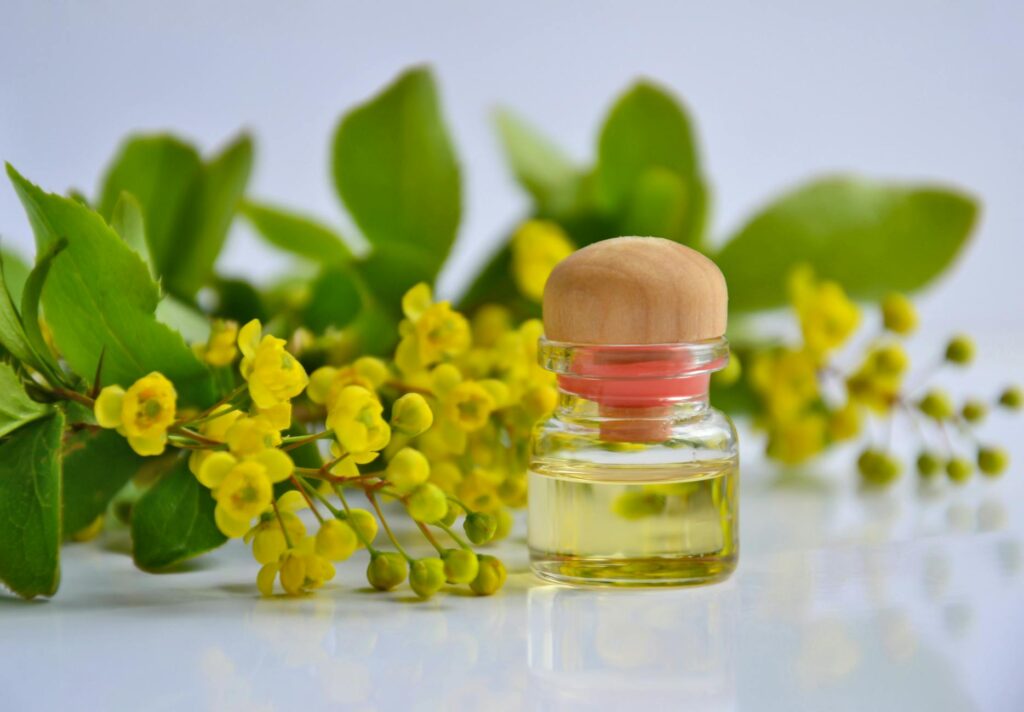
Aromatherapy Uses of Elderberry Oil Extract
Introduction
Elderberry oil extract, derived from the berries of the Sambucus nigra plant, has gained significant attention in the world of aromatherapy and holistic health. Known for its rich history and numerous applications, elderberry oil extract is not only prized for its aromatic qualities but also for its potential therapeutic benefits. This article explores the nature of elderberry oil extract, its key properties, common uses, and safety considerations, making it a comprehensive guide for those interested in this fascinating essential oil.
What Is Elderberry Oil Extract?
Elderberry oil extract is obtained from the berries of the elder tree, which is native to Europe and North America. The extraction process typically involves cold pressing or steam distillation, allowing the concentrated oil to retain the natural compounds and aromatic properties of the berries. The resulting oil has a sweet, fruity scent, making it an appealing addition to various aromatherapy blends and formulations.
Elderberries themselves have been utilized in traditional medicine for centuries, particularly in folklore for their immune-supporting properties. The oil extract captures many of the beneficial constituents of the berries, including flavonoids, vitamins, and antioxidants.
Key Benefits and Properties
Elderberry oil extract is rich in several beneficial compounds. Some of its notable properties include:
- Antioxidant Activity: Elderberries are known for their high levels of antioxidants, which help combat oxidative stress and protect cells from damage.
- Anti-Inflammatory Properties: The compounds found in elderberry oil may help reduce inflammation, making it a popular choice for soothing topical applications.
- Antimicrobial Effects: Preliminary studies suggest that elderberry may possess antimicrobial properties, which can contribute to its use in various formulations aimed at supporting overall wellness.
- Moisturizing Qualities: The oil is often used in skincare products for its hydrating properties, making it beneficial for dry or irritated skin.
- Aromatherapy Diffusion: When diffused, elderberry oil extract can create a calming and uplifting atmosphere, promoting emotional well-being.
- Topical Applications: The oil can be blended with carrier oils for topical use, particularly in skincare formulations intended for hydration or soothing inflammation.
- Massage Oil: When combined with other essential oils, elderberry oil extract can enhance the relaxing effects of massage therapy.
- Homemade Products: Elderberry oil extract can be incorporated into homemade candles, soaps, and lotions, adding both fragrance and potential benefits.
- Dilution: Essential oils should always be diluted with a carrier oil before topical application to minimize the risk of skin irritation or allergic reactions.
- Patch Testing: Before using elderberry oil extract on larger skin areas, conduct a patch test by applying a diluted amount to a small area of skin to check for any adverse reactions.
- Pregnancy and Nursing: It is advisable for pregnant or nursing individuals to consult with a healthcare professional before using elderberry oil extract or any essential oils.
- Avoid Ingestion: Elderberry oil extract is intended for external use and should not be ingested unless under the guidance of a qualified professional.
- Cool, Dark Place: Store elderberry oil extract in a cool, dark location away from direct sunlight, as light and heat can degrade the oil’s quality.
- Tightly Sealed Containers: Use tightly sealed containers to prevent oxidation and contamination. Dark glass bottles are often recommended for essential oils.
- Shelf Life: When stored properly, elderberry oil extract can have a shelf life of 1 to 3 years. However, it is advisable to check for any changes in scent, color, or consistency before use.
These properties make elderberry oil extract appealing for various applications in aromatherapy and personal care.
Common Uses
Elderberry oil extract can be used in a variety of ways, including:
Aromatherapy Applications
Elderberry oil extract can be utilized in several aromatherapy applications, enhancing its versatility:
1. Stress Relief and Relaxation
The sweet, fruity aroma of elderberry oil extract can help alleviate feelings of stress and anxiety. When used in a diffuser, it may promote a sense of calm and relaxation, making it an excellent choice for unwinding after a long day.
2. Emotional Balance
The uplifting scent of elderberry can also aid in emotional balance, making it suitable for use during meditation or mindfulness practices. Blending elderberry oil with grounding essential oils such as cedarwood or frankincense can further enhance its calming effects.
3. Skin Care
Elderberry oil extract’s moisturizing properties make it an excellent addition to skincare routines. It can be mixed with carrier oils like jojoba or sweet almond oil and applied topically to hydrate and soothe dry skin.
4. Immune Support
While not a substitute for medical treatment, elderberry oil extract is believed to have properties that may support the immune system. It can be included in blends designed for seasonal wellness, combined with other essential oils known for their immune-boosting properties, such as tea tree or eucalyptus.
Safety Considerations
While elderberry oil extract is generally regarded as safe for most individuals, there are some important safety considerations to keep in mind:
Storage and Shelf Life
Proper storage of elderberry oil extract is essential for maintaining its quality and efficacy. Here are some tips:
Frequently Asked Questions
1. Can I use elderberry oil extract for cooking?
No, elderberry oil extract is intended for external use and not for culinary purposes. Always consult a qualified professional for dietary advice.
2. Is elderberry oil safe for children?
While elderberry oil extract is generally safe for adults, caution is advised when using it around children. Consult a healthcare professional for guidance on the use of essential oils with children.
3. Can elderberry oil extract help with allergies?
Elderberry oil extract may have properties that support overall wellness, but it should not be considered a treatment for allergies. Always seek advice from a healthcare professional for allergy management.
4. How can I incorporate elderberry oil into my skincare routine?
Elderberry oil extract can be added to lotions, creams, or carrier oils. Mix it with a suitable carrier oil and apply it to the skin to benefit from its moisturizing properties.
5. What other essential oils blend well with elderberry oil?
Elderberry oil extract pairs well with a variety of essential oils, including lavender, chamomile, and citrus oils like lemon or orange. Experimenting with different combinations can enhance its aromatic and therapeutic effects.
Conclusion
Elderberry oil extract is a versatile and aromatic addition to the world of essential oils and aromatherapy. With its rich history and array of potential benefits, it can serve as a valuable resource for individuals interested in natural wellness practices. While it offers various applications and benefits, proper usage and safety measures are crucial for maximizing its potential. By understanding its properties and uses, individuals can safely explore the fragrant world of elderberry oil extract in their aromatherapy journey.