
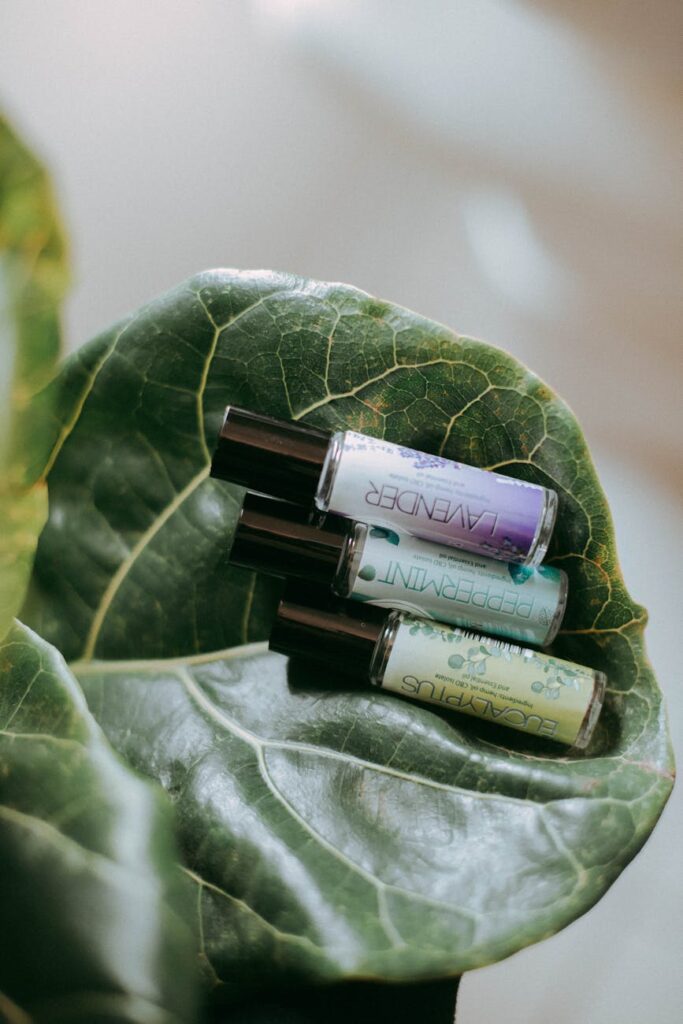
Aromatherapy Uses of Essential Oil Blends for Emotional Balance
Introduction
Aromatherapy harnesses the natural therapeutic properties of essential oils to promote emotional, mental, and physical well-being. Among the various applications of aromatherapy, the use of essential oil blends specifically designed for emotional balance has garnered significant interest. These blends can help cultivate a sense of calm, reduce stress, and enhance overall emotional health. This article will explore the concept of essential oil blends for emotional balance, their benefits, common applications, and safety considerations.
What Are Essential Oil Blends for Emotional Balance?
Essential oil blends for emotional balance are carefully crafted combinations of various essential oils aimed at addressing emotional and psychological states. Each essential oil possesses unique properties, and when combined, they can enhance or complement each other’s effects. The art of blending essential oils takes into account the individual characteristics of each oil, including its aroma, therapeutic properties, and emotional influence.
Common essential oils used in these blends include lavender, bergamot, ylang-ylang, frankincense, and chamomile. The synergy created by blending these oils can be tailored to target specific emotional needs, such as anxiety, stress, sadness, or fatigue.
Key Benefits and Properties
The benefits of using essential oil blends for emotional balance are multifaceted. Here are some of the key properties of essential oils that contribute to emotional well-being:
1. Stress Reduction: Many essential oils, such as lavender and chamomile, are known for their calming effects. They can help reduce the levels of cortisol, a hormone associated with stress.
2. Mood Enhancement: Oils like bergamot and sweet orange have uplifting properties that can help improve mood and promote feelings of happiness.
3. Emotional Release: Essential oils can assist in processing emotions by providing a safe space for emotional release. Oils such as frankincense are often used in meditation to facilitate introspection.
4. Sleep Support: Blends that include sedative oils like vetiver and cedarwood can promote relaxation and assist with sleep, which is crucial for emotional balance.
5. Mindfulness and Focus: Certain oils, like rosemary and peppermint, aid in mental clarity and focus, which can help individuals navigate their emotions more effectively.
Common Uses
Essential oil blends designed for emotional balance can be utilized in various ways, depending on individual preferences and needs:
- Diffusion: Using an essential oil diffuser, individuals can disperse the aroma of the blend throughout a room, creating an uplifting or calming atmosphere.
- Topical Application: Many blends can be diluted with a carrier oil and applied to pulse points, such as wrists or temples, allowing the aroma to be inhaled throughout the day.
- Inhalation: Simply inhaling the scent directly from the bottle or from a cotton ball soaked in the blend can provide immediate emotional support.
- Bathing: Adding a few drops of an essential oil blend to a warm bath can create a serene environment conducive to relaxation and emotional release.
- Massage: Combining essential oils with a carrier oil for massage can alleviate tension in the body while also providing emotional comfort.
- Dark Glass Containers: Essential oils should be stored in dark glass containers to protect them from light, which can degrade their quality.
- Cool, Dry Place: Keep essential oils in a cool, dry location, away from direct sunlight and heat sources.
- Shelf Life: The shelf life of essential oils varies. Citrus oils may last about 1-2 years, while woody oils like cedarwood can last up to 4-5 years. Always check for any changes in aroma or consistency before use.
Aromatherapy Applications
Understanding how to apply essential oil blends for emotional balance effectively can enhance their benefits. Below are several methods of application:
Diffusion
Using a diffuser is one of the most popular methods for dispersing essential oils into the air. By choosing blends that promote relaxation or uplift the spirit, one can create an environment conducive to emotional well-being.
Inhalation
For quick emotional support, inhaling essential oils directly from the bottle or using a personal inhaler can provide immediate benefits. This method is particularly useful for on-the-go situations where stress or anxiety may arise.
Topical Application
When applying essential oils to the skin, it is essential to dilute them with a carrier oil, such as sweet almond oil or jojoba oil. The recommended dilution ratio is typically 1-3% for adults, depending on individual sensitivity.
Bathing Rituals
Creating a bathing ritual with essential oil blends can enhance relaxation. To prevent the oils from floating on the water surface, it is advisable to mix them with a dispersant, such as milk or Epsom salts, before adding them to the bath.
Massage Techniques
Incorporating essential oils into massage can promote both physical relaxation and emotional release. A skilled practitioner can use specific techniques to enhance the therapeutic effects of the oils.
Safety Considerations
While essential oils are natural, it is crucial to approach their use with care. Here are some safety considerations to keep in mind:
1. Patch Test: Before applying a new blend topically, conduct a patch test to check for any adverse reactions. Apply a small amount to a discreet area of skin and wait 24 hours.
2. Dilution: Always dilute essential oils with a carrier oil when applying them to the skin. This reduces the risk of irritation.
3. Quality of Oils: Opt for high-quality, pure essential oils from reputable sources to ensure safety and efficacy.
4. Consultation: Individuals with specific health conditions or concerns should consult a qualified aromatherapist or healthcare provider before using essential oils.
5. Pregnancy and Children: Some essential oils are not suitable for pregnant women or young children. Always research and exercise caution when using oils in these populations.
Storage and Shelf Life
Proper storage of essential oils is vital to maintain their potency and effectiveness. Here are some storage tips:
Frequently Asked Questions
What essential oils are commonly used for emotional balance?
Common essential oils for emotional balance include lavender, bergamot, ylang-ylang, frankincense, and chamomile. Each oil has unique properties that can contribute to emotional well-being.
How do I choose the right blend for my emotional needs?
Choosing the right blend involves understanding your emotional state and the properties of different essential oils. Consider trying several blends to see which resonates most with you.
Can I create my own essential oil blends?
Yes, creating your own blends can be a rewarding experience. Start with a few oils that you are drawn to and experiment with different ratios until you find a combination that works for you.
Are essential oils safe for children?
While many essential oils can be used safely with children, it is essential to dilute them appropriately and choose oils that are suitable for their age. Consulting a qualified aromatherapist is advisable.
How long does the aroma of essential oils last when diffused?
The duration of the aroma will depend on the type of diffuser and the specific oils used. Generally, the scent can last anywhere from a few hours to a full day, depending on the concentration and airflow.
Conclusion
Essential oil blends for emotional balance offer a natural and holistic approach to managing emotions and enhancing overall well-being. By understanding the properties of different essential oils, their applications, and safety considerations, individuals can effectively incorporate aromatherapy into their daily lives. Whether through diffusion, topical application, or other methods, the power of essential oils can serve as a valuable tool in the quest for emotional harmony.