
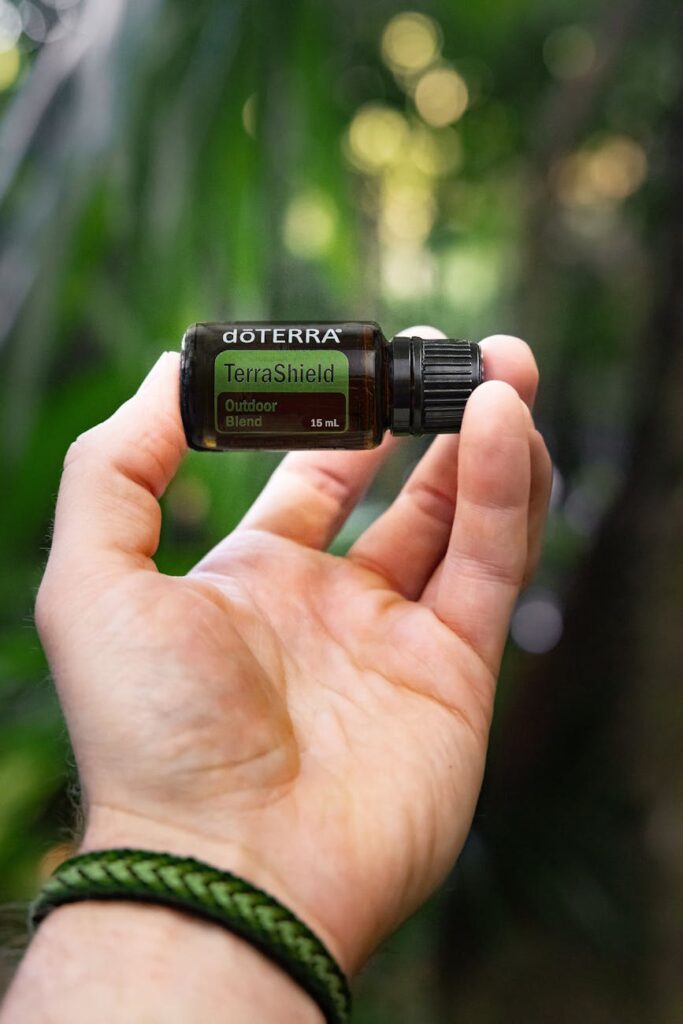
Aromatherapy Uses of Essential Oil Blends for Immune Defense
Introduction
Aromatherapy, the practice of using aromatic plant extracts for therapeutic purposes, has gained popularity as a holistic approach to health and well-being. Among the various applications of aromatherapy, essential oil blends designed to support immune defense have emerged as a focal point for many seeking natural ways to bolster their overall wellness. This article explores the concept of essential oil blends for immune defense, their benefits, common uses, and considerations for safe application.
What Is Essential Oil Blends for Immune Defense?
Essential oil blends for immune defense are combinations of various essential oils specifically formulated to enhance the body’s natural immune response. These blends harness the unique properties of individual essential oils, such as antimicrobial, anti-inflammatory, and antioxidant effects, to create a synergistic formula that supports immune health. Commonly used essential oils in these blends include tea tree, eucalyptus, lavender, and lemon, among others.
The efficacy of these blends can depend on several factors, including the quality of the essential oils used, the method of preparation, and the individual’s specific needs and sensitivities.
Key Benefits and Properties
Essential oil blends for immune defense offer a range of potential benefits, primarily due to the individual properties of the oils used. Here are some key benefits:
1. Antimicrobial Properties: Many essential oils possess natural antimicrobial properties that can help inhibit the growth of bacteria, viruses, and fungi. For example, tea tree and oregano oil are well known for their ability to combat pathogens.
2. Anti-Inflammatory Effects: Essential oils like frankincense and peppermint can help reduce inflammation, which is crucial in maintaining a healthy immune system.
3. Antioxidant Activity: Oils such as lemon and rosemary contain antioxidants that help fight oxidative stress, thereby supporting overall immune function.
4. Stress Reduction: Stress can weaken the immune system, and essential oils like lavender and chamomile are renowned for their calming effects, promoting relaxation and emotional well-being.
5. Respiratory Support: Oils such as eucalyptus and peppermint can aid in respiratory health, making it easier for the body to fend off infections.
Common Uses
Essential oil blends for immune defense can be utilized in various ways, depending on individual preferences and specific needs. Common uses include:
- Diffusion: Using an essential oil diffuser allows the aroma of the blend to fill a room, promoting inhalation of the beneficial compounds.
- Topical Application: Diluting essential oil blends in a carrier oil (such as coconut or jojoba oil) allows for direct application to the skin, which can enhance local immune response.
- Inhalation: Direct inhalation from a bottle or a tissue can provide immediate respiratory benefits.
- Baths: Adding essential oils to bathwater can create a soothing and relaxing experience while allowing the oils to absorb through the skin.
- Household Cleaning: Incorporating essential oil blends into cleaning products can harness their antimicrobial properties for a natural cleaning solution.
- Duration: Diffuse for 30-60 minutes, allowing breaks in between to avoid overwhelming the senses.
- Blend Suggestions: A popular blend for immune defense might include equal parts of tea tree, eucalyptus, and lemon oils.
- Dilution Ratio: A common dilution ratio is 2-3 drops of essential oil per teaspoon of carrier oil.
- Application Areas: Consider applying to pulse points, along the spine, or on the soles of the feet for systemic benefits.
- Direct Inhalation: Place a drop or two of the essential oil blend on a tissue and inhale deeply.
- Steam Inhalation: Add a few drops of essential oils to hot water, creating steam that can be inhaled for respiratory support.
- Preparation: Mix essential oils with a carrier oil before adding them to the bath to ensure even distribution.
- Soak Time: Soak for at least 20 minutes to allow for maximum absorption.
- Recipe: Combine water, vinegar, and a few drops of essential oil blend for a natural disinfectant.
- Surface Use: Ideal for countertops, bathrooms, and other surfaces that require cleaning.
- Skin Sensitivity: Always conduct a patch test before applying essential oils topically to identify any allergic reactions.
- Dilution: Essential oils must be diluted with a carrier oil for topical use to prevent irritation.
- Pregnancy and Nursing: Certain essential oils should be avoided during pregnancy and breastfeeding; consult a knowledgeable source or practitioner.
- Children and Pets: Some essential oils can be harmful to children and pets. Research specific oils before use in homes with children or animals.
- Consultation: If you have existing health conditions or are taking medications, consult with a healthcare provider knowledgeable about essential oils.
- Containers: Store essential oils in dark glass bottles to protect them from sunlight, which can degrade their quality.
- Temperature: Keep oils in a cool, dry place, away from heat sources.
- Shelf Life: Essential oils typically have a shelf life of 1-3 years. Citrus oils may have a shorter shelf life compared to others.
Aromatherapy Applications
To maximize the benefits of essential oil blends for immune defense, various aromatherapy applications can be employed:
1. Diffusion
When diffusing essential oils, consider the following:
2. Topical Application
For topical use, always dilute essential oils appropriately:
3. Inhalation Techniques
For inhalation, try these methods:
4. Bathing Rituals
To create a calming bath experience:
5. Cleaning Solutions
To create a natural cleaning product:
Safety Considerations
While essential oils are generally safe when used correctly, there are important safety considerations to keep in mind:
Storage and Shelf Life
Proper storage of essential oils is essential to maintain their potency and effectiveness. Follow these guidelines:
Frequently Asked Questions
1. Can essential oil blends replace conventional medicine?
While essential oil blends can complement wellness routines, they should not replace conventional medical treatments. Always seek professional medical advice for serious health concerns.
2. How often can I use essential oil blends for immune defense?
The frequency of use can vary based on individual preferences and sensitivities. It is generally safe to use essential oil blends daily, provided they are diluted appropriately for topical application and used in moderation when diffusing.
3. Are there any essential oils I should avoid?
Some essential oils may cause skin irritation or allergic reactions. Common oils to approach with caution include cinnamon, clove, and oregano. Always perform a patch test and do thorough research before using any new essential oil.
4. Can I make my own immune defense blend?
Yes, many people enjoy creating their own blends. Start with a base of known immune-supporting oils and experiment with ratios and combinations to find what works best for you.
5. How do I know which essential oils to choose?
Choosing essential oils often comes down to personal preference, desired effects, and specific needs. Researching the properties of various oils and experimenting with different blends can help you identify what suits you best.
Conclusion
Essential oil blends for immune defense represent a natural approach to enhancing overall health and well-being. By understanding the properties, potential benefits, and appropriate applications of these blends, individuals can integrate them into their daily routines. Always prioritize safety and educate yourself about the essential oils you choose to use for a more informed and beneficial experience.