
Aromatherapy Uses of Essential Oil Blends for Meditation and Mindfulness
Introduction
In recent years, there has been a surge of interest in holistic practices that promote mental well-being, relaxation, and spiritual growth. Among these practices, aromatherapy has gained prominence for its ability to enhance meditation and mindfulness through the use of essential oils. Essential oil blends specifically formulated for these purposes can create an atmosphere conducive to introspection and tranquility. This article explores the nature of these blends, their benefits, applications, safety considerations, and more.
What Are Essential Oil Blends for Meditation and Mindfulness?
Essential oil blends for meditation and mindfulness are combinations of various essential oils designed to evoke specific emotional and psychological states. These blends harness the unique properties of individual oils to promote relaxation, focus, and a deeper connection to one’s inner self. Common oils used in these blends include lavender, frankincense, sandalwood, and bergamot, among others. Each oil contributes its unique aromatic profile and therapeutic properties, working synergistically to enhance the meditative experience.
Key Benefits and Properties
The benefits of using essential oil blends during meditation and mindfulness practices are manifold:
1. Stress Reduction: Many essential oils possess calming properties that can help alleviate stress and anxiety, creating a serene environment for meditation.
2. Improved Focus: Certain oils can enhance concentration and mental clarity, making it easier to engage in mindfulness practices.
3. Emotional Balance: Essential oils can help regulate emotions, promoting a sense of peace and emotional stability.
4. Enhanced Spiritual Connection: Some oils are thought to facilitate a deeper connection to spiritual or higher states of consciousness, aiding in the meditative process.
5. Physical Relaxation: The inhalation of essential oils can induce physical relaxation, which complements the mental and emotional benefits during meditation.
Common Uses
Essential oil blends can be utilized in various ways to enhance meditation and mindfulness practices:
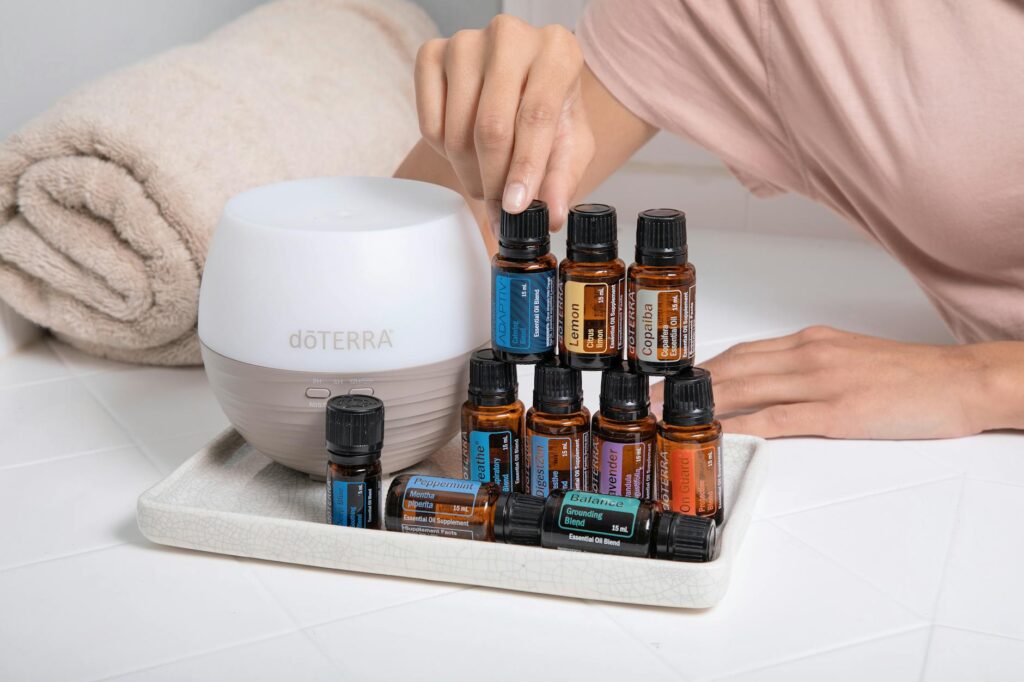
1. Diffusion: Using a diffuser, essential oil blends can fill a room with calming scents, creating a peaceful atmosphere ideal for meditation.
2. Topical Application: Blends can be diluted with carrier oils and applied to pulse points or other areas of the body to benefit from both aromatherapy and skin absorption.
3. Inhalation: Direct inhalation from the bottle or using a personal inhaler can provide immediate aromatic benefits.
4. Bathing: Adding essential oil blends to bathwater can transform a simple bath into a calming ritual, promoting relaxation and mindfulness.
5. Meditation Space Preparation: Spraying or anointing the meditation space with essential oil blends can help set intentions and create a sacred environment.
Aromatherapy Applications
1. Diffusion
Diffusers are popular tools for dispersing essential oils into the air. When using essential oil blends for meditation, consider the following:
- Cold Air Diffusers: These devices use ultrasonic waves to disperse essential oils without heat, preserving their therapeutic properties.
- Nebulizers: These break down essential oils into fine particles, creating a strong aromatic experience.
- Candle Diffusers: These use a candle’s heat to warm essential oils, although this method can alter some of the oil’s properties.
- Pulse Points: Apply diluted blends to wrist, neck, or behind the ears to experience the aroma throughout meditation.
- Massage: Incorporate essential oil blends into massage practices for a multi-sensory experience that promotes relaxation.
- Direct Inhalation: Open the bottle and take a few deep breaths, focusing on the aroma.
- Personal Inhalers: These portable devices allow for discreet inhalation during meditation or mindfulness practices.
- Preparation: Add a few drops of the blend to a carrier oil before mixing it into bathwater to ensure even distribution.
- Mindful Bathing: Use this time for reflection, breathing deeply, and setting intentions for your meditation practice.
- Spray: Create a room spray with essential oil blends and water to mist the space before meditating.
- Anoint Objects: Anointing crystals, cushions, or other sacred objects with essential oils can imbue them with intention.
- Dark Glass Bottles: Store oils in dark glass containers to protect them from light.
- Cool, Dry Place: Keep oils in a cool, dry environment, away from heat sources.
- Labeling: Always label your blends with the ingredients and date of mixing to track their freshness.
2. Topical Application
When applying essential oil blends to the skin, it is crucial to dilute them with a carrier oil, such as jojoba or almond oil, to prevent irritation. Here are some common practices:
3. Inhalation Techniques
Inhaling essential oils directly can provide an immediate and profound effect:
4. Bathing Rituals
Creating a relaxing bath can be enhanced with essential oil blends:
5. Creating a Mindful Space
Setting up a dedicated meditation area with the use of essential oils can deepen the experience:
Safety Considerations
While essential oils are generally safe when used appropriately, certain precautions should be taken:
1. Skin Sensitivity: Conduct a patch test before applying oils to the skin to check for any allergic reactions.
2. Dilution: Always dilute essential oils with a carrier oil for topical use to minimize the risk of irritation.
3. Pregnancy and Health Conditions: Pregnant individuals or those with specific health conditions should consult with a qualified professional before using essential oils.
4. Quality of Oils: Use pure, high-quality essential oils from reputable sources to ensure efficacy and safety.
5. Storage: Keep oils in dark glass bottles away from light and heat to prolong their shelf life.
Storage and Shelf Life
Essential oils have varying shelf lives, typically ranging from one to five years, depending on the type of oil and how it is stored. Proper storage can significantly extend their usability:
Frequently Asked Questions
1. Can essential oil blends be used during all types of meditation?
Yes, essential oil blends can complement various forms of meditation, including mindfulness, guided visualization, and transcendental meditation. Choose blends that resonate with your personal preferences and meditation style.
2. How do I choose the right essential oil blend for my meditation practice?
Selecting the right blend depends on your personal goals and preferences. Consider the emotional and physical properties of each oil and experiment with different combinations to find what works best for you.
3. Are there any essential oils that should be avoided during meditation?
While most essential oils are safe for use, some oils can be too stimulating or may evoke strong emotions. Avoid highly energizing oils like peppermint or citrus if you are aiming for deep relaxation.
4. How can I create my own essential oil blend for meditation?
To create a personalized blend, start with a base oil, add your chosen essential oils, and adjust the ratios based on your preferences. A common starting point is three to five drops of essential oil per tablespoon of carrier oil.
5. Can essential oils help with sleep issues during meditation?
Certain essential oils like lavender and chamomile are known for their calming properties and can promote better sleep when used in meditation practices. However, individual responses to oils may vary.
Conclusion
Essential oil blends serve as a valuable tool in enhancing meditation and mindfulness practices. By harnessing the aromatic and therapeutic properties of various essential oils, individuals can create an environment that fosters relaxation, focus, and spiritual connection. Whether through diffusion, topical application, or mindful rituals, these blends can enrich the meditative experience, providing a holistic approach to mental well-being. As with any practice, it is essential to explore and find what resonates best with you, ensuring a personal and meaningful journey into the world of aromatherapy.