
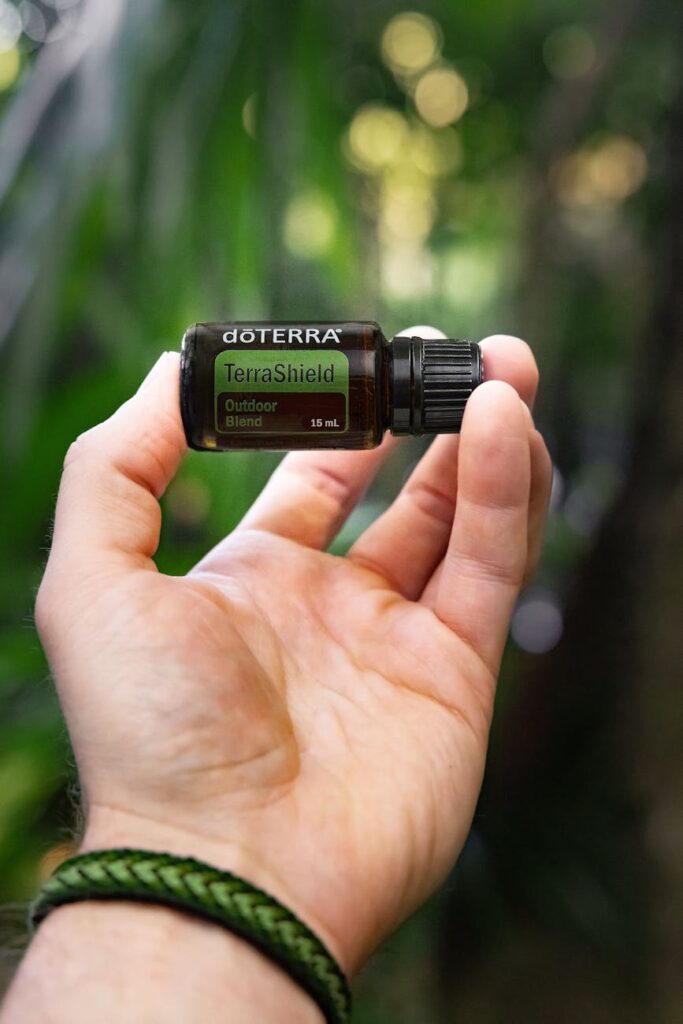
Aromatherapy Uses of Essential Oil Blends for Mood Stabilization
Introduction
Aromatherapy, the practice of using essential oils for therapeutic benefits, has gained significant traction as a holistic approach to enhancing emotional well-being. Among the various applications of aromatherapy, the use of essential oil blends for mood stabilization has become a focal point for many seeking to improve their emotional balance and mental clarity. This article explores the concept of essential oil blends designed for mood stabilization, highlighting their key benefits, common uses, and practical applications.
What Is Essential Oil Blends for Mood Stabilization?
Essential oil blends for mood stabilization consist of carefully selected oils combined to promote emotional balance and mental clarity. These blends harness the unique properties of individual essential oils, each contributing distinct therapeutic qualities. Commonly used oils in these blends include lavender, bergamot, ylang-ylang, and frankincense, among others. The synergistic effect of these oils can help alleviate feelings of anxiety, stress, and sadness, providing a holistic pathway to emotional well-being.
Key Benefits and Properties
The benefits of using essential oil blends for mood stabilization are manifold:
1. Emotional Balance: Certain essential oils possess calming properties that can help regulate mood swings and foster emotional stability.
2. Stress Reduction: Aromatic compounds in essential oils, such as linalool in lavender, can induce relaxation, thereby reducing stress levels.
3. Enhanced Mood: Citrus oils like bergamot and sweet orange are known for their uplifting effects, helping to elevate mood and promote feelings of happiness.
4. Mindfulness and Clarity: Oils such as rosemary and frankincense can enhance mental clarity and focus, contributing to a more grounded emotional state.
5. Improved Sleep Quality: Blends that include sedative oils can aid in promoting better sleep, which is essential for emotional regulation and overall mental health.
Common Uses
Essential oil blends for mood stabilization can be utilized in various settings and formats, including:
- Diffusion: Using a diffuser to disperse essential oil blends into the air can create a calming environment, making it ideal for homes, offices, or wellness centers.
- Topical Application: Diluted essential oil blends can be applied to pulse points, such as wrists or behind the ears, allowing for direct skin absorption and immediate benefits.
- Bath Soaks: Adding essential oil blends to bathwater can enhance relaxation, making baths a perfect sanctuary for self-care.
- Inhalation: Direct inhalation from the bottle or a personal inhaler can provide quick relief during moments of stress or anxiety.
- Dilution: Essential oils are highly concentrated and should be diluted with a carrier oil before topical application to prevent skin irritation.
- Allergic Reactions: Conduct a patch test before applying new essential oils to the skin to check for any allergic reactions.
- Pregnancy and Nursing: Certain essential oils may not be safe for pregnant or nursing women. It is advisable to consult a knowledgeable source before use.
- Medical Conditions: Individuals with specific medical conditions or those taking medication should consult a healthcare provider to ensure the safe use of essential oils.
- Children and Pets: Some essential oils can be toxic to children and pets. It is essential to research and choose oils that are safe for use in households with these vulnerable populations.
- Dark Glass Bottles: Essential oils should be stored in dark glass bottles to protect them from light, which can degrade their quality.
- Cool, Dry Place: Keep essential oils in a cool, dry place away from direct sunlight and heat sources.
- Shelf Life: The shelf life of essential oils varies. Citrus oils generally have a shorter shelf life (around 1-2 years), while oils like sandalwood and patchouli can last for several years when stored properly.
Aromatherapy Applications
1. Creating a Calming Atmosphere
To create a serene environment, a blend of lavender, chamomile, and sandalwood can be diffused in spaces where relaxation is desired. This combination is known for its soothing properties, helping to calm the mind and reduce anxiety.
2. Boosting Mood
For an uplifting experience, a blend of bergamot, sweet orange, and grapefruit can be used. This vibrant combination not only smells delightful but may also lift spirits and promote a sense of joy.
3. Enhancing Focus
A blend of rosemary, peppermint, and frankincense can be beneficial during study sessions or work. These oils are known to enhance mental clarity and concentration, making them ideal for tasks requiring focus.
4. Promoting Sleep
To encourage restful sleep, a blend of lavender, cedarwood, and marjoram can be utilized. This combination is often recommended for nighttime rituals, helping to prepare the mind and body for a restful night.
5. Stress Relief During Transitions
During times of emotional upheaval or transitional phases, a blend of ylang-ylang, patchouli, and clary sage can provide comfort. These oils are believed to stabilize emotions and foster a sense of grounding.
Safety Considerations
While essential oils are generally considered safe when used appropriately, there are several safety considerations to keep in mind:
Storage and Shelf Life
Proper storage of essential oils is crucial for maintaining their potency. Here are some guidelines:
Frequently Asked Questions
1. Can essential oil blends replace traditional therapy?
While essential oil blends can be a valuable complementary tool for emotional well-being, they should not be viewed as a replacement for professional therapy or medical treatment.
2. How often can I use essential oil blends for mood stabilization?
The frequency of use depends on individual preferences and responses. Many people find daily use beneficial, while others may use them as needed.
3. Are there specific blends for different emotional states?
Yes, various essential oil blends can be tailored to target specific emotional states, such as anxiety, sadness, or stress. Researching and experimenting with different combinations can help find the most effective blend for individual needs.
4. Can I make my own essential oil blends?
Absolutely! Creating personalized blends can be a rewarding experience. Start with a few oils known for their mood-stabilizing properties and experiment with different ratios until you find a blend that resonates with you.
5. Are there any contraindications for using essential oils?
Yes, individuals with certain medical conditions, those who are pregnant or nursing, and those taking medications should exercise caution and seek advice from a healthcare professional before using essential oils.
Conclusion
Essential oil blends for mood stabilization offer a natural and holistic approach to enhancing emotional well-being. With their myriad of benefits and versatile applications, these blends can serve as excellent tools for those looking to foster emotional balance in their lives. However, it is essential to use them safely and responsibly to maximize their benefits while minimizing risks. As you explore the world of aromatherapy, remember that each individual’s experience with essential oils may vary. Therefore, patience and mindfulness are key in discovering what works best for you.