
Aromatherapy Uses of Essential Oil Blends for Pain Relief
Introduction
Aromatherapy, a holistic healing practice, harnesses the power of essential oils extracted from plants to promote physical, emotional, and spiritual well-being. Among its many applications, pain relief stands out as a prominent area of interest. Essential oil blends, specifically crafted to target discomfort, have gained popularity for their potential soothing effects. This article explores the nature of these blends, their benefits, common uses, and practical applications in aromatherapy.
What Are Essential Oil Blends for Pain Relief?
Essential oil blends for pain relief are mixtures composed of various essential oils, each selected for their unique therapeutic properties. These blends are designed to address a range of discomforts—including headaches, muscle soreness, joint pain, and menstrual cramps—by leveraging the synergistic effects of multiple oils. While individual essential oils may offer certain benefits, combining them often enhances their overall efficacy.
Common Essential Oils in Pain Relief Blends
Some essential oils frequently used in pain relief blends include:
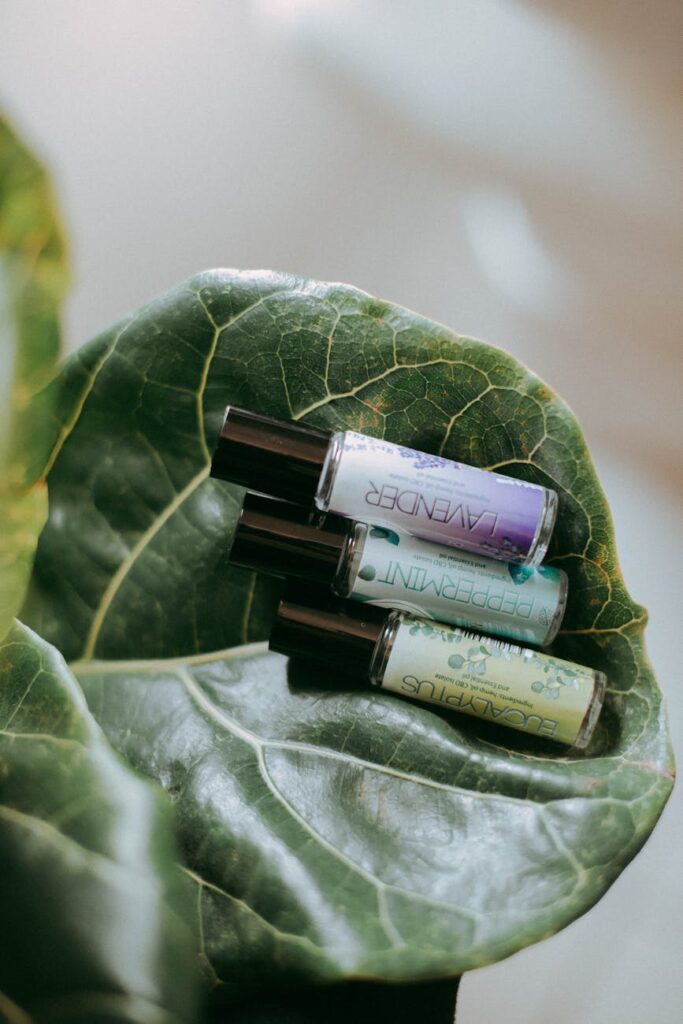
- Lavender: Known for its calming effects, lavender also possesses anti-inflammatory properties.
- Peppermint: Contains menthol, which can provide a cooling sensation and help alleviate headaches and muscle pain.
- Eucalyptus: Often used for its analgesic and anti-inflammatory properties, particularly in respiratory issues.
- Ginger: Known for its warming qualities, ginger can help relieve muscle tension and discomfort.
- Frankincense: Often employed for its anti-inflammatory properties, it may help ease chronic pain conditions.
- Diffusers: Adding a few drops of an essential oil blend to a diffuser can fill a room with the therapeutic aroma.
- Steam Inhalation: Mixing a few drops of oil in hot water and inhaling the steam can be effective, especially for respiratory issues.
- Massage: Massaging the diluted blend into the affected area can enhance circulation and relieve tension.
- Compresses: Soaking a cloth in a diluted blend and applying it to the painful area can provide localized relief.
Key Benefits and Properties
Essential oil blends for pain relief offer several key benefits and properties that contribute to their effectiveness:
1. Anti-inflammatory Effects
Many essential oils possess anti-inflammatory properties that can help reduce swelling and pain. Oils like frankincense and eucalyptus are particularly noted for their ability to combat inflammation.
2. Analgesic Properties
Certain essential oils, such as peppermint and ginger, have analgesic properties, acting as natural pain relievers. These oils can help diminish the perception of pain.
3. Muscle Relaxation
Blends that include oils like lavender and chamomile can promote muscle relaxation, making them suitable for alleviating tension in sore muscles.
4. Enhanced Mood
Pain often has a psychological component. Essential oils can influence mood, helping to reduce anxiety and stress, which may indirectly lessen the perception of pain. Oils like lavender and bergamot are known for their uplifting properties.
5. Improved Circulation
Some essential oils may enhance circulation, which can help in the healing process and reduce discomfort associated with muscle and joint pain.
Common Uses
Essential oil blends for pain relief can be used in various contexts, including:
1. Headaches and Migraines
Blends containing peppermint, lavender, and eucalyptus may be applied to the temples or inhaled to help alleviate headache symptoms.
2. Muscle Soreness and Tension
After physical activity, a blend of ginger, black pepper, and lavender can be massaged into sore muscles to promote relief.
3. Joint Pain
For those experiencing joint discomfort, a mixture of frankincense, marjoram, and cypress can be beneficial when diluted and applied topically.
4. Menstrual Discomfort
Essential oil blends featuring clary sage, lavender, and chamomile can be used in a warm compress or diluted for abdominal massage.
5. Stress-Related Pain
Pain that is exacerbated by stress can be addressed using calming blends containing bergamot, chamomile, and ylang-ylang.
Aromatherapy Applications
There are several methods to apply essential oil blends for pain relief, including:
1. Inhalation
Inhaling essential oils can provide immediate relief. This can be achieved through:
2. Topical Application
Diluting essential oils in a carrier oil (such as coconut, jojoba, or almond oil) allows for safe topical application. Common methods include:
3. Bath Soaks
Adding essential oil blends to bath water can create a soothing experience. Make sure to use an emulsifier (like Epsom salt) to help the oils disperse in the water.
4. Aromatherapy Roll-ons
Creating a portable roll-on blend allows for convenient application throughout the day. Simply mix essential oils with a carrier oil in a small roll-on bottle.
Safety Considerations
While aromatherapy can offer many benefits, it is essential to approach it with caution:
1. Dilution
Essential oils are highly concentrated and should always be diluted in a carrier oil before topical application to avoid skin irritation.
2. Sensitivity and Allergies
Individuals may have sensitivities or allergies to specific essential oils. It is advisable to conduct a patch test before widespread use.
3. Consultation
Those with existing medical conditions or pregnant individuals should consult a qualified healthcare professional before using essential oils, as some may have contraindications.
4. Quality of Oils
Using high-quality, pure essential oils is crucial. Synthetic or adulterated oils may not provide the desired benefits and could cause adverse reactions.
Storage and Shelf Life
Proper storage of essential oils is vital for maintaining their efficacy:
1. Storage Conditions
Essential oils should be stored in dark glass bottles, away from direct sunlight and heat. This helps preserve their chemical integrity and extends their shelf life.
2. Shelf Life
Most essential oils have a shelf life of 1 to 3 years, depending on the type and storage conditions. Citrus oils tend to have a shorter shelf life compared to woody or resinous oils.
Frequently Asked Questions
1. How often can I use essential oil blends for pain relief?
The frequency of use depends on the individual’s needs and the specific blend. Generally, essential oils can be applied several times a day, but always follow recommended guidelines for dilution.
2. Can I use essential oils during pregnancy?
Certain essential oils are contraindicated during pregnancy. It is crucial to consult a healthcare professional for personalized advice.
3. Are there any side effects of using essential oils?
While essential oils are generally safe when used correctly, they can cause skin irritation or allergic reactions in some individuals. Always perform a patch test.
4. Can I mix different essential oils?
Yes, blending different essential oils can enhance their therapeutic effects. However, it is advisable to research combinations and follow established recipes.
5. Are essential oils a replacement for medical treatment?
Essential oils can be a complementary approach to wellness but should not replace professional medical treatment. Always consult with a healthcare provider for persistent or severe pain.
Conclusion
Aromatherapy using essential oil blends for pain relief offers a holistic approach to managing discomfort. By understanding the benefits, common uses, and safety considerations, individuals can effectively incorporate these natural remedies into their wellness routines. While essential oils can provide soothing support, they should complement, rather than replace, traditional medical treatments when necessary. Embracing the art of blending and applying essential oils can lead to a more balanced and harmonious approach to pain management.