
Aromatherapy Uses of Essential Oil Blends for Seasonal Mood Enhancement
Introduction
As the seasons change, many individuals experience shifts in their mood and overall emotional well-being. The transition from the warmth of summer to the chill of winter, or the awakening of spring after a long, dreary winter, can evoke various feelings. Essential oils, derived from aromatic plants, have long been celebrated for their ability to influence mood and enhance emotional health. In this article, we will explore the uses of essential oil blends specifically designed for seasonal mood enhancement, examining their properties, applications, and safety considerations.
What Are Essential Oil Blends for Seasonal Mood Enhancement?
Essential oil blends are combinations of two or more essential oils mixed together to achieve a specific aromatic profile and therapeutic effect. These blends can be tailored to address the emotional challenges that arise with seasonal changes. Commonly used oils include lavender, citrus oils, and earthy scents, which can evoke feelings of calm, happiness, or grounding, respectively.
Understanding the properties of individual oils allows for the creation of blends that target specific emotional states. For example, uplifting blends may incorporate citrus oils like sweet orange and bergamot, while calming blends may include oils such as chamomile and vetiver.
Key Benefits and Properties
The benefits of using essential oil blends for seasonal mood enhancement are manifold:
1. Emotional Balance: Essential oils can help stabilize emotions, reducing feelings of anxiety or sadness that may accompany seasonal changes.
2. Stress Relief: Many essential oils possess calming properties that can help alleviate stress and promote relaxation.
3. Increased Energy: Certain blends can invigorate the mind and body, providing a natural boost of energy during lethargic seasons.
4. Enhanced Mood: Uplifting essential oils can promote feelings of joy and happiness, counteracting the effects of seasonal affective disorder (SAD) and other mood fluctuations.
5. Improved Focus and Clarity: Some blends enhance cognitive function, aiding concentration and mental clarity, especially useful during the transition periods of the year.
Common Essential Oils for Mood Enhancement
- Lavender: Known for its calming effects, lavender can help reduce anxiety and promote restful sleep.
- Bergamot: This citrus oil is renowned for its uplifting properties and can help alleviate feelings of sadness.
- Sweet Orange: A cheerful scent, sweet orange promotes joy and positivity.
- Frankincense: Often used for its grounding properties, frankincense can help stabilize emotions and reduce stress.
- Peppermint: Invigorating and refreshing, peppermint oil can provide a boost of energy and mental clarity.
Common Uses
Essential oil blends for seasonal mood enhancement can be utilized in various ways, including:
1. Diffusion: Using an essential oil diffuser is one of the most popular methods for dispersing the aromatic compounds into the air. This method allows for even distribution and can create a calming or uplifting atmosphere in a space.
2. Topical Application: Blending essential oils with carrier oils (such as jojoba, coconut, or almond oil) allows for direct application on the skin. This method is effective for localized relief and can be used on pulse points, such as wrists or behind the ears.
3. Bathing: Adding essential oil blends to a warm bath can create a tranquil experience. The combination of water and steam helps release the oils into the air while providing skin benefits.
4. Inhalation: Placing a few drops of essential oil on a cotton ball or in the palm of your hand and inhaling deeply can provide immediate mood-enhancing effects.
5. Sprays: Creating a room or pillow spray with essential oil blends can enhance the ambiance of any space, making it more inviting and soothing.
Aromatherapy Applications
Uplifting Blends
For those seeking a boost in mood during darker seasons, uplifting blends can be particularly beneficial. A blend of sweet orange, bergamot, and peppermint can invigorate the senses and enhance feelings of joy and energy.
Calming Blends
Conversely, calming blends can help ease anxiety and stress. A combination of lavender, chamomile, and frankincense may promote tranquility and relaxation, making it an excellent choice for evening use or during particularly stressful days.
Grounding Blends
Grounding blends can help stabilize emotions, especially during transitional seasons. A mixture of vetiver, cedarwood, and sandalwood can create a sense of balance and inner peace, making it suitable for meditation or mindfulness practices.
Safety Considerations
While essential oils are generally safe when used appropriately, there are important safety considerations to keep in mind:
1. Dilution: Essential oils should always be diluted with a carrier oil before applying to the skin to avoid irritation or sensitization.
2. Patch Test: Conducting a patch test on a small area of skin can help determine any sensitivity to a particular oil.
3. Pregnancy and Nursing: Certain essential oils may not be safe for use during pregnancy or nursing. It is advisable to consult with a knowledgeable professional before using essential oils during these times.
4. Allergies and Sensitivities: Individuals with allergies or sensitivities should carefully research and select oils, avoiding known allergens.
5. Keep Out of Reach of Children: Essential oils should be stored safely and kept out of reach of children to prevent accidental ingestion or contact.
Storage and Shelf Life
Proper storage of essential oil blends is crucial for maintaining their potency and effectiveness:
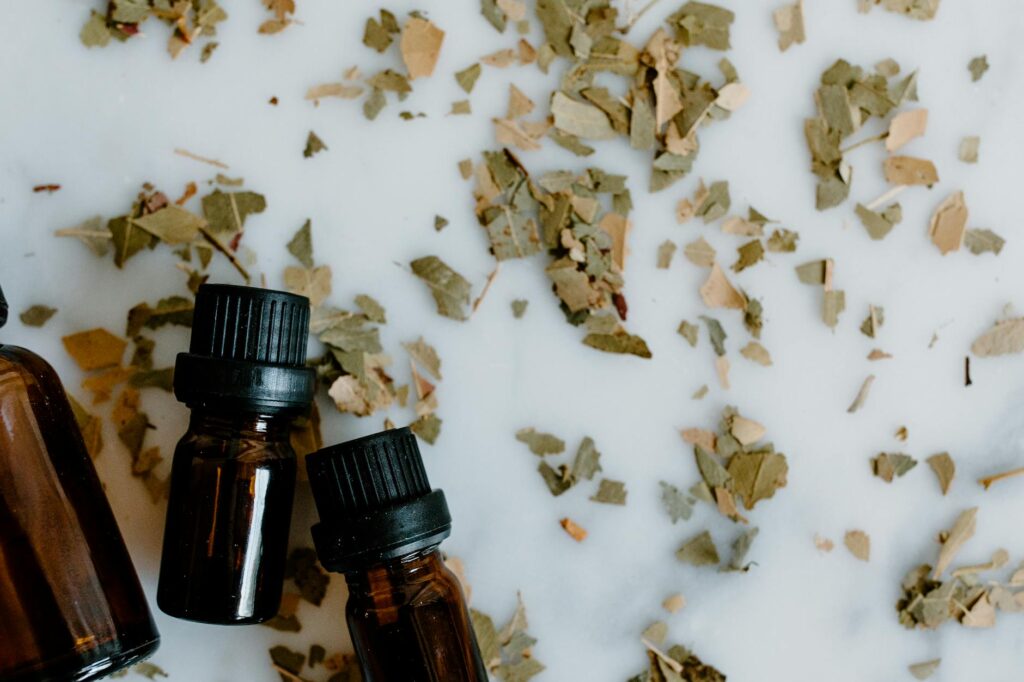
1. Containers: Essential oils should be stored in dark glass bottles to protect them from light exposure, which can degrade their quality.
2. Temperature: Keep oils in a cool, dry place to prolong their shelf life. High temperatures can cause essential oils to oxidize and lose their beneficial properties.
3. Shelf Life: The shelf life of essential oils varies depending on their composition. Generally, citrus oils have a shorter shelf life (1-2 years), while woody oils can last longer (up to 5 years or more).
Frequently Asked Questions
Can essential oils replace medication for mood disorders?
While essential oils can support emotional well-being, they should not replace prescribed medications or treatments for mood disorders. It is essential to consult with a healthcare professional for appropriate guidance.
How can I determine which essential oil blend is right for me?
Identifying the right blend often involves personal preference and experimentation. Consider the specific emotional states you wish to address and select oils based on their properties. Journaling your experiences can help refine your choices over time.
Are there any essential oils that should be avoided?
Certain oils, such as those with strong phototoxic properties (like some citrus oils), should be avoided before sun exposure. Additionally, individuals with specific health conditions or sensitivities should research or consult with professionals regarding safe options.
How often can I use essential oil blends?
The frequency of use can vary based on individual preference and sensitivity. Some individuals may benefit from using blends daily, while others may prefer occasional use. Listen to your body and adjust accordingly.
Conclusion
Essential oil blends offer a natural, aromatic approach to enhancing mood and emotional well-being during seasonal transitions. By understanding the properties and uses of various essential oils, individuals can create personalized blends that resonate with their emotional needs. Whether through diffusion, topical application, or bathing, the aromatic world of essential oils provides a rich landscape for exploring the benefits of scent and nature on our emotional health. As always, mindful usage and safety considerations are paramount in enjoying the full benefits of aromatherapy.