
Aromatherapy Uses of Essential Oil Blends for Seasonal Transitions and Mood Stabilization
Introduction
As the seasons change, so do our emotional states, energy levels, and even our physical well-being. Aromatherapy, particularly through the use of essential oil blends, can offer a natural and holistic approach to support mood stabilization during these transitional periods. This article explores the concept of essential oil blends specifically formulated for seasonal changes and emotional balance, their benefits, common applications, and safety guidelines.
What Is Essential Oil Blends for Seasonal Transitions and Mood Stabilization?
Essential oil blends are combinations of various essential oils, each selected for their unique aromatic and therapeutic properties. These blends are designed to address specific needs, such as enhancing mood, promoting relaxation, or providing invigorating support during times of change. Seasonal transitions—such as moving from winter to spring or summer to fall—can evoke a range of emotions and physical sensations. This is where aromatherapy comes into play, offering a fragrant way to navigate these shifts.
Key Benefits and Properties
Emotional Well-Being
Certain essential oils possess mood-enhancing properties that can help alleviate feelings of anxiety, sadness, or lethargy, which may be particularly pronounced during seasonal transitions. Oils such as lavender, bergamot, and ylang-ylang are known for their calming effects, while citrus oils like lemon and orange can uplift and energize.
Physical Support
Essential oils can also provide physical support during seasonal changes. For instance, eucalyptus and peppermint can help clear the airways, making them beneficial during the colder months when respiratory issues may arise. Conversely, oils like chamomile can help soothe skin irritations that may occur with shifting temperatures.
Aromatic Qualities
The scent of essential oils can have a profound impact on our mood and mental state. The olfactory system is closely linked to the brain’s limbic system, which governs emotions. This makes aromatherapy an effective tool for creating an atmosphere that promotes emotional balance and stability.
Common Uses
Diffusion
One of the most popular methods for using essential oil blends is through diffusion. A diffuser disperses the oils into the air, allowing individuals to inhale the aromas. This method is particularly effective for creating a calming environment or energizing a space, depending on the oils used.
Topical Application
Essential oils can also be diluted with carrier oils and applied topically. This method is effective for localized relief or to enhance emotional benefits through skin contact. Common areas for application include pulse points, the chest, and the back of the neck.
Bathing
Adding essential oil blends to bathwater can provide both physical and emotional benefits. The warm water helps to disperse the oils, allowing the individual to inhale the soothing scents while also enjoying the therapeutic effects on the skin.
Inhalation
Direct inhalation of essential oils from the bottle or using a personal inhaler can provide immediate effects. This method is useful for quick mood stabilization and is easily portable.
Aromatherapy Applications
Seasonal Transitions
Spring: As winter fades and spring blooms, blends containing citrus oils like grapefruit and lemon, combined with floral oils such as geranium, can uplift the spirit and invigorate the mind.
Summer: During the hot summer months, refreshing blends with peppermint and eucalyptus can cool the senses and enhance clarity, countering the potential sluggishness brought on by heat.
Autumn: As days shorten, grounding oils like cedarwood and frankincense can provide emotional stability, while warm and spicy oils like cinnamon can create a comforting atmosphere.
Winter: In the cold months, blends with warming oils such as clove and ginger can promote a sense of coziness, while oils like lavender and chamomile can help ease seasonal stress and anxiety.
Mood Stabilization
For general mood stabilization, blends that combine uplifting oils such as bergamot, sweet orange, and ylang-ylang with grounding oils like vetiver and patchouli can create a balanced emotional state. These combinations can be used during times of stress, anxiety, or when feeling overwhelmed.
Safety Considerations
While essential oils are generally considered safe when used properly, certain precautions should be taken:
- Dilution: Always dilute essential oils with a carrier oil before applying them to the skin to minimize irritation.
- Patch Testing: Conduct a patch test on a small area of skin to check for allergic reactions before widespread use.
- Pregnancy and Nursing: Pregnant or nursing individuals should consult with a healthcare professional before using essential oils.
- Children and Pets: Certain essential oils may not be suitable for children or pets. Research specific oils before use in these contexts.
- Avoiding Ingestion: Essential oils are highly concentrated and should not be ingested unless under the guidance of a qualified practitioner.
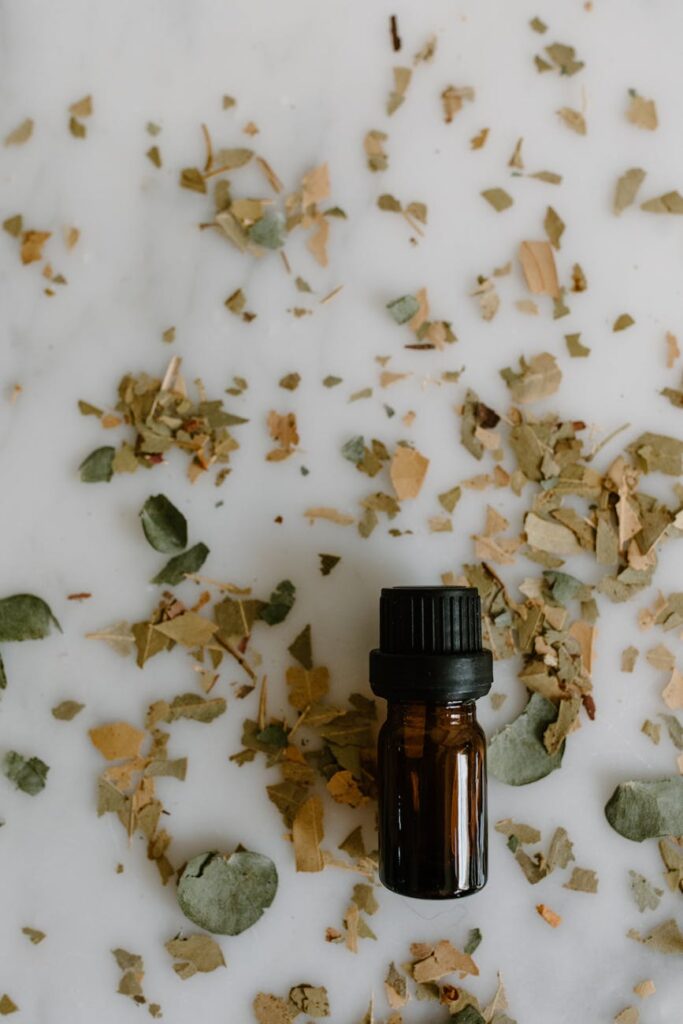
- Containers: Store essential oils in dark glass bottles to protect them from light exposure.
- Temperature: Keep oils in a cool, dry place away from direct sunlight and heat sources.
- Shelf Life: Generally, essential oils can last from 1 to 3 years, depending on the type. Citrus oils tend to have a shorter shelf life, while woody oils can last longer.
Storage and Shelf Life
To maintain the integrity of essential oil blends, proper storage is crucial:
Frequently Asked Questions
Can I create my own essential oil blends?
Yes, creating your own blends allows for personalization based on individual preferences and needs. Start with a base oil and gradually add other oils, testing until you achieve the desired scent.
How often should I use essential oil blends for mood stabilization?
The frequency of use depends on individual needs. Many find daily use beneficial, while others may prefer occasional application during particularly stressful times.
Are there any essential oils to avoid during certain seasons?
While individual reactions vary, certain oils may be less effective in specific seasons. For instance, heavy, warming oils may feel less appealing in hot summer months, while light, refreshing oils might not provide the desired comfort in winter.
Can essential oils replace traditional therapies for mood disorders?
Essential oils can complement traditional therapies but should not replace them. For severe mood disorders, consult a qualified professional for appropriate treatment options.
Conclusion
Essential oil blends offer a versatile and holistic approach to navigating the complexities of seasonal transitions and mood stabilization. By understanding their properties, applications, and proper use, individuals can harness the power of aromatherapy to cultivate emotional well-being throughout the year. Whether through diffusion, topical application, or bathing, the fragrant benefits of essential oils can enhance our daily lives and promote a balanced emotional state.