
Aromatherapy Uses of Essential Oil Blends for Seasonal Wellness and Emotional Balance
Introduction
As the seasons change, so do our emotional and physical well-being. Aromatherapy, the practice of using essential oils for therapeutic purposes, offers a natural way to support seasonal wellness and emotional balance. Essential oil blends, which combine various oils to create synergistic effects, can enhance the benefits of individual oils. This article explores the uses, benefits, and applications of essential oil blends, providing a comprehensive guide for those interested in harnessing the power of aromatherapy for seasonal wellness.
What Is Essential Oil Blends for Seasonal Wellness and Emotional Balance?
Essential oil blends are combinations of two or more essential oils formulated to enhance specific therapeutic properties. These blends can be tailored to address seasonal changes—such as the fatigue of winter or the allergies of spring—as well as to promote emotional stability during times of stress or transition. Each essential oil possesses unique properties, and when blended, they can create a more potent and balanced effect on mood and well-being.
Key Benefits and Properties
The benefits of essential oil blends for seasonal wellness and emotional balance are multifaceted. Here are some key properties to consider:
1. Mood Enhancement: Certain oils, such as lavender and bergamot, are known for their calming effects, helping to alleviate stress and anxiety.
2. Energy Boosting: Citrus oils like lemon and orange can invigorate the senses and provide a natural energy lift, particularly useful during the lethargy of winter.
3. Respiratory Support: Essential oils like eucalyptus and peppermint can help clear the airways, making them particularly beneficial during allergy season.
4. Emotional Grounding: Oils such as frankincense and cedarwood can promote a sense of grounding and stability, aiding in emotional balance during turbulent times.
Common Uses
Essential oil blends can be utilized in various forms and settings, catering to personal preferences and specific needs. Some common uses include:
1. Diffusion: Placing a few drops of an essential oil blend in a diffuser can fill a room with therapeutic aromas, creating an uplifting or calming environment.
2. Topical Application: Diluting essential oils in a carrier oil and applying them to the skin can provide localized benefits, such as muscle relaxation or emotional relief.
3. Inhalation: Directly inhaling the scent from a bottle or a personal inhaler can offer immediate emotional support and help clear the mind.
4. Bathing: Adding essential oil blends to bathwater can create a soothing experience, promoting relaxation and stress relief.
Aromatherapy Applications
When it comes to applying essential oil blends for seasonal wellness and emotional balance, several methods can be employed:
1. Diffusion
Using a diffuser is one of the most popular methods for dispersing essential oils in the air. For seasonal wellness, consider blends that combine uplifting citrus oils with grounding florals. For example, a blend of sweet orange, lavender, and frankincense can create a balanced atmosphere.
2. Topical Application
To use essential oil blends topically, it is essential to dilute them in a carrier oil, such as jojoba or sweet almond oil. A common dilution ratio is 3–5 drops of essential oil blend per tablespoon of carrier oil. This method is particularly effective for localized support, such as applying a blend of peppermint and eucalyptus to the chest during allergy season.
3. Inhalation
Inhalation can be done by placing a few drops of the oil blend on a tissue or using a personal inhaler. This method is ideal for quick stress relief or energy boosts during the day. For a refreshing inhalation blend, consider mixing peppermint, lemon, and rosemary.
4. Bathing
Creating a therapeutic bath experience can be enhanced by adding essential oil blends. Mix 5–10 drops of the blend into a cup of Epsom salts or a neutral carrier oil before adding it to your bathwater. A blend of chamomile, lavender, and ylang-ylang can create a serene environment, perfect for unwinding after a long day.
Safety Considerations
While essential oils can offer numerous benefits, it is crucial to use them safely:
1. Dilution: Always dilute essential oils before applying them to the skin. Undiluted oils can cause irritation or allergic reactions.
2. Patch Test: Conduct a patch test on a small area of skin to ensure there is no adverse reaction before using a new blend more extensively.
3. Pregnancy and Nursing: Certain essential oils are not recommended during pregnancy or lactation. It is advisable to consult a knowledgeable professional before use.
4. Children and Pets: Some essential oils can be harmful to children and pets. Research specific oils before using them in households with young children or animals.
5. Medical Conditions: If you have a medical condition or are taking medication, consult with a healthcare provider before incorporating essential oils into your routine.
Storage and Shelf Life
Proper storage is essential for maintaining the integrity of essential oils. Here are some guidelines:
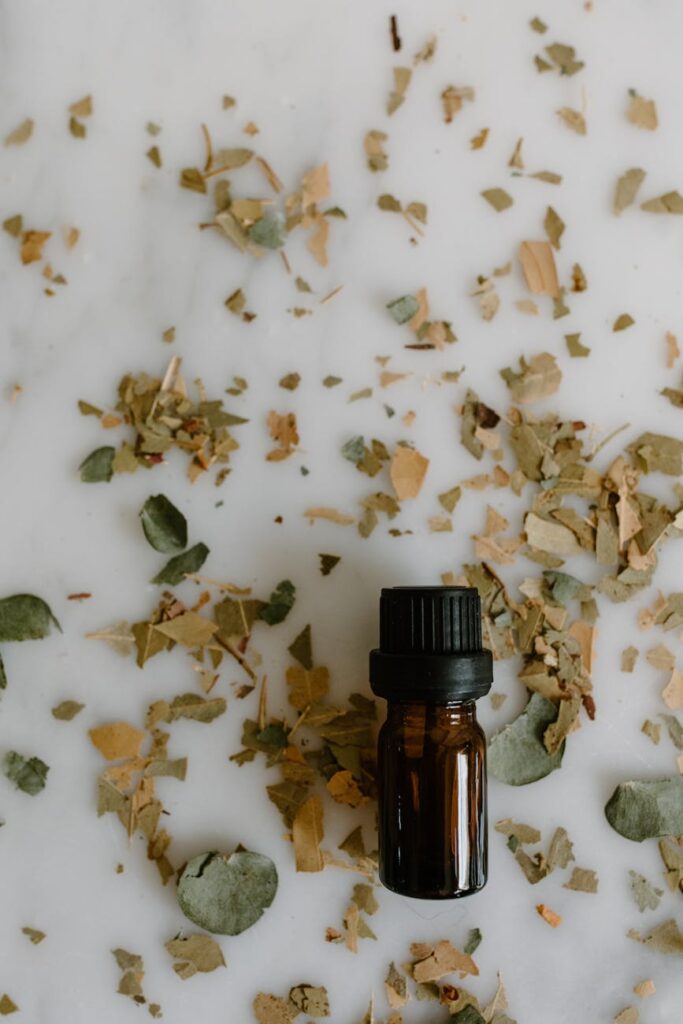
1. Dark Glass Containers: Store essential oils in dark glass bottles to protect them from light, which can degrade their quality.
2. Cool Environment: Keep oils in a cool, dry place, away from heat sources and direct sunlight.
3. Shelf Life: Most essential oils have a shelf life of 1–3 years, but this can vary. Citrus oils tend to have a shorter shelf life, while oils like sandalwood can last longer. Always check for changes in scent or consistency before use.
Frequently Asked Questions
1. What are essential oils?
Essential oils are concentrated plant extracts that capture the natural aroma and therapeutic properties of the plant. They are obtained through various methods, including steam distillation and cold pressing.
2. How can I create my own essential oil blend?
To create your own blend, start with a base oil and select a few essential oils that complement each other. Consider their properties and how they can work together. Begin with small amounts, testing the scent and effects until you achieve a balance that suits your needs.
3. Can essential oil blends help with seasonal allergies?
Certain essential oils, such as eucalyptus and lavender, may help alleviate some symptoms associated with seasonal allergies. However, individual responses can vary, and it is essential to approach this with caution and proper research.
4. Are there any contraindications for using essential oils?
Yes, certain oils may have contraindications based on individual health conditions, medications, or sensitivities. It is advisable to consult a knowledgeable professional for personalized guidance.
5. How can I incorporate essential oil blends into my daily routine?
Incorporating essential oil blends can be as simple as using a diffuser in your workspace, applying blends to pulse points, or adding oils to your self-care rituals, such as bathing or meditation.
Conclusion
Essential oil blends offer a versatile and natural approach to promoting seasonal wellness and emotional balance. By understanding their properties, benefits, and safe applications, individuals can effectively harness the power of aromatherapy in their daily lives. Whether through diffusion, topical application, or inhalation, the art of blending essential oils can create a harmonious environment that nurtures both body and mind. As with any holistic practice, take the time to explore and discover what works best for you, and enjoy the journey towards enhanced well-being.