
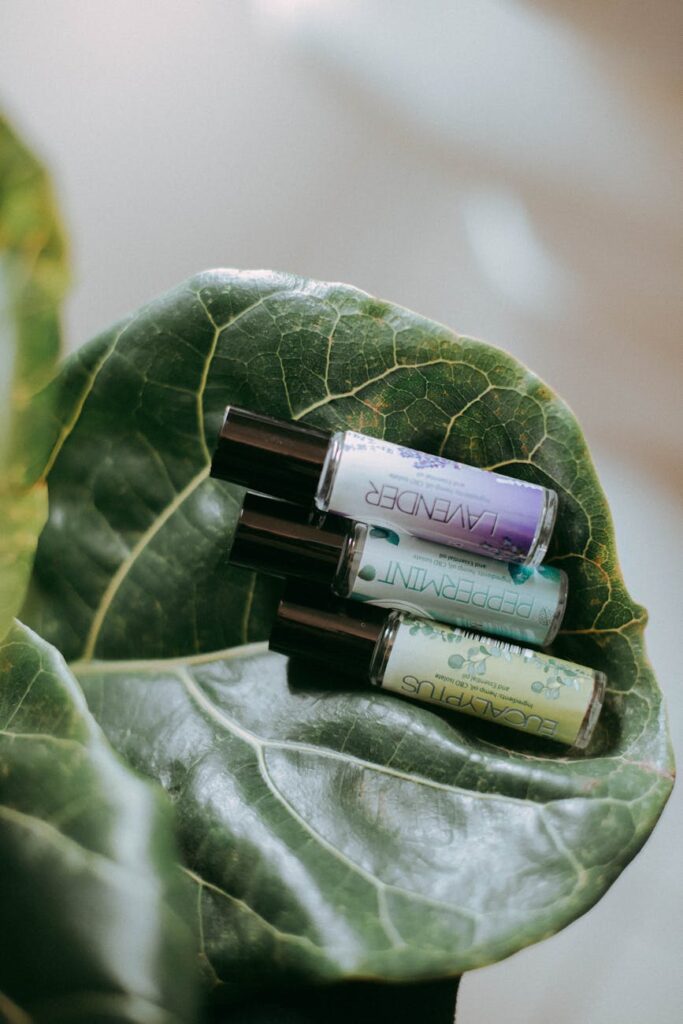
Aromatherapy Uses of Essential Oil Blends for Skin Care and Beauty
Introduction
Aromatherapy, the practice of using essential oils for therapeutic purposes, has gained popularity in the realm of skin care and beauty. Essential oils are concentrated plant extracts that capture the natural fragrance and beneficial properties of their source. When blended thoughtfully, these oils can enhance skin health, promote relaxation, and elevate overall beauty routines. This article explores the uses, benefits, and applications of essential oil blends in skin care and beauty, offering insights for enthusiasts and practitioners alike.
What Are Essential Oil Blends for Skin Care and Beauty?
Essential oil blends are combinations of two or more essential oils mixed together to enhance their individual properties or to create new benefits. In the context of skin care and beauty, these blends leverage the unique characteristics of various oils to address specific skin concerns, such as dryness, aging, or acne. Each essential oil contributes its own profile of therapeutic properties, making the combinations versatile and effective for a wide range of applications.
For example, a blend might include:
- Lavender for its calming scent and soothing properties.
- Tea Tree for its antibacterial effects.
- Geranium for its balancing qualities on skin oil production.
By merging these oils, users can create a product tailored to their personal skin care needs.
Key Benefits and Properties
Essential oil blends offer a multitude of benefits for skin care and beauty. The key properties of these oils can be categorized as follows:
1. Moisturizing and Hydrating: Oils like Jojoba and Rosehip are known for their hydrating properties, making them excellent additions to blends intended for dry or mature skin.
2. Anti-inflammatory: Oils such as Chamomile and Frankincense can help reduce inflammation and soothe irritated skin.
3. Antibacterial and Antifungal: Essential oils like Tea Tree and Eucalyptus can combat bacteria and fungi, making them useful in formulations for acne-prone skin.
4. Antioxidant: Oils like Pomegranate Seed and Carrot Seed are rich in antioxidants, which can help protect the skin from oxidative stress and premature aging.
5. Balancing: Oils such as Geranium and Palmarosa can help balance oil production in the skin, making them suitable for both oily and dry skin types.
6. Aromatic Benefits: Beyond their physical properties, essential oils provide aromatic benefits that can enhance mood, reduce stress, and promote an overall sense of well-being.
Common Uses
Essential oil blends can be utilized in various forms within skin care and beauty routines, including:
1. Facial Oils: Custom blends can be added to carrier oils to create nourishing facial oils that target specific skin concerns.
2. Serums: Concentrated formulas with essential oil blends can be effective for targeting issues like fine lines, pigmentation, and uneven skin tone.
3. Cleansers: Certain blends can enhance cleansing products, providing antibacterial properties while maintaining skin hydration.
4. Moisturizers: Essential oils can be incorporated into lotions and creams to elevate their effectiveness and add pleasant scents.
5. Masks: Essential oil blends can be used in facial masks for targeted treatments, such as clarifying or soothing the skin.
6. Bath Products: Blends can be added to bath oils or salts for a relaxing and skin-benefiting soak.
7. Hair Care: Specific blends can be formulated for hair oils or scalp treatments, addressing issues like dryness or dandruff.
Aromatherapy Applications
When incorporating essential oil blends into skin care routines, several methods can be employed:
1. Dilution: Essential oils must be diluted with carrier oils (such as Coconut, Jojoba, or Sweet Almond oil) before application to the skin. A general rule is to use a 1-2% dilution for facial applications (approximately 1-2 drops of essential oil per teaspoon of carrier oil).
2. Diffusion: Using an essential oil diffuser can disperse the aromatic benefits of essential oil blends into the air, promoting relaxation and enhancing the overall atmosphere during skin care routines.
3. Inhalation: Inhaling the aroma of essential oil blends can enhance the mood and emotional state, which may indirectly benefit the skin.
4. Topical Application: Once diluted, essential oil blends can be applied directly to the skin, focusing on areas of concern. This method can be particularly effective for spot treatments or targeted applications.
5. Soaking: Adding essential oil blends to bath water can provide both skin benefits and a relaxing aromatic experience.
Safety Considerations
While essential oils are natural, they are highly concentrated and can cause adverse reactions if not used properly. Here are some important safety considerations:
1. Patch Testing: Always perform a patch test before applying a new blend to a larger area of skin. Apply a small amount to the inner arm and wait 24 hours to check for any allergic reactions.
2. Dilution: Essential oils should never be applied undiluted on the skin. Proper dilution with a carrier oil is essential to prevent skin irritation.
3. Avoid Sensitive Areas: Keep essential oils away from sensitive areas, such as the eyes and mucous membranes.
4. Pregnancy and Nursing: Some essential oils may not be safe during pregnancy or nursing. It is advisable to consult a healthcare professional for guidance.
5. Storage: Store essential oils in a cool, dark place to preserve their potency and prevent degradation.
Storage and Shelf Life
The shelf life of essential oil blends varies depending on the individual oils used and the storage conditions. Generally, essential oils can last from 1 to 3 years if stored properly. Here are some tips for optimal storage:
1. Containers: Store oils in dark glass bottles to protect them from light, which can degrade their quality.
2. Temperature: Keep oils in a cool place, away from heat sources, as high temperatures can alter their chemical composition.
3. Seal Tightly: Always ensure that containers are tightly sealed to prevent oxidation and evaporation.
4. Labeling: Clearly label blends with the date of creation and the ingredients used, making it easier to track their age and usage.
Frequently Asked Questions
1. Can I use essential oil blends on all skin types?
While many essential oil blends are safe for various skin types, some oils may irritate sensitive skin. It’s essential to customize blends based on individual skin needs and perform patch tests.
2. How often should I apply essential oil blends to my skin?
The frequency of application depends on the specific blend and individual skin needs. Generally, daily application of well-diluted blends is safe but consult product instructions for specific recommendations.
3. Can I create my own essential oil blends?
Yes, creating your own blends can be a rewarding experience. Research the properties of different essential oils and experiment with combinations to find what works best for your skin.
4. Are there any essential oils I should avoid?
Certain oils should be used with caution or avoided entirely, such as Cinnamon and Clove, which can be irritating. Pregnant individuals should also avoid oils like Sage and Pennyroyal.
5. Do essential oil blends expire?
Yes, essential oil blends can expire. Their shelf life varies based on the ingredients and storage conditions, so it’s essential to store them correctly and check for rancidity or changes in scent before use.
Conclusion
Essential oil blends offer a natural and versatile approach to skin care and beauty, harnessing the power of nature to enhance and support skin health. By understanding their benefits, applications, and safety considerations, individuals can incorporate these aromatic treasures into their daily routines. Whether through customized blends or ready-made formulations, the world of essential oils provides a wealth of opportunities for enhancing beauty and well-being.