
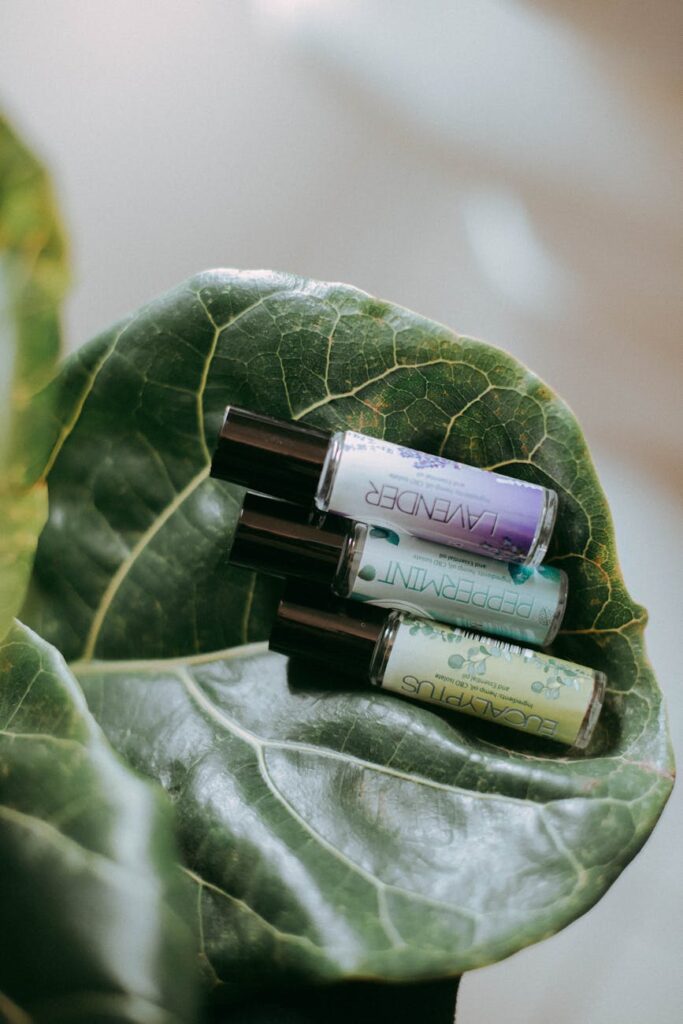
Aromatherapy Uses of Essential Oil Blends for Sleep
Introduction
In today’s fast-paced world, many individuals struggle with sleep-related issues, from insomnia to restless nights. Aromatherapy, an ancient practice that utilizes the natural properties of essential oils, has emerged as a popular alternative to promote relaxation and improve sleep quality. This article explores the uses of essential oil blends specifically formulated for sleep, discussing their benefits, applications, and safety considerations.
What Is Essential Oil Blends for Sleep?
Essential oil blends for sleep are carefully crafted mixtures of various essential oils known for their calming and sedative properties. These blends often include oils derived from plants, flowers, and herbs that have been traditionally associated with relaxation and tranquility. The synergistic effects of combining specific oils can enhance their individual benefits, creating a more profound impact on promoting restful sleep.
Common essential oils found in sleep blends include:
- Lavender: Renowned for its soothing effects.
- Bergamot: Known to reduce anxiety and improve mood.
- Sandalwood: Often used to calm the mind and promote relaxation.
- Cedarwood: Valued for its grounding properties.
- Chamomile: Frequently associated with enhanced sleep quality.
- Diffusion: Using an essential oil diffuser is one of the most effective methods for dispersing the scent throughout a room. This method allows for a continuous release of the blend, creating a calming environment.
- Topical Application: Diluting essential oil blends in a carrier oil (such as coconut or jojoba oil) and applying them to pulse points (wrists, neck, or behind the ears) can enhance their calming effects.
- Bath Soaks: Adding essential oil blends to a warm bath can provide both physical relaxation and aromatic benefits, making it an ideal pre-sleep ritual.
- Pillow Sprays: Creating a pillow spray with essential oil blends allows for a gentle infusion of soothing scents directly where they are needed most.
- Massage Blends: Incorporating essential oils into massage oils can promote relaxation and relieve tension in the body, further aiding sleep.
- Cool, Dark Place: Store essential oils in a cool, dark place away from direct sunlight and heat, which can degrade their quality.
- Dark Glass Bottles: Use dark glass bottles to protect oils from light, as exposure can lead to oxidation.
- Tightly Sealed: Ensure bottles are tightly sealed when not in use to prevent evaporation and contamination.
Key Benefits and Properties
The effectiveness of essential oil blends for sleep is attributed to their various properties:
1. Calming Effects: Many essential oils possess calming properties that can help ease tension and anxiety, making it easier to transition into a state of relaxation.
2. Mood Enhancement: Certain oils can uplift mood and reduce feelings of stress, which may contribute to a more peaceful night’s sleep.
3. Promoting Relaxation: The inhalation of soothing scents can trigger the brain to release neurotransmitters that promote relaxation, helping to wind down after a hectic day.
4. Creating a Sleep-Inducing Environment: The aroma of essential oils can create a serene atmosphere, signaling the body that it is time to rest.
5. Improving Sleep Quality: Regular use of sleep-focused essential oil blends can lead to deeper, more restorative sleep cycles.
Common Uses
Essential oil blends for sleep can be utilized in various ways to maximize their benefits:
Aromatherapy Applications
Different aromatherapy applications can enhance the efficacy of essential oil blends for sleep:
1. Diffusers
Diffusers are devices designed to disperse essential oils into the air. They can be used throughout the night to create a calming environment. To use a diffuser, simply add water and a few drops of the chosen essential oil blend, and let it work its magic.
2. Inhalation
Inhalation is a simple yet effective method to experience the benefits of essential oils. Place a few drops of the blend on a tissue or cotton ball and inhale deeply, allowing the scents to fill the lungs and promote relaxation.
3. Massage
Incorporating essential oils into massage can be a powerful way to release tension. Mixing the essential oil blend with a carrier oil, a gentle massage on the shoulders, neck, and feet can provide a soothing experience, signaling the body to unwind.
4. Bathing Rituals
Adding essential oils to a warm bath can be a sensory delight. Mix a few drops of the essential oil blend with a carrier oil or Epsom salts before adding it to the water to enhance relaxation during bath time.
5. Sleep Masks
For a more intimate experience, consider creating a sleep mask infused with essential oils. Adding a few drops of the blend to the mask can provide a calming aroma while blocking out light during sleep.
Safety Considerations
While essential oils are generally safe when used correctly, it is important to follow safety guidelines:
1. Dilution: Essential oils should be diluted with a carrier oil before topical application to avoid skin irritation.
2. Patch Test: Conduct a patch test to check for any allergic reactions or sensitivities, especially if applying to the skin.
3. Consultation: Pregnant women, nursing mothers, and individuals with underlying health conditions should consult a healthcare professional before using essential oils.
4. Quality Matters: Use high-quality essential oils from reputable sources to ensure purity and effectiveness.
5. Avoid Ingestion: Essential oils should not be ingested unless specifically directed by a qualified professional.
Storage and Shelf Life
Proper storage of essential oils is essential for maintaining their potency and effectiveness. Here are some tips:
The shelf life of essential oils varies depending on the type, but generally, they can last from one to five years. Always check for changes in scent, color, or consistency to determine if an oil has gone bad.
Frequently Asked Questions
1. Can essential oil blends guarantee a good night’s sleep?
While essential oil blends can promote relaxation and create a soothing atmosphere, they are not guaranteed solutions for sleep issues. Individual responses to essential oils may vary.
2. How many drops of essential oil should I use in a diffuser?
Typically, three to five drops of essential oil blend are sufficient for a standard-sized diffuser. Adjust according to personal preference and the size of the space.
3. Can I use essential oils if I have allergies?
Individuals with allergies should exercise caution and consider consulting with a healthcare professional before using essential oils. Conducting patch tests can help determine sensitivities.
4. Are there any essential oils to avoid during pregnancy?
Certain essential oils, such as sage, rosemary, and basil, should be avoided during pregnancy due to their strong properties. Always consult a healthcare professional for guidance.
5. How often can I use essential oil blends for sleep?
Essential oil blends can be used nightly as part of a bedtime routine. However, it’s important to listen to your body and adjust usage based on individual needs and sensitivities.
Conclusion
Essential oil blends for sleep offer a natural approach to enhancing relaxation and promoting restful sleep. While the effectiveness of these blends varies among individuals, their calming properties and pleasant aromas can significantly contribute to creating a peaceful environment conducive to sleep. By understanding the various applications and safety considerations, individuals can incorporate these aromatic tools into their nightly routines, paving the way for improved sleep quality and overall well-being.