
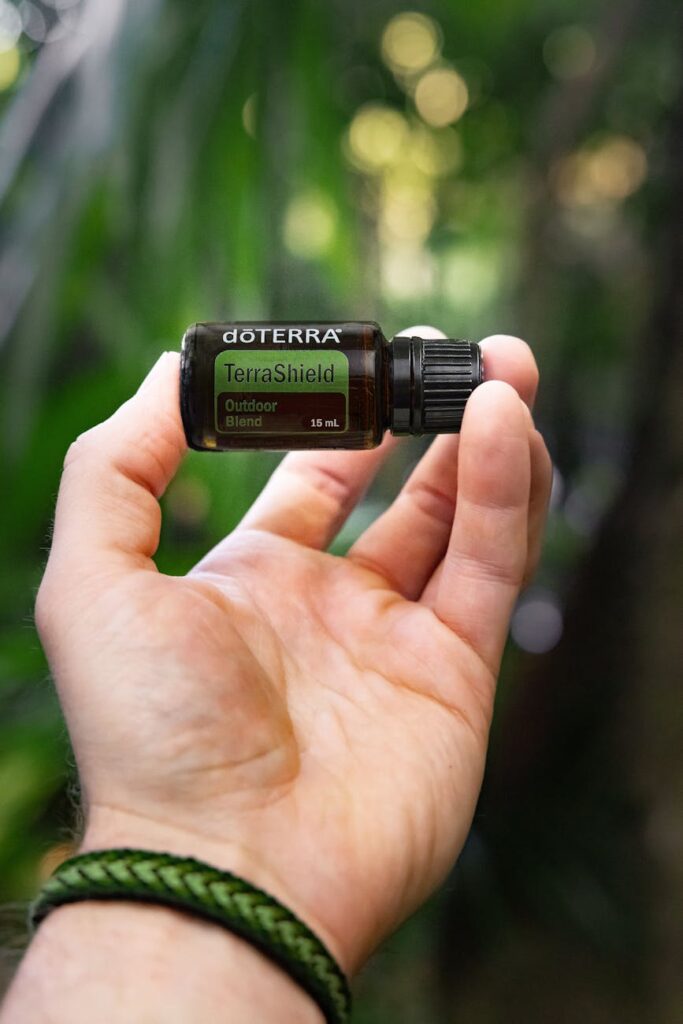
Aromatherapy Uses of Essential Oil Blends
Introduction
Aromatherapy, the practice of using essential oils for therapeutic purposes, has gained popularity worldwide for its potential to enhance well-being and promote relaxation. Central to this practice is the concept of essential oil blends—combinations of two or more essential oils that work synergistically to amplify their individual benefits. This article explores the uses, benefits, and applications of essential oil blends in aromatherapy, providing a comprehensive understanding of their role in holistic health.
What Is Essential Oil Blends?
Essential oil blends are mixtures of various essential oils, each selected for its unique aromatic and therapeutic properties. These blends can be created with specific intentions in mind, such as relaxation, energy enhancement, or mood lifting. By combining different essential oils, practitioners can harness the complementary effects of each oil, leading to a more profound impact than single oils alone.
For example, a blend might include lavender for its calming properties, peppermint for its invigorating effects, and lemon for its uplifting aroma. The art of blending requires knowledge of the characteristics of each oil, including their scent profiles, therapeutic properties, and potential interactions.
Key Benefits and Properties
Essential oil blends offer a myriad of benefits, which can vary depending on the oils used. Some key properties include:
1. Aromatherapy Effects: Different oils evoke various emotional and psychological responses. Citrus oils, like bergamot and lemon, are often uplifting, while florals like rose and chamomile can promote relaxation.
2. Synergistic Action: When oils are blended, their effects can complement and enhance each other. For example, combining eucalyptus with tea tree oil may enhance respiratory support.
3. Versatility: Essential oil blends can be adapted for a wide range of uses—from personal care products to household cleaning solutions, making them highly versatile.
4. Customization: Blends can be tailored to individual needs and preferences, allowing for a personalized approach to aromatherapy.
Common Uses
Essential oil blends can be employed in various applications, including:
- Diffusion: Using an essential oil diffuser, blends can fill a room with aroma, enhancing mood and ambiance.
- Massage: Diluted blends can be used in massage oils to promote relaxation and relieve tension.
- Bathing: Adding essential oil blends to bathwater can create a soothing spa-like experience.
- Inhalation: Direct inhalation of blended oils can provide immediate aromatic benefits.
- Topical Applications: Blends can be diluted with carrier oils and applied to the skin, targeting specific areas for relaxation or rejuvenation.
- Dilution: Essential oils are highly concentrated and should be diluted with a carrier oil (like jojoba or coconut oil) before topical application to reduce the risk of skin irritation.
- Skin Sensitivity: Conduct a patch test before applying a new blend to ensure no allergic reactions or sensitivities occur.
- Pregnancy and Nursing: Pregnant or nursing individuals should consult a qualified practitioner before using essential oils, as some oils may not be safe during these periods.
- Children and Pets: Certain essential oils can be harmful to children and pets. Always research and choose oils that are considered safe for use around them.
- Medical Conditions: If you have any pre-existing medical conditions or are taking medications, consult with a healthcare provider familiar with aromatherapy to avoid potential interactions.
- Containers: Store blends in dark glass bottles (amber or cobalt) to protect them from light, which can degrade the oils.
- Temperature: Keep oils in a cool, dry place away from direct sunlight and heat sources.
- Shelf Life: Essential oil blends generally have a shelf life of 1 to 3 years, depending on the oils used. Citrus oils tend to have a shorter shelf life compared to more stable oils like sandalwood or patchouli.
Aromatherapy Applications
1. Stress Relief and Relaxation
Blends typically used for stress relief might include lavender, bergamot, and frankincense. These oils are known to create a calming environment, helping to reduce anxiety and promote relaxation.
2. Energy and Invigoration
For those seeking an energy boost, blends containing citrus oils (like orange and grapefruit), peppermint, and rosemary can provide an uplifting aroma, helping to stimulate the mind and body.
3. Sleep Enhancement
Blends aimed at promoting restful sleep often feature calming oils like chamomile, cedarwood, and vetiver. These oils can create a serene atmosphere conducive to sleep.
4. Immune Support
Certain blends may be formulated to support the immune system, commonly including oils like tea tree, eucalyptus, and lemon. These oils are often associated with cleansing and purifying properties.
5. Focus and Concentration
For enhancing focus, blends containing peppermint, basil, and lemon can be beneficial. These oils may help improve clarity and concentration, making them suitable for study or work environments.
Safety Considerations
While essential oil blends can offer numerous benefits, it is crucial to approach their use with safety in mind. Here are some considerations:
Storage and Shelf Life
Proper storage is essential to maintain the integrity and potency of essential oil blends. Here are some guidelines:
Frequently Asked Questions
1. Can I create my own essential oil blends?
Yes, creating your own blends can be a rewarding experience. Start by selecting oils that resonate with your desired outcome, and experiment with different ratios to find a blend that suits your preferences.
2. How do I know which essential oils to blend?
Consider the specific benefits you are looking for, as well as the scent profiles you enjoy. Research the properties of various oils and experiment with combinations that appeal to you.
3. Can I use essential oil blends in cooking?
While some essential oils are safe for culinary use, many are not. Only use oils specifically labeled as food-grade, and consult reputable sources for guidance.
4. How can I incorporate essential oil blends into my daily routine?
Essential oil blends can be easily integrated into daily life through diffusion, personal care products, or even added to bath rituals. The key is to find what works best for you and your lifestyle.
5. Are there any essential oils that should never be blended?
Some oils may have contraindications or may not blend well with others. Research and caution are essential when selecting oils, especially if you are new to aromatherapy.
Conclusion
Essential oil blends play a significant role in aromatherapy, offering diverse benefits and applications for enhancing well-being. By understanding the properties of individual oils and how they work together, practitioners can create customized blends tailored to their unique needs. As with any holistic practice, it is essential to approach the use of essential oils with knowledge and respect, ensuring a safe and enriching experience. Whether for stress relief, energy enhancement, or emotional balance, essential oil blends can be a valuable tool in the journey toward holistic health.