
Aromatherapy Uses of Essential Oils
Introduction
Aromatherapy, a holistic practice that utilizes the natural aromatic compounds found in essential oils, has been cherished for centuries across various cultures. This technique employs the unique scents of these oils to enhance physical, emotional, and psychological well-being. As interest in natural remedies continues to grow, an understanding of essential oils and their applications in aromatherapy becomes increasingly relevant. This article explores what essential oils are, their properties and benefits, common uses, applications in aromatherapy, safety considerations, and storage practices.
What Are Essential Oils?
Essential oils are concentrated plant extracts obtained through various methods, including steam distillation, cold pressing, and solvent extraction. These oils capture the plant’s scent, flavor, and therapeutic properties, making them a potent component of aromatherapy. Each essential oil possesses a unique chemical composition, which contributes to its distinct aroma and effects.
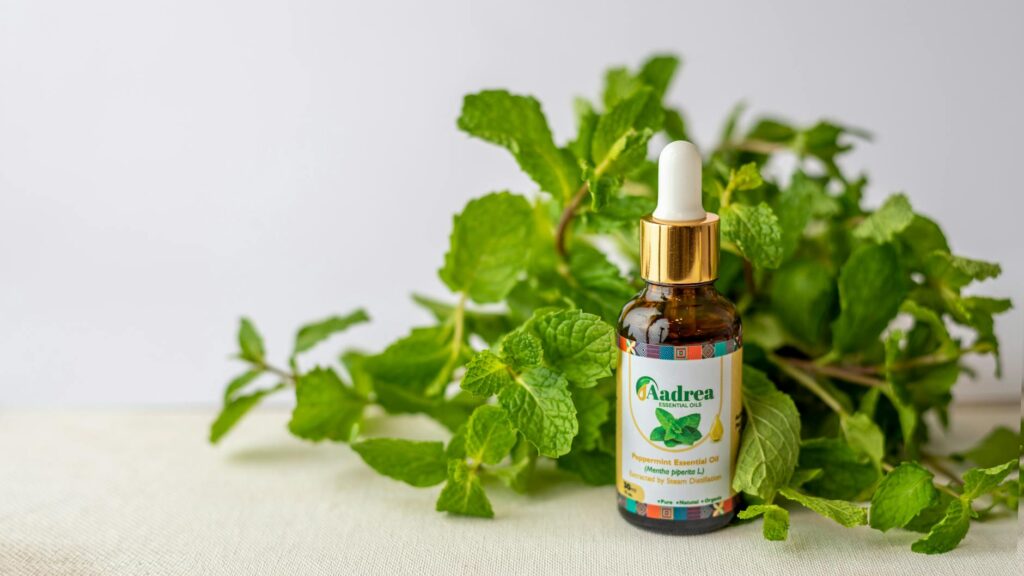
For example, lavender essential oil, extracted from the flowers of the Lavandula angustifolia plant, is well-known for its calming aroma, while peppermint oil, derived from Mentha piperita, is often associated with invigorating and refreshing properties.
Key Benefits and Properties
Essential oils encompass a wide array of benefits and properties that can support various aspects of well-being. Some of the key benefits include:
1. Emotional Support: Many essential oils have been found to influence mood positively. Scents like bergamot and ylang-ylang are often associated with stress relief and feelings of happiness.
2. Relaxation and Sleep: Oils such as chamomile and cedarwood are frequently used to promote relaxation and improve sleep quality.
3. Mental Clarity and Focus: Certain oils, including rosemary and lemon, are believed to enhance concentration and cognitive function.
4. Physical Comfort: Some essential oils, such as eucalyptus and tea tree, are used for their perceived ability to ease discomfort associated with common ailments.
5. Immune Support: Oils like oregano and thyme are often cited for their potential to support the immune system.
Common Uses
Essential oils can be utilized in a variety of ways, depending on individual preferences and specific needs. Common uses include:
- Diffusion: Using an essential oil diffuser allows for the gradual release of aromatic compounds into the air, creating a pleasant atmosphere and enhancing mood.
- Topical Application: Essential oils can be diluted with carrier oils, such as coconut or jojoba oil, for direct application to the skin. This method is often used for localized benefits.
- Baths: Adding a few drops of essential oil to bathwater can create a soothing and aromatic experience.
- Massage: When blended with carrier oils, essential oils can enhance the benefits of massage therapy by providing relaxation and relief to muscles.
- Household Cleaning: Some essential oils, such as lemon and tea tree, possess antibacterial properties and can be incorporated into natural cleaning products.
- Dilution: Essential oils should always be diluted with a carrier oil before topical application to minimize the risk of skin irritation or allergic reactions.
- Patch Testing: Before using a new essential oil, perform a patch test on a small area of skin to check for potential reactions.
- Avoiding Ingestion: Ingesting essential oils is not recommended without the guidance of a qualified professional, as some oils can be toxic when consumed.
- Pregnancy and Nursing: Certain essential oils may not be safe for use during pregnancy or breastfeeding. Consultation with a healthcare professional is advised.
- Children and Pets: Some essential oils can be harmful to children and pets. It is crucial to research the safety of specific oils before use around them.
- Keep Away from Light: Store essential oils in dark glass bottles to protect them from light exposure, which can degrade their quality over time.
- Cool and Dry Environment: Essential oils should be stored in a cool, dry place to prevent evaporation or oxidation.
- Shelf Life: The shelf life of essential oils varies depending on the type. Citrus oils generally have a shorter shelf life (about 1-2 years), while oils like patchouli and sandalwood can last for several years if stored correctly.
Aromatherapy Applications
Aromatherapy offers a diverse range of applications that cater to various needs. Here are some popular methods:
1. Inhalation
Inhaling essential oils can be done directly from the bottle or through a diffuser. This method allows the aroma to stimulate the olfactory receptors, influencing emotions and mood.
2. Baths and Compresses
Essential oils can be added to warm bathwater for relaxation or mixed with a carrier oil for use in warm or cold compresses. This method can help alleviate tension and discomfort.
3. Massage
By incorporating essential oils into massage, practitioners can enhance the therapeutic benefits of touch. The synergy of the oil and the physical manipulation of the muscles can create a deeply relaxing experience.
4. Skincare
Certain essential oils, such as tea tree and lavender, are used in skincare routines for their potential benefits on the skin. However, they should always be diluted with a carrier oil to prevent irritation.
5. Household Use
Essential oils can be added to cleaning products or used in natural air fresheners. Their pleasant aroma, along with potential antibacterial properties, makes them a popular choice for maintaining a fresh and clean environment.
Safety Considerations
While essential oils are generally considered safe when used appropriately, certain precautions should be taken:
Storage and Shelf Life
Proper storage of essential oils is essential to maintain their potency and effectiveness. Here are some guidelines:
Frequently Asked Questions
Q: How do I choose the right essential oil for my needs?
A: Selecting the right essential oil often depends on personal preferences and desired effects. Research the properties of various oils, and consider what you hope to achieve, whether it’s relaxation, increased focus, or emotional support.
Q: Can I use essential oils every day?
A: Many people incorporate essential oils into their daily routines. However, it is wise to vary the oils used and pay attention to how your body responds. Some oils should be used sparingly, while others can be part of a daily practice.
Q: Are there any essential oils that I should avoid?
A: Yes, certain essential oils may be irritating or harmful. For example, oils like cinnamon and clove can be very intense and may cause skin irritation. Always research specific oils and consult with a knowledgeable professional if you have concerns.
Q: Can I mix essential oils?
A: Yes, blending essential oils can create unique scents and enhance their effects. However, it is important to understand the properties of each oil and how they might interact.
Q: How can I learn more about essential oils and aromatherapy?
A: Numerous resources, including books, online courses, and workshops, are available for those interested in deepening their knowledge of essential oils and aromatherapy. Joining local groups or online communities can also provide valuable insights.
Conclusion
Essential oils have captured the interest of individuals seeking natural solutions for enhancing well-being. Understanding the properties, benefits, and safe applications of these potent plant extracts can empower individuals to integrate aromatherapy into their lives. As with any holistic practice, informed use and respect for the oils’ potency are vital to maximizing their benefits. Whether through inhalation, topical application, or household use, the aromatic world of essential oils offers a multitude of possibilities for personal growth and emotional support.