
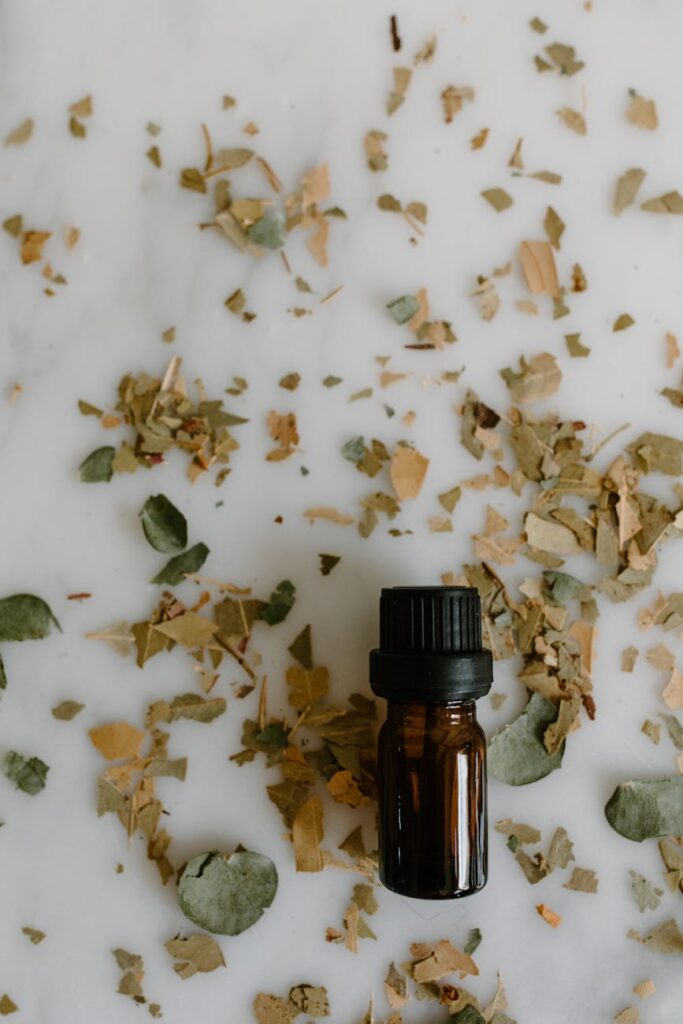
Aromatherapy Uses of Eucalyptus Oil
Introduction
Aromatherapy, an ancient practice that utilizes the aromatic properties of essential oils, has gained popularity in modern wellness routines. Among the myriad of essential oils available, eucalyptus oil stands out for its refreshing scent and diverse applications. This article delves into the characteristics, benefits, and various uses of eucalyptus oil in aromatherapy, providing a comprehensive overview for those interested in exploring its potential.
What Is Eucalyptus Oil?
Eucalyptus oil is derived from the leaves of eucalyptus trees, primarily from the species Eucalyptus globulus, commonly known as the blue gum tree. Native to Australia, eucalyptus trees are characterized by their tall stature and aromatic foliage. The extraction of eucalyptus oil typically involves steam distillation, a process that captures the essence of the leaves while preserving their beneficial compounds.
Eucalyptus oil is known for its distinct, fresh, and invigorating scent, which can evoke feelings of clarity and renewal. The oil is colorless to pale yellow and has a thin consistency, making it suitable for various aromatic applications.
Key Benefits and Properties
Eucalyptus oil is celebrated for its numerous properties, which include:
1. Antimicrobial: Eucalyptus oil has been shown to possess antimicrobial qualities, making it a popular choice for cleaning and purifying spaces.
2. Anti-inflammatory: The oil may help in reducing inflammation, contributing to its use in muscle rubs and topical applications.
3. Respiratory Aid: Eucalyptus oil is commonly associated with respiratory health, as its scent may help to open airways and ease breathing.
4. Mental Clarity: The invigorating aroma of eucalyptus oil is believed to enhance focus and mental clarity, making it a popular choice for study and work environments.
5. Mood Enhancer: The uplifting scent of eucalyptus can help alleviate feelings of anxiety and promote a sense of well-being.
6. Analgesic: Eucalyptus oil may provide relief from minor aches and pains, making it a sought-after ingredient in massage oils and balms.
Common Uses
Eucalyptus oil’s versatility allows it to be used in various ways, including:
1. Diffusion: Adding eucalyptus oil to a diffuser can create a refreshing and invigorating atmosphere, enhancing mental clarity and promoting relaxation.
2. Topical Application: When diluted with a carrier oil, eucalyptus oil can be applied to the skin for its soothing properties. It is often used in massage oils to help alleviate muscle tension.
3. Bath Products: Eucalyptus oil can be incorporated into bath salts or oils, providing a relaxing and aromatic experience.
4. Household Cleaning: Due to its antimicrobial properties, eucalyptus oil is often included in homemade cleaning solutions, providing a fresh scent while helping to disinfect surfaces.
5. Inhalation: Inhaling the aroma of eucalyptus oil directly from the bottle or through steam inhalation can promote respiratory wellness.
Aromatherapy Applications
In aromatherapy, eucalyptus oil is utilized in various settings and methods to harness its therapeutic properties. Here are some popular applications:
1. Diffusers and Nebulizers
Using a diffuser or nebulizer is one of the most effective ways to experience the benefits of eucalyptus oil. By dispersing the oil into the air, individuals can enjoy its invigorating aroma and potential respiratory benefits. This method is particularly beneficial in closed environments, such as offices or homes.
2. Massage Oils
When blended with a carrier oil, eucalyptus oil can be used in massage therapies to alleviate muscle tension and promote relaxation. It is often included in sports massage oils to help soothe sore muscles post-exercise.
3. Steam Inhalation
Steam inhalation is a popular method for respiratory support. Adding a few drops of eucalyptus oil to hot water can create a soothing steam that may help clear nasal passages and enhance breathing. This practice is especially useful during cold seasons or in cases of congestion.
4. Bathing Rituals
Incorporating eucalyptus oil into bathing rituals can transform a simple bath into a rejuvenating experience. A few drops added to bathwater can create a spa-like atmosphere, promoting relaxation and stress relief.
5. Potpourri and Scented Candles
Eucalyptus oil can be used in homemade potpourri or scented candles, adding a fresh aroma to living spaces. This method not only enhances the ambiance but also benefits from the oil’s potential therapeutic properties.
6. Air Fresheners
Homemade air fresheners made with eucalyptus oil can help purify the air in homes or offices. Combining it with other essential oils, such as lavender or lemon, can create a pleasant and invigorating scent.
Safety Considerations
While eucalyptus oil is generally considered safe for use in aromatherapy, it is essential to adhere to certain safety guidelines:
1. Dilution: Eucalyptus oil should always be diluted with a carrier oil before applying it to the skin to avoid irritation.
2. Pregnancy and Nursing: Pregnant or nursing individuals should consult healthcare professionals before using eucalyptus oil.
3. Children: Eucalyptus oil is not recommended for children under two years of age. For older children, ensure proper dilution and consult with a healthcare provider.
4. Allergic Reactions: Conduct a patch test before using eucalyptus oil topically to check for potential allergic reactions.
5. Medical Conditions: Individuals with certain health conditions, such as asthma or epilepsy, should exercise caution and seek advice from a healthcare provider before using eucalyptus oil.
Storage and Shelf Life
To maintain the quality and potency of eucalyptus oil, proper storage is essential. Here are some guidelines:
1. Dark Glass Containers: Store eucalyptus oil in dark glass bottles to protect it from light exposure, which can degrade its quality.
2. Cool, Dry Place: Keep the oil in a cool, dry environment, away from direct sunlight and heat sources.
3. Tightly Sealed: Ensure that the bottle is tightly sealed to prevent oxidation and evaporation.
The shelf life of eucalyptus oil is typically between three to five years when stored correctly. However, always check for changes in aroma or consistency before use.
Frequently Asked Questions
1. Can eucalyptus oil be ingested?
Eucalyptus oil is primarily used for external applications and aromatherapy. Ingestion is not recommended without the guidance of a qualified healthcare professional.
2. What are the best blends for eucalyptus oil?
Eucalyptus oil blends well with other essential oils such as lavender, peppermint, tea tree, and lemon. These combinations can enhance its aromatic profile and therapeutic benefits.
3. Is eucalyptus oil safe for pets?
Eucalyptus oil can be toxic to pets, particularly cats and dogs. Always consult with a veterinarian before using eucalyptus oil in a household where pets are present.
4. How can I incorporate eucalyptus oil into my skincare routine?
To incorporate eucalyptus oil into skincare, mix a few drops with a carrier oil, such as jojoba or coconut oil, for use in massage or as a facial oil. Always perform a patch test first.
5. What are the environmental considerations regarding eucalyptus oil?
Sustainable sourcing is crucial in the production of eucalyptus oil. Opt for oils that are ethically sourced and produced with environmentally friendly practices.
Conclusion
Eucalyptus oil is a versatile and aromatic essential oil with a rich history in aromatherapy. Its invigorating scent, combined with its potential therapeutic properties, makes it a valuable addition to wellness practices. Whether used in diffusers, massage oils, or homemade cleaning solutions, eucalyptus oil offers a unique sensory experience that can enhance physical and emotional well-being. As with all essential oils, it is essential to use eucalyptus oil responsibly and with proper knowledge to maximize its benefits while ensuring safety.