
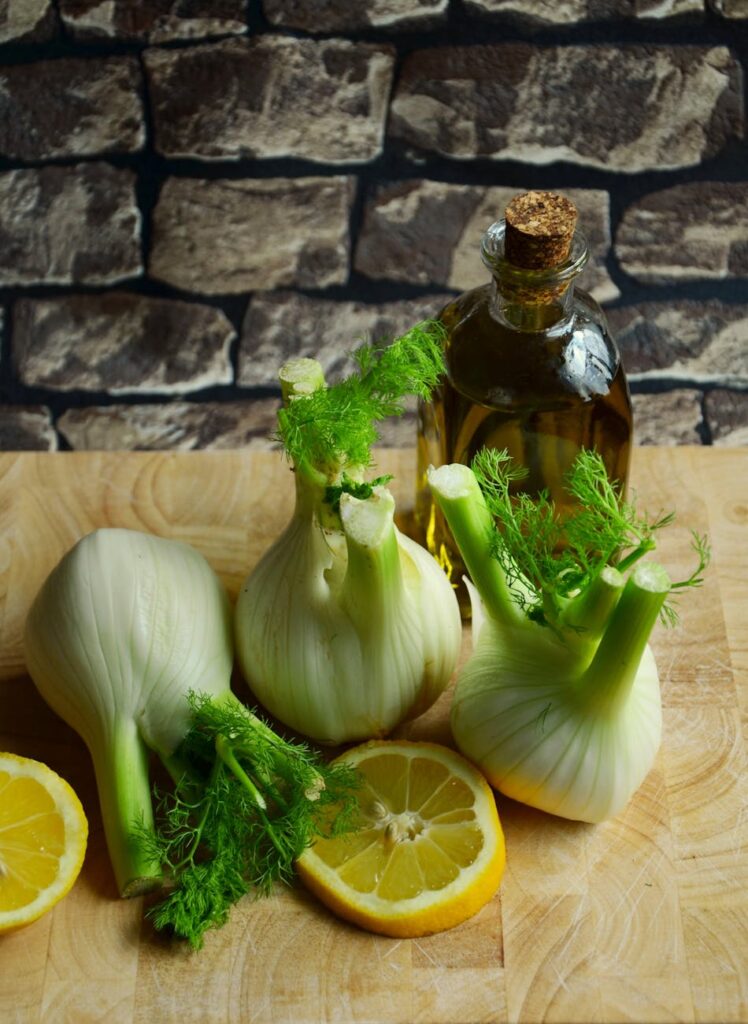
Aromatherapy Uses of Fennel Oil
Introduction
Aromatherapy, a holistic healing practice that utilizes the aromatic properties of essential oils, has gained popularity in recent years for its potential to enhance well-being. Among the myriad of essential oils available, fennel oil stands out for its unique composition and versatility. Extracted from the seeds of the fennel plant (Foeniculum vulgare), fennel oil has been used for centuries in various cultures, not only for culinary purposes but also for its therapeutic properties. This article delves into the essential aspects of fennel oil, including its benefits, common uses, applications in aromatherapy, safety considerations, and storage tips.
What Is Fennel Oil?
Fennel oil is derived from the seeds of the fennel plant, a perennial herb native to the Mediterranean region but now cultivated in various parts of the world. The oil is obtained through steam distillation, capturing the aromatic compounds that give fennel its distinct licorice-like scent. Fennel oil contains a variety of active constituents, including anethole, fenchone, and estragole, which contribute to its therapeutic properties. The oil is characterized by its warm, sweet, and spicy aroma, making it a popular choice in both culinary and aromatic applications.
Key Benefits and Properties
Fennel oil boasts a range of beneficial properties that contribute to its use in aromatherapy:
1. Antimicrobial Activity: Fennel oil has demonstrated antimicrobial properties, which can help in inhibiting the growth of various bacteria and fungi.
2. Digestive Aid: Traditionally, fennel has been used to support digestive health, and its oil is believed to possess carminative properties that may relieve gas and bloating.
3. Antioxidant Properties: Fennel oil contains antioxidants that help combat oxidative stress, which can contribute to cellular damage.
4. Hormonal Balance: Some studies suggest that fennel oil may have phytoestrogenic effects, potentially aiding in hormonal balance.
5. Mood Enhancer: The uplifting scent of fennel oil is thought to promote feelings of relaxation and improve mood.
Common Uses
Fennel oil is versatile in its applications, making it a valuable addition to both aromatherapy and personal care products. Common uses include:
- Culinary Uses: Fennel oil can be used in cooking to impart a sweet, anise-like flavor to dishes, though it should be used sparingly due to its potency.
- Personal Care: The oil can be found in various personal care products, such as soaps, shampoos, and lotions, thanks to its pleasant aroma and skin benefits.
- Household Cleaning: Due to its antimicrobial properties, fennel oil can be incorporated into natural cleaning solutions.
- Dilution: Always dilute fennel oil with a suitable carrier oil before applying it to the skin to reduce the risk of irritation.
- Pregnancy and Nursing: Pregnant or nursing women should consult a healthcare professional before using fennel oil, as its hormonal properties may not be suitable during these periods.
- Allergies: Individuals with allergies to plants in the Apiaceae family, which includes carrots, celery, and parsley, should avoid fennel oil.
- Children: Fennel oil is not recommended for use on infants or young children without professional guidance.
- Consultation: Those with existing health conditions, particularly hormone-sensitive conditions, should consult a healthcare professional before using fennel oil.
- Container: Store fennel oil in a dark glass bottle to protect it from light exposure, which can degrade its quality.
- Temperature: Keep the oil in a cool, dry place, away from heat sources and direct sunlight.
- Shelf Life: When stored correctly, fennel oil typically has a shelf life of 3 to 5 years. It’s advisable to check the oil for any changes in smell or appearance before using it, as these may indicate its degradation.
Aromatherapy Applications
Fennel oil is used in aromatherapy through several methods, each designed to harness its therapeutic properties:
1. Diffusion: One of the most common ways to enjoy fennel oil is through diffusion. Adding a few drops to an essential oil diffuser can fill a room with its warm, comforting scent, creating a calming atmosphere.
2. Inhalation: For a quick mood boost or to ease digestive discomfort, inhaling fennel oil directly from the bottle or from a cotton ball can be effective.
3. Topical Application: When diluted with a carrier oil, fennel oil can be applied to the skin to target specific areas of discomfort, such as the abdomen for digestive support.
4. Bathing: Adding fennel oil to bathwater can enhance relaxation and provide a soothing experience. It’s advisable to mix it with a carrier oil or emulsifier to ensure it disperses evenly in the water.
5. Massage: Incorporating fennel oil into massage blends can enhance the therapeutic effects of the treatment, particularly for digestive or muscle-related issues.
Safety Considerations
While fennel oil is generally considered safe for use in aromatherapy, it is essential to take certain precautions:
Storage and Shelf Life
Proper storage of fennel oil is crucial to maintaining its quality and potency. Here are some tips for optimal storage:
Frequently Asked Questions
1. Can fennel oil be ingested?
While fennel oil is used in culinary applications, it should only be ingested in small amounts and under the guidance of a qualified professional. Always ensure that the oil is food-grade if considering internal use.
2. How can I use fennel oil for digestive issues?
In aromatherapy, inhaling fennel oil or using it in a topical blend for abdominal massage may provide some relief. However, it is essential to consult with a healthcare professional for tailored advice.
3. Is fennel oil safe for pets?
Fennel oil can be toxic to pets, especially cats. It’s advisable to consult a veterinarian before using fennel oil in environments where pets are present.
4. Can fennel oil be used in skincare?
Fennel oil can be beneficial in skincare when properly diluted with a carrier oil. However, it’s essential to perform a patch test to check for any allergic reactions.
5. What are the best essential oils to blend with fennel oil?
Fennel oil blends well with other essential oils such as sweet orange, lavender, and chamomile, enhancing its aromatic profile and therapeutic effects.
Conclusion
Fennel oil is a versatile and aromatic essential oil with a rich history of use in both culinary and therapeutic applications. Its unique properties, ranging from digestive support to mood enhancement, make it a valuable addition to the practice of aromatherapy. However, it is crucial to use fennel oil safely and responsibly, considering potential allergies and individual health conditions. By understanding its benefits and applications, individuals can incorporate fennel oil into their wellness routines, enriching their aromatherapy experiences.