
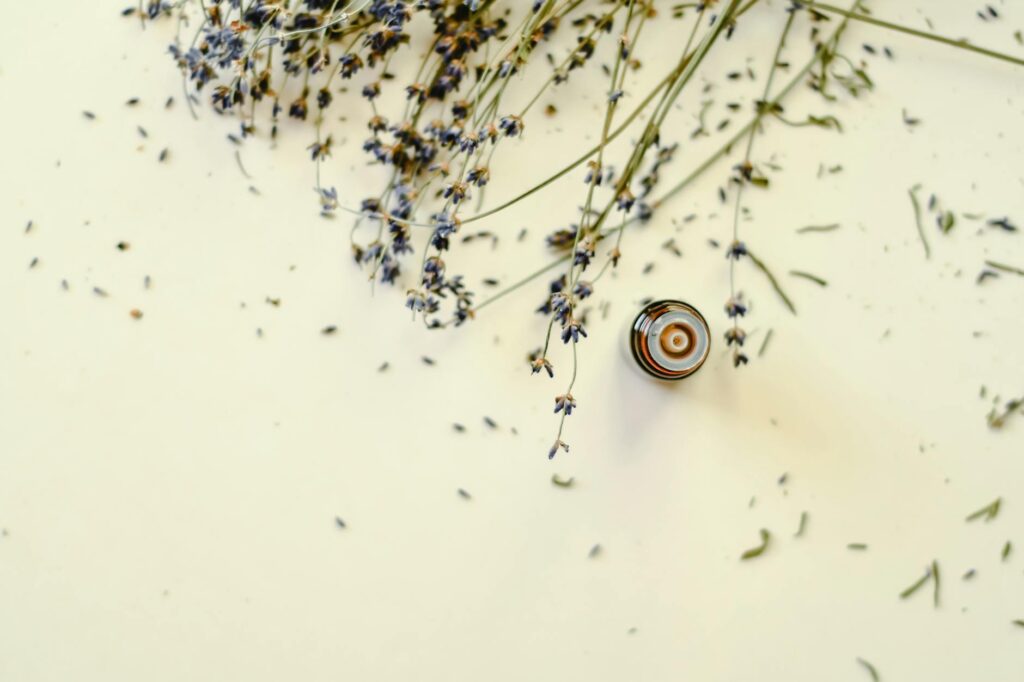
Aromatherapy Uses of Floral Hydrolats
Introduction
Aromatherapy, a holistic healing practice that utilizes the aromatic properties of plants, has gained significant popularity in recent years. Among the various products used in this practice, floral hydrolats stand out for their gentle yet effective nature. Floral hydrolats, often referred to as hydrosols, are by-products of the steam distillation process used to extract essential oils. These aromatic waters capture the essence of the plant, making them versatile for a range of applications in aromatherapy. This article explores the nature of floral hydrolats, their key benefits, common uses, and safety considerations.
What Is Floral Hydrolats?
Floral hydrolats are aqueous solutions that contain the water-soluble components of plants, produced during the distillation of essential oils. When plant materials, such as flowers or leaves, are subjected to steam distillation, the steam carries volatile compounds from the plant. Once cooled, the steam condenses into water, separating the essential oil from the hydrolat.
Unlike essential oils, which are highly concentrated and potent, hydrolats are milder and can be used safely in a variety of applications. They retain many of the beneficial properties of their source plants while providing a more subtle aroma and therapeutic effect.
Key Benefits and Properties
Floral hydrolats possess a range of benefits and properties that make them valuable in aromatherapy:
1. Gentle and Safe: Due to their lower concentration of active compounds, hydrolats are suitable for all skin types, including sensitive skin. They can be used on children and during pregnancy, although it’s always best to consult with a qualified practitioner.
2. Hydration: Hydrolats are excellent for hydrating the skin. They can be used as facial mists or added to lotions and creams to enhance moisture retention.
3. Aromatic Properties: Each floral hydrolat carries a unique scent profile that reflects its botanical source. This makes them ideal for creating pleasant atmospheres in homes and workplaces.
4. Therapeutic Effects: Many floral hydrolats offer calming, soothing, or uplifting properties, promoting emotional well-being. They can help alleviate stress, anxiety, and fatigue.
5. Cleansing and Toning: Many hydrolats have natural astringent properties, making them effective for cleansing and toning the skin. They can help tighten pores and reduce excess oil.
Common Uses
Floral hydrolats can be applied in various ways, each catering to specific needs and preferences:
1. Facial Mists: Used as refreshing facial sprays, they provide hydration and can be used throughout the day, especially in dry or heated environments.
2. Skin Care: Hydrolats can be incorporated into skincare routines as toners, cleansers, or added to creams and serums.
3. Aromatherapy Diffusion: While less potent than essential oils, hydrolats can be added to diffusers for a subtle aromatic experience.
4. Baths: A few tablespoons of hydrolat can be added to bathwater for a soothing and fragrant soak.
5. Laundry and Home Cleaning: Certain floral hydrolats can impart a pleasant scent to laundry and can be used in homemade cleaning products.
Aromatherapy Applications
Floral hydrolats find diverse applications in aromatherapy, each tailored to specific needs:
1. Lavender Hydrolat
Lavender hydrolat is renowned for its calming properties. It can be used in sleep aids, added to pillows, or sprayed in bedrooms to create a tranquil environment. It is also beneficial for soothing irritated skin and can be applied as a facial mist after sun exposure.
2. Rose Hydrolat
Rose hydrolat is prized for its uplifting aroma and skin-loving properties. It is often used in facial mists to hydrate and tone the skin, while also providing emotional support during times of stress or sadness.
3. Chamomile Hydrolat
With its gentle soothing properties, chamomile hydrolat is excellent for calming irritated skin. It can also be used in relaxation rituals, such as during meditation or yoga, to promote a sense of peace.
4. Peppermint Hydrolat
Peppermint hydrolat offers a refreshing and invigorating scent, making it ideal for use in spaces where focus and clarity are desired. It can also be helpful for easing digestive discomfort when sprayed on the abdomen.
5. Geranium Hydrolat
Geranium hydrolat is known for its balancing properties, particularly for oily or combination skin. It can be used in skincare routines or as a mood enhancer during stressful moments.
Safety Considerations
While floral hydrolats are generally safe for use, there are some important considerations:
- Patch Test: Always conduct a patch test before applying a new hydrolat to ensure there are no allergic reactions or sensitivities.
- Quality Source: Purchase hydrolats from reputable suppliers to ensure purity and quality. Look for organic or sustainably sourced options when possible.
- Storage: Store hydrolats in a cool, dark place to maintain their quality and extend shelf life.
- Consultation: For individuals with specific health concerns, it is advisable to consult with a healthcare professional before using hydrolats, especially during pregnancy or for children.
Storage and Shelf Life
Floral hydrolats typically have a shelf life of 6 months to 2 years, depending on their composition and storage conditions. To ensure longevity:
1. Cool and Dark Environment: Store hydrolats away from direct sunlight and heat sources to prevent degradation.
2. Refrigeration: For optimal freshness, consider refrigerating hydrolats, especially those that are not preserved with additives.
3. Sealed Containers: Ensure that the containers are tightly sealed to prevent contamination and evaporation.
Frequently Asked Questions
1. What is the difference between floral hydrolats and essential oils?
Floral hydrolats are the by-products of essential oil distillation and contain water-soluble components, while essential oils are concentrated extracts of volatile compounds. Hydrolats are milder and can be used safely on the skin, whereas essential oils require dilution and caution.
2. Can I use floral hydrolats in cooking?
While some floral hydrolats are food-safe, it is essential to ensure they are specifically labeled for culinary use. Always consult product labels and guidelines from reputable sources.
3. How do I incorporate floral hydrolats into my skincare routine?
Floral hydrolats can be used as standalone facial mists, added to creams, or used as toners after cleansing. They can also be combined with other skincare ingredients for enhanced benefits.
4. Are floral hydrolats suitable for children?
Most floral hydrolats are considered safe for children due to their gentle nature. However, it is recommended to consult with a healthcare professional before use, especially for very young children.
5. Can I blend different floral hydrolats?
Yes, blending different floral hydrolats can create unique aromatic experiences and therapeutic effects. Experimentation can lead to personalized formulations that suit your preferences.
Conclusion
Floral hydrolats offer a unique and versatile approach to aromatherapy, providing a plethora of benefits without the intensity of essential oils. Their gentle properties make them suitable for various applications, from skincare to emotional support. Understanding their uses, benefits, and safety considerations can enhance your aromatherapy experience, allowing you to appreciate the subtle yet profound gifts of nature. Whether you’re new to aromatherapy or a seasoned practitioner, incorporating floral hydrolats into your routine may enrich your journey toward well-being.