
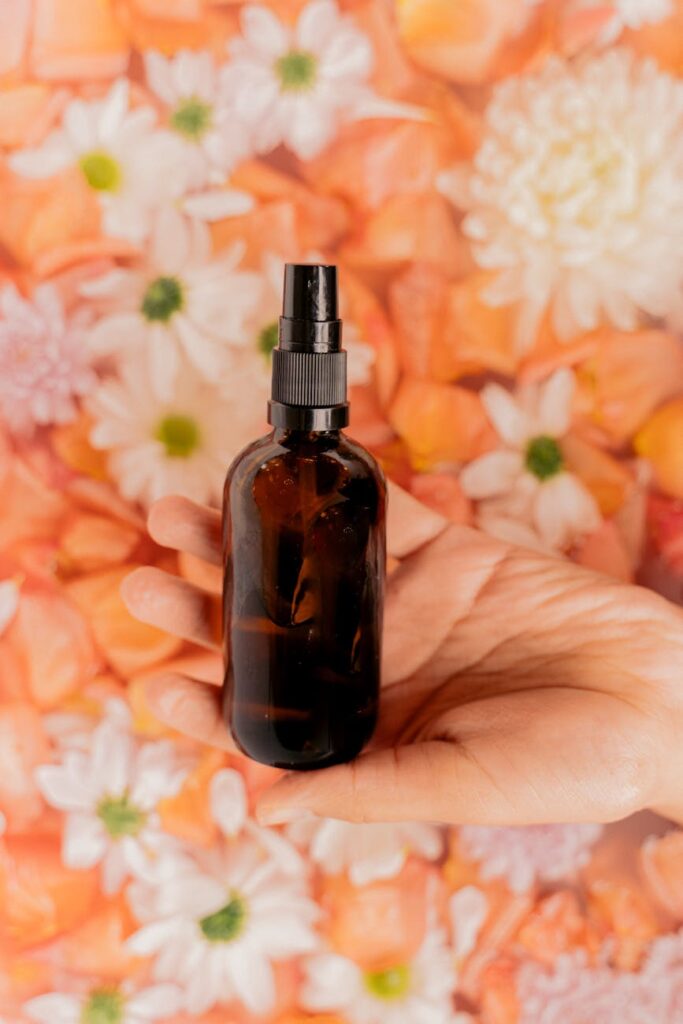
Aromatherapy Uses of Floral Hydrosols for Acne Prevention
Introduction
Aromatherapy has long been recognized as a holistic approach to enhancing well-being, utilizing essential oils derived from plants. Among the various products available, floral hydrosols have gained popularity for their gentle and versatile properties. Often considered a byproduct of essential oil distillation, floral hydrosols are water-based solutions that contain the water-soluble components of plants. This article delves into the specific applications of floral hydrosols for acne prevention, exploring their benefits, uses, and safety considerations.
What Is Floral Hydrosols for Acne Prevention?
Floral hydrosols, also known as flower waters, are created during the steam distillation process of essential oils. When plant materials are steamed, the essential oils are separated from the water, resulting in two distinct products: the essential oil and the hydrosol. While essential oils are highly concentrated and often potent, hydrosols are milder and suitable for a broader range of applications, including skincare.
When it comes to acne prevention, floral hydrosols can serve as soothing toners, cleansers, or refreshing mists. They are particularly favored for their ability to hydrate the skin while offering gentle antibacterial and anti-inflammatory properties.
Key Benefits and Properties
Floral hydrosols boast several key benefits that make them suitable for acne prevention:
1. Antimicrobial Properties
Many floral hydrosols, such as lavender and tea tree, possess antimicrobial properties that help combat the bacteria responsible for acne. This can assist in reducing the occurrence of breakouts and promoting clearer skin.
2. Anti-inflammatory Effects
Hydrosols like chamomile and rose offer anti-inflammatory benefits, helping to calm redness and irritation associated with acne-prone skin. Their soothing properties can alleviate discomfort and promote a more balanced complexion.
3. Hydration
Floral hydrosols provide hydration without the heaviness of oils or creams, making them ideal for oily or combination skin types. They help maintain moisture levels, which is essential for skin health and can prevent the overproduction of sebum.
4. pH Balancing
The natural pH of floral hydrosols closely resembles that of the skin, making them effective for balancing the skin’s acidity. This balance is crucial for maintaining a healthy skin barrier and preventing acne.
5. Aromatherapy Benefits
The aromatic compounds in floral hydrosols can provide psychological benefits, such as stress relief and mood enhancement. Stress is often a contributing factor to skin issues, including acne.
Common Uses
Floral hydrosols can be incorporated into skincare routines in various ways:
1. Facial Toner
Using a floral hydrosol as a toner can help remove residual impurities after cleansing while providing a refreshing sensation. Simply spritz the hydrosol onto a cotton pad and gently swipe it across the face.
2. Facial Mist
As a facial mist, floral hydrosols can be applied throughout the day for a quick refresh. They can also be used to set makeup or provide hydration in dry environments.
3. Soothing Compress
For inflamed or irritated skin, a cool compress with floral hydrosol can provide immediate relief. Soak a clean cloth in the hydrosol and apply it to the affected area for a calming effect.
4. Ingredient in DIY Skincare
Floral hydrosols can be incorporated into homemade skincare products, such as lotions and masks, to enhance their soothing and hydrating properties.
5. Bath Additive
Adding floral hydrosols to bathwater can provide an aromatic experience that soothes the skin while promoting relaxation.
Aromatherapy Applications
Incorporating floral hydrosols into aromatherapy practices can enhance their benefits for acne prevention:
1. Diffusion
Although floral hydrosols are not typically used in diffusers like essential oils, they can be sprayed in the air for their delightful aromas, creating a calming atmosphere that may help reduce stress and anxiety.
2. Massage
When combined with carrier oils, floral hydrosols can be used in massage applications. This can help promote relaxation and boost overall skin health.
3. Meditation and Mindfulness
The aromatic quality of floral hydrosols can support meditation practices. Its calming scent can help ground and center the mind, reducing stress levels that may contribute to skin issues.
Safety Considerations
While floral hydrosols are generally safe for most individuals, it is essential to keep the following considerations in mind:
1. Patch Test
Before using any new skincare product, including floral hydrosols, it is advisable to conduct a patch test. Apply a small amount to a discrete area of skin and wait 24 hours to check for adverse reactions.
2. Sensitivity to Ingredients
Individuals with allergies or sensitivities to specific plants should exercise caution. Always read labels to ensure the hydrosol does not contain any allergens.
3. Pregnancy and Nursing
While most floral hydrosols are considered safe during pregnancy and nursing, it is always wise to consult with a healthcare professional before incorporating new products into your routine.
4. Storage
Floral hydrosols should be stored in a cool, dark place to maintain their quality and effectiveness. Sunlight and heat can degrade their properties.
Storage and Shelf Life
Floral hydrosols generally have a shelf life of 6 months to 1 year, depending on the storage conditions and the specific type of hydrosol. To prolong their shelf life:
- Keep them in a cool, dark place. Light and heat can cause degradation.
- Use dark glass bottles for storage, as they help protect the hydrosol from light exposure.
- Seal tightly after each use to minimize contamination.
Frequently Asked Questions
1. Can I use floral hydrosols on sensitive skin?
Yes, floral hydrosols are generally gentle and suitable for sensitive skin. However, it is essential to perform a patch test first to rule out any adverse reactions.
2. How often should I use floral hydrosols for acne prevention?
You can use floral hydrosols daily as part of your skincare routine. They can be applied in the morning and evening or as needed throughout the day for hydration and refreshment.
3. Are floral hydrosols the same as essential oils?
No, floral hydrosols are different from essential oils. While essential oils are concentrated extracts from plants, hydrosols are the water-based byproduct of the distillation process. Hydrosols are milder and often suitable for direct application on the skin.
4. Can I mix different floral hydrosols?
Yes, you can mix different floral hydrosols to create a personalized blend. Just ensure that the individual hydrosols you choose complement each other in terms of scent and properties.
5. Do floral hydrosols expire?
Yes, floral hydrosols do have a shelf life, typically ranging from 6 months to 1 year. Proper storage in a cool, dark place can help extend their usability.
Conclusion
Floral hydrosols offer a gentle yet effective approach to acne prevention, harnessing the soothing and hydrating properties of flowers. With their antimicrobial and anti-inflammatory benefits, these floral waters can enhance skincare routines while promoting overall well-being. By understanding their applications and safety considerations, individuals can incorporate floral hydrosols into their daily lives, enjoying the myriad benefits they provide for clearer, healthier skin.