
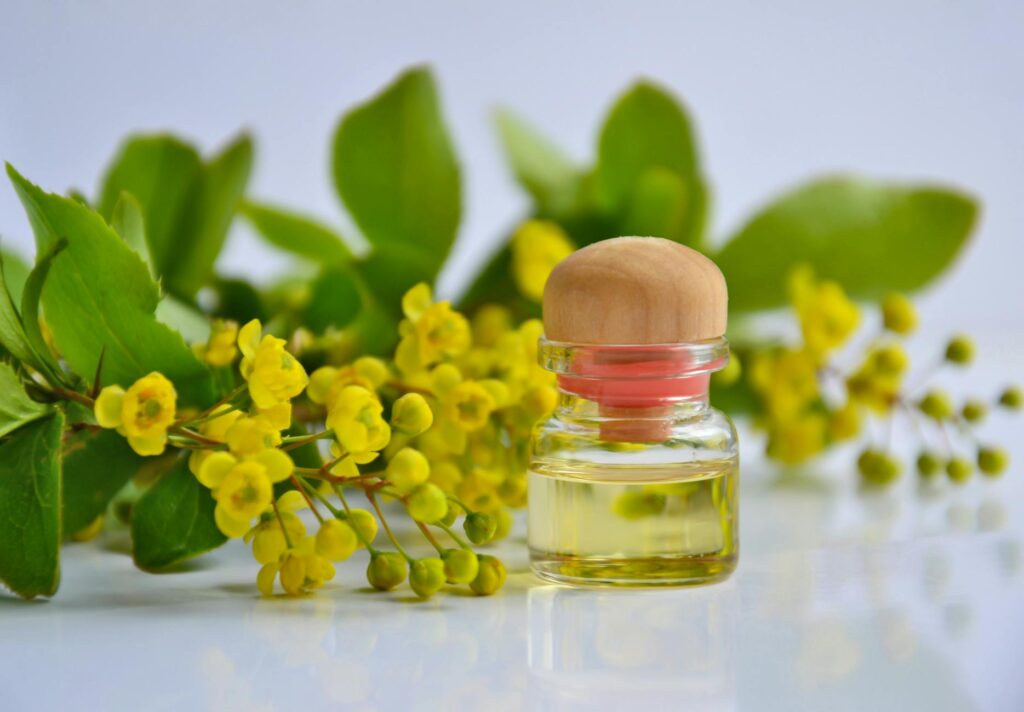
Aromatherapy Uses of Floral Hydrosols for Acne Treatment
Introduction
In recent years, the popularity of natural remedies has surged, particularly in the realm of skincare. Among these remedies, floral hydrosols have gained significant attention for their gentle yet effective properties. Derived from the steam distillation process of aromatic plants, floral hydrosols are often considered the byproduct of essential oil production. However, they possess unique qualities that make them valuable in the treatment of various skin conditions, including acne. This article explores the uses, benefits, and applications of floral hydrosols specifically for acne treatment.
What Is Floral Hydrosols for Acne Treatment?
Floral hydrosols, also known as flower waters or herbal distillates, are aqueous solutions containing the water-soluble components of plants, along with minute quantities of essential oils. Unlike essential oils, which are highly concentrated and potent, hydrosols are milder, making them suitable for sensitive skin types. Commonly used floral hydrosols include rose, lavender, chamomile, and tea tree, each possessing distinct properties that can aid in acne treatment.
Acne is a multifaceted skin condition characterized by the presence of pimples, blackheads, and cysts, primarily arising from excess sebum production, clogged pores, and inflammation. The anti-inflammatory, antiseptic, and soothing properties of floral hydrosols can help address these underlying causes, making them an appealing option for individuals seeking a natural approach to managing acne.
Key Benefits and Properties
Floral hydrosols offer a range of benefits for acne-prone skin, owing to their unique chemical compositions. Below are some key properties that make them effective:
1. Anti-inflammatory: Many floral hydrosols possess anti-inflammatory properties that can help reduce redness and swelling associated with acne. For instance, chamomile hydrosol is renowned for its calming effects on irritated skin.
2. Antiseptic: Certain floral hydrosols, such as tea tree and lavender, have natural antiseptic properties that can help prevent bacterial growth, a common contributor to acne.
3. Hydrating: Unlike many topical treatments that may dry out the skin, floral hydrosols provide hydration, helping to maintain the skin’s moisture balance without clogging pores.
4. Soothing: The calming scents and properties of floral hydrosols can also provide emotional benefits, reducing stress and anxiety, which can exacerbate acne flare-ups.
5. Balancing: Some hydrosols can help balance oil production in the skin, making them suitable for both oily and dry skin types.
Common Uses
Floral hydrosols can be utilized in various ways for acne treatment:
- Facial Toner: Applying a floral hydrosol as a toner can help prep the skin for further treatments while providing hydration and balancing the skin’s pH levels.
- Spot Treatment: Directly applying a hydrosol to affected areas can help reduce inflammation and promote healing.
- Facial Mist: A refreshing facial mist made from floral hydrosols can be used throughout the day to hydrate and soothe the skin.
- Ingredient in DIY Skincare: Hydrosols can be incorporated into homemade masks, scrubs, or serums for added benefits.
- Patch Test: Always conduct a patch test before using a new hydrosol to check for any allergic reactions or sensitivities.
- Quality Matters: Ensure that the hydrosol is 100% pure and free from additives or synthetic fragrances, which may irritate the skin.
- Consultation: If you have existing skin conditions or are pregnant, it is advisable to consult with a qualified professional before incorporating new products into your skincare routine.
- Storage: Store hydrosols in a cool, dark place to maintain their integrity and effectiveness.
- Refrigeration: Storing hydrosols in the refrigerator can help preserve their freshness and potency.
- Dark Containers: Using dark glass bottles can protect the hydrosol from light exposure, which can degrade its quality.
- Seal Tight: Ensure that the container is sealed tightly to minimize exposure to air and contaminants.
Aromatherapy Applications
Integrating floral hydrosols into an aromatherapy routine can enhance their effectiveness. Here are some methods of application:
1. Diffusion: While floral hydrosols are not typically diffused like essential oils, they can be used in a spray bottle to create a refreshing room mist that promotes relaxation and a calming atmosphere.
2. Facial Steam: Adding floral hydrosols to a facial steam can amplify the benefits of the steam treatment, allowing the skin to absorb the hydrosol’s properties more effectively.
3. Bath Soak: Incorporating floral hydrosols into bathwater can provide a soothing experience, benefiting both the skin and the mind.
4. Massage: Mixing floral hydrosols with carrier oils for a gentle facial massage can promote circulation and enhance the absorption of beneficial properties.
Safety Considerations
While floral hydrosols are generally safe for topical use, certain precautions should be taken:
Storage and Shelf Life
The shelf life of floral hydrosols varies but generally ranges from 6 months to 2 years, depending on the type and storage conditions. To extend their shelf life, consider the following tips:
Frequently Asked Questions
What is the difference between floral hydrosols and essential oils?
Floral hydrosols are the water-soluble byproducts of essential oil distillation, containing a small amount of essential oils along with other beneficial compounds. Essential oils are much more concentrated and potent, requiring careful dilution before use.
Can I use floral hydrosols on all skin types?
Floral hydrosols are generally safe for all skin types, including sensitive skin. However, it is always recommended to perform a patch test prior to widespread use.
How often should I use floral hydrosols for acne treatment?
The frequency of use can vary based on individual preferences and skin types. Many people find benefit in using floral hydrosols daily as a toner or mist, while others may choose to apply them as needed for spot treatment.
Are there any side effects associated with floral hydrosols?
While floral hydrosols are generally considered safe, some individuals may experience mild irritation or allergic reactions. It is essential to perform a patch test before regular use.
Can I combine different floral hydrosols?
Yes, combining different floral hydrosols can create a synergistic effect, enhancing their overall benefits. However, ensure that the combinations suit your skin type and needs.
Conclusion
Floral hydrosols offer a gentle, effective, and holistic approach to managing acne. Their unique properties make them valuable allies in skincare routines, particularly for those seeking natural remedies. By understanding their benefits, uses, and safety considerations, individuals can harness the power of floral hydrosols to promote healthier skin. As with any skincare treatment, personal experiences may vary, and it is advisable to approach new products with mindfulness and care.