
Aromatherapy Uses of Floral Hydrosols for Anxiety Relief
Introduction
In recent years, the interest in natural remedies for promoting well-being has surged, with many turning to the soothing properties of essential oils and their by-products. Among these, floral hydrosols have emerged as a gentle yet effective alternative, particularly for those seeking relief from anxiety. This article explores the uses of floral hydrosols in aromatherapy, focusing on how they can help alleviate anxiety symptoms while providing a deeper understanding of their properties, applications, and safety considerations.
What Are Floral Hydrosols for Anxiety Relief?
Floral hydrosols, often referred to as flower waters, are the aromatic waters produced during the steam distillation of plant materials, primarily flowers. When essential oils are extracted, the steam carries volatile compounds, and upon cooling, the steam condenses back into water, resulting in a fragrant liquid that retains some of the plant’s therapeutic properties. Unlike essential oils, hydrosols are milder, making them suitable for individuals seeking a gentler approach to aromatherapy.
The calming nature of floral hydrosols, such as lavender, rose, and chamomile, has been recognized in various cultural practices for centuries. Their ability to relax the mind and soothe the spirit makes them particularly beneficial for those experiencing anxiety.
Key Benefits and Properties
Floral hydrosols offer a variety of benefits that can contribute to anxiety relief:
1. Calming Effects
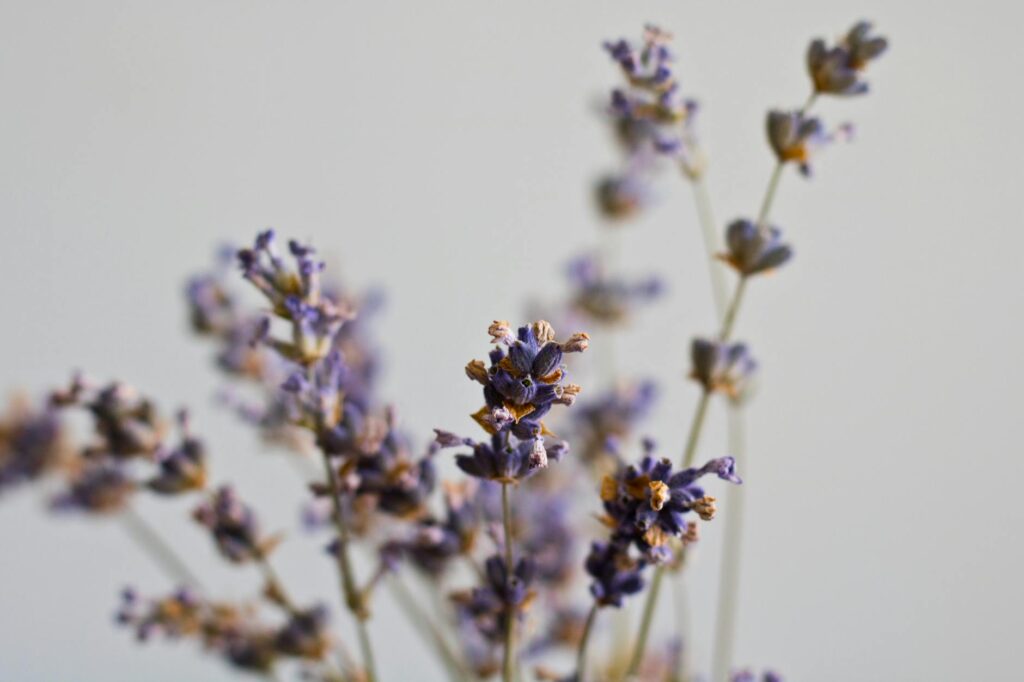
Many floral hydrosols possess natural calming properties. For example, lavender hydrosol is known for its ability to reduce stress and promote relaxation. The gentle aroma can create a sense of tranquility, helping to ease anxious feelings.
2. Mild and Safe
Unlike essential oils, which may cause irritation or allergic reactions in some individuals, floral hydrosols are generally considered safe for topical application and inhalation. This makes them an excellent choice for those who may be sensitive to stronger essential oils.
3. Versatile Applications
Floral hydrosols can be used in various ways, including as facial mists, room sprays, or added to bathwater, making it easy to incorporate them into daily routines.
4. Hydration and Skin Benefits
In addition to their calming effects, many floral hydrosols have hydrating properties that can benefit the skin. For instance, rose hydrosol is often used for its soothing effects on irritated skin, making it a multifunctional option for self-care.
Common Uses
Floral hydrosols can be integrated into daily life in several ways to help manage anxiety:
1. Facial Mists
Creating a facial mist with floral hydrosols can provide a refreshing and calming experience. Simply pour the hydrosol into a spray bottle and mist it over your face whenever you need a moment of calm.
2. Room Sprays
Using floral hydrosols as room sprays can transform your environment into a peaceful sanctuary. Spray your chosen hydrosol around your living space to uplift your mood and alleviate feelings of anxiety.
3. Bath Additive
Adding floral hydrosols to bathwater enhances relaxation. The warm water combined with the aromatic properties of the hydrosol creates an inviting atmosphere conducive to stress relief.
4. Inhalation
For a quick calming effect, inhaling the scent of a floral hydrosol can be beneficial. Simply open the bottle and take a few deep breaths, allowing the aroma to envelop you.
Aromatherapy Applications
Floral hydrosols can be effectively used in various aromatherapy practices. Here are a few suggestions:
1. Diffusion
Although hydrosols are not typically used in diffusers like essential oils, they can still be incorporated into a diffuser blend. Combine a small amount of hydrosol with essential oils that promote relaxation and diffuse the mixture in your space.
2. Massage
Diluting floral hydrosols with a carrier oil can create a soothing massage oil. This method allows the hydrosol’s properties to penetrate the skin, promoting relaxation while providing a soothing touch.
3. Meditation
Incorporating floral hydrosols into your meditation practice can enhance focus and relaxation. Spraying the hydrosol in your meditation space or applying it to pulse points can create a calming ambiance.
4. Pillow Spray
Creating a pillow spray with floral hydrosols can aid in restful sleep. Spray a light mist on your pillow before bedtime to promote a calm and peaceful sleep environment.
Safety Considerations
While floral hydrosols are generally safe for most individuals, there are a few considerations to keep in mind:
1. Allergies
Always perform a patch test before applying a new hydrosol to your skin. Some individuals may have sensitivities or allergies to specific plants.
2. Pregnancy and Nursing
Though many floral hydrosols are considered safe during pregnancy and nursing, it is advisable to consult with a healthcare professional before use.
3. Dilution
While hydrosols are milder than essential oils, it is still prudent to dilute them with a carrier oil when applying them to the skin to minimize any potential irritation.
Storage and Shelf Life
Proper storage of floral hydrosols is essential to maintain their quality. Here are some tips:
1. Keep Refrigerated
Storing floral hydrosols in the refrigerator can extend their shelf life and preserve their aromatic qualities. This is particularly important for hydrosols without preservatives.
2. Dark Glass Bottles
Choose dark glass containers for storage to protect the hydrosol from light, which can degrade its properties over time.
3. Expiration Dates
Most floral hydrosols have a shelf life of about 6 months to 2 years, depending on the specific type and storage conditions. It is advisable to check for any changes in scent or appearance before use.
Frequently Asked Questions
1. Can I use floral hydrosols on my skin?
Yes, most floral hydrosols are safe for topical application. However, it is wise to conduct a patch test first.
2. How do I choose the right floral hydrosol for anxiety relief?
Popular choices for anxiety relief include lavender, chamomile, and rose hydrosols. Consider what scent resonates with you and your specific needs.
3. Are floral hydrosols the same as essential oils?
No, floral hydrosols are the aromatic waters produced during the distillation of plants, while essential oils are concentrated extracts. Hydrosols are milder and generally safer for direct application.
4. How often can I use floral hydrosols?
You can use floral hydrosols as often as needed. They can be incorporated into your daily routine without concern for overuse due to their gentle nature.
5. Can children use floral hydrosols?
Many floral hydrosols are safe for children; however, it is best to consult with a healthcare practitioner for specific recommendations based on age and sensitivities.
Conclusion
Floral hydrosols present a gentle and effective approach to managing anxiety through aromatherapy. Their calming properties, versatility, and safety make them an appealing option for those seeking natural methods to promote relaxation and well-being. By understanding their benefits, uses, and safety considerations, individuals can confidently incorporate floral hydrosols into their self-care routines, enhancing their journey towards emotional balance.