
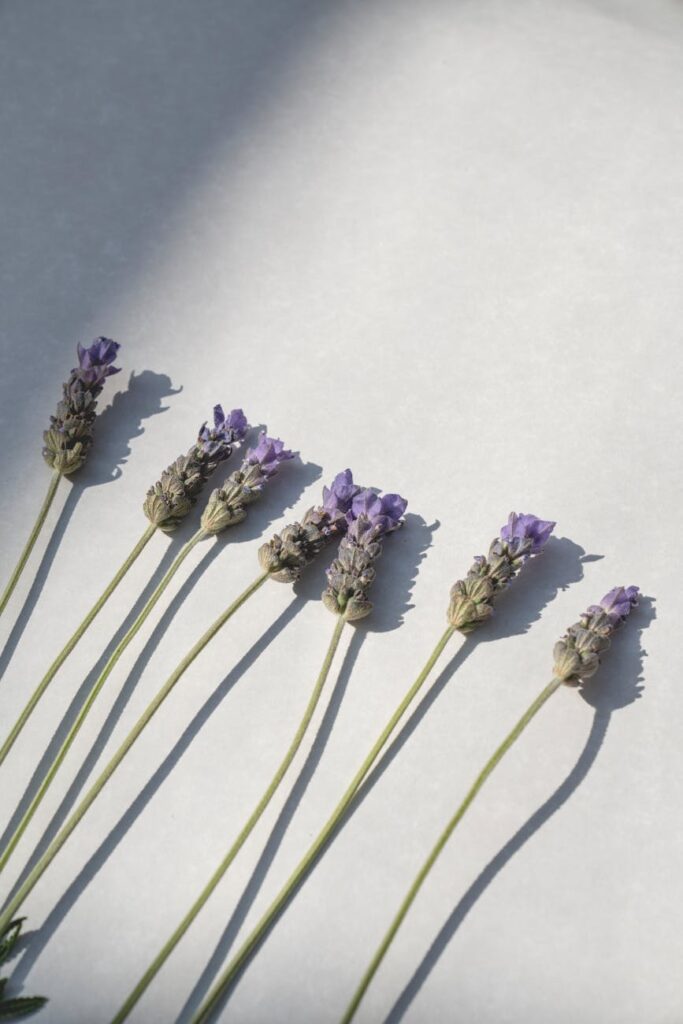
Aromatherapy Uses of Floral Hydrosols for Immune Support
Introduction
Floral hydrosols, also known as floral waters or distillates, are aromatic waters produced during the steam distillation of essential oils. While essential oils are highly concentrated and potent, hydrosols retain many of the beneficial properties of the plant material in a gentler form. This article explores the uses of floral hydrosols for immune support, delving into their properties, applications, and safety considerations.
What Are Floral Hydrosols for Immune Support?
Floral hydrosols are created when steam distilling plant materials, such as flowers, leaves, or stems, to extract essential oils. During this process, water-soluble components of the plant are captured in the distillate, resulting in a fragrant liquid that embodies the essence of the plant while being milder than its essential oil counterpart.
For immune support, specific floral hydrosols are particularly beneficial due to their antibacterial, antiviral, and soothing properties. Common examples include rose, lavender, chamomile, and peppermint hydrosols. These hydrosols can be incorporated into daily routines to support overall wellness and bolster the immune system.
Key Benefits and Properties
The benefits of floral hydrosols for immune support are numerous and can be attributed to their unique chemical compositions. Here are some key properties:
Antimicrobial Properties
Many floral hydrosols possess antimicrobial properties, which may help combat pathogens. For instance, rose and lavender hydrosols can inhibit the growth of bacteria and viruses, providing a natural way to support the immune system.
Anti-inflammatory Effects
Some floral hydrosols, such as chamomile, are known for their anti-inflammatory effects. These properties can help reduce inflammation and promote healing during times of illness or stress.
Calming and Stress-Relief
Stress can adversely affect immune function. Hydrosols like lavender have calming effects that can help reduce stress and anxiety, contributing to a more balanced immune response.
Hydration and Skin Health
Floral hydrosols are excellent for skin hydration, promoting overall skin health. A healthy skin barrier can help prevent infections and support immune function.
Common Uses
Floral hydrosols can be used in various ways to harness their immune-supportive properties. Here are some common applications:
Facial Toner
Hydrosols can be used as natural facial toners to hydrate and soothe the skin. Regular use may help maintain skin integrity, which is crucial for barrier function against pathogens.
Room Spray
Creating a room spray with floral hydrosols can enhance your environment’s aroma while providing potential antimicrobial benefits. A simple mix of hydrosol and distilled water in a spray bottle can create a refreshing atmosphere.
Inhalation
Inhaling the aroma of floral hydrosols can offer calming effects and help ease respiratory discomfort. A few drops in a bowl of hot water can create a steam inhalation experience.
Bath Soak
Adding floral hydrosols to bathwater can enhance relaxation while providing soothing skin benefits. This can be especially beneficial during stressful times when the immune system may be compromised.
Culinary Uses
Some floral hydrosols, like rose and orange blossom, can be used in culinary applications. They can add unique flavors to beverages and desserts while providing potential immune-supportive benefits.
Aromatherapy Applications
In aromatherapy, floral hydrosols can be incorporated into various practices that promote wellness and support the immune system. Here are some suggested applications:
Diffusion
Using a diffuser, floral hydrosols can be diffused into the air for inhalation. This method helps to disperse their aromatic qualities and can be beneficial for creating a calming atmosphere.
Massage
Hydrosols can be combined with carrier oils for use in massage. This technique not only promotes relaxation but also allows the hydrosols to penetrate the skin, potentially enhancing their benefits.
Compresses
Soaking a clean cloth in diluted floral hydrosol and applying it as a compress can provide localized relief and soothing effects. This can be particularly useful for headaches, skin irritations, or fatigue.
Facial Steam
Adding floral hydrosols to hot water for facial steaming can help open pores and promote clearer skin. The steam carries the hydrosol’s beneficial properties directly to the skin.
Safety Considerations
While floral hydrosols are generally regarded as safe and well-tolerated, there are some important safety considerations to keep in mind:
Allergies
Always perform a patch test before using a hydrosol on the skin to check for any allergic reactions. If skin irritation occurs, discontinue use immediately.
Pregnancy and Nursing
Certain hydrosols may not be suitable for pregnant or nursing women. It’s essential to consult a healthcare professional for guidance.
Dilution
Although floral hydrosols are milder than essential oils, it is advisable to dilute them further for sensitive skin or when used in large quantities.
Storage
Store floral hydrosols in a cool, dark place to preserve their efficacy. Avoid exposure to sunlight and extreme temperatures.
Storage and Shelf Life
The shelf life of floral hydrosols can vary depending on the type and storage conditions. Generally, most hydrosols last about 6 months to 1 year when stored properly. To extend their shelf life, consider the following guidelines:
Refrigeration
Keeping hydrosols in the refrigerator can help prolong their freshness and prevent microbial growth.
Dark Glass Containers
Store hydrosols in dark glass bottles to protect them from light exposure, which can degrade their quality over time.
Check for Signs of Spoilage
Before using a hydrosol, check for any changes in color, odor, or consistency. If any signs of spoilage are present, it is best to discard the product.
Frequently Asked Questions
Are floral hydrosols safe for children?
Most floral hydrosols are considered safe for children when used appropriately. However, it is always advisable to consult a healthcare professional before introducing new products, especially for very young children.
Can floral hydrosols replace essential oils?
While floral hydrosols contain some of the beneficial properties of their essential oil counterparts, they are not direct substitutes. They are gentler and can be safely used in various applications where essential oils may be too potent.
How do I choose the right hydrosol for immune support?
Selecting a hydrosol for immune support depends on individual preferences and skin sensitivities. Popular choices include lavender for its calming effects, chamomile for its anti-inflammatory properties, and rose for its antimicrobial benefits.
Can I use floral hydrosols in cooking?
Yes, certain floral hydrosols can be used in culinary applications. However, it is essential to ensure they are food-grade and derived from organic sources to avoid any harmful additives.
How often can I use floral hydrosols?
Floral hydrosols can be used daily, depending on the application. For skincare, they can be used as often as needed for hydration. For other applications, such as inhalation or culinary uses, moderation is key.
Conclusion
Floral hydrosols offer a versatile and gentle approach to supporting immune health through their unique properties and applications. By understanding their benefits and incorporating them into daily routines, individuals can harness the natural power of plants to promote wellness. Always remember to prioritize safety and consult professionals when in doubt. These fragrant waters can enhance not just physical well-being but also emotional and mental balance, contributing to a holistic approach to health and wellness.