
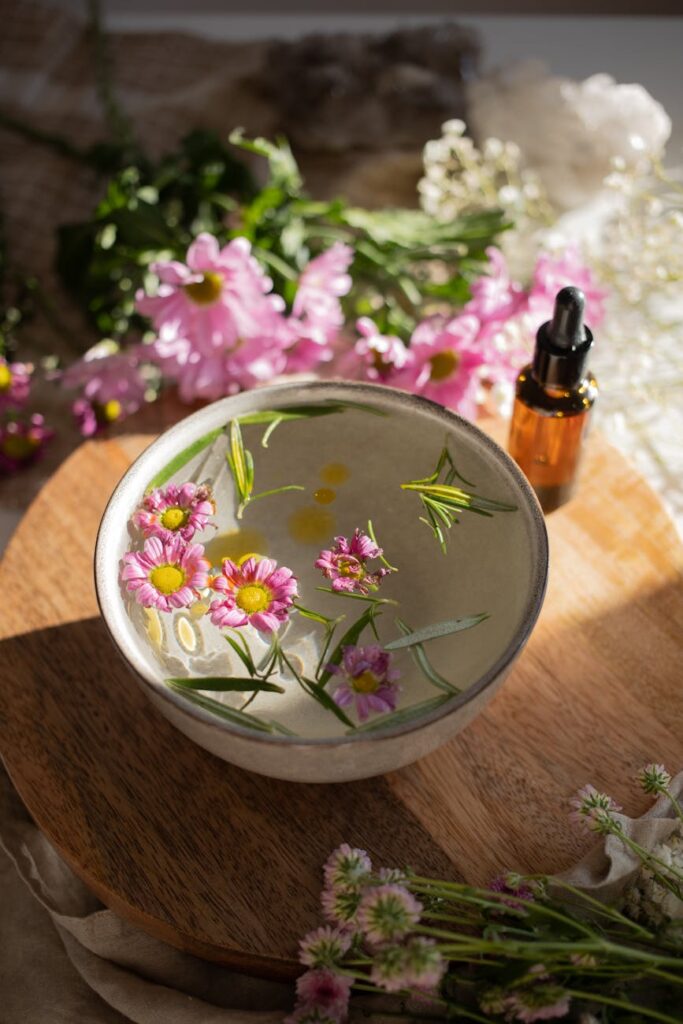
Aromatherapy Uses of Floral Hydrosols for Mood Stabilization
Introduction
Aromatherapy, the art of using natural plant extracts for therapeutic benefits, has gained prominence in holistic wellness practices. Among the various forms of these extracts, floral hydrosols stand out for their gentle properties and versatility. Derived from the steam distillation of flowers, hydrosols retain the essence of the plant while offering a milder aroma and therapeutic benefits. This article explores the uses of floral hydrosols in mood stabilization, highlighting their benefits, applications, and safety considerations.
What Is Floral Hydrosol for Mood Stabilization?
Floral hydrosols, often referred to as flower waters, are the aromatic waters produced during the steam distillation process of essential oils. Unlike concentrated essential oils, hydrosols contain lower concentrations of volatile compounds, making them safe for direct application on the skin and ideal for use in various settings.
Mood stabilization refers to the process of achieving emotional equilibrium, reducing mood swings, and fostering a sense of calm and well-being. Floral hydrosols play a significant role in this process by leveraging the natural properties of flowers known for their uplifting and soothing qualities.
Key Benefits and Properties
Floral hydrosols are endowed with numerous benefits that contribute to mood stabilization. Some of the key properties include:
1. Mild Aromatherapy: The subtle fragrance of hydrosols can create a calming atmosphere, making them suitable for individuals who may find essential oils overwhelming.
2. Emotional Support: Many floral hydrosols are known for their emotional balancing properties. They can help alleviate feelings of anxiety, sadness, or stress.
3. Skin-Friendly: Hydrosols are gentle on the skin, making them ideal for topical applications. They can soothe irritation and promote skin health, which may indirectly influence mood through improved self-esteem and comfort.
4. Hydration: Using hydrosols can provide hydration to the skin, contributing to overall well-being, especially in dry environments.
5. Versatility: Floral hydrosols can be used in various ways, including in diffusers, baths, or as facial mists, making them accessible for daily use.
Common Uses
Floral hydrosols can be incorporated into daily routines in numerous ways:
1. Facial Mists: A quick spritz of hydrosol can refresh the face while providing a calming scent.
2. Bath Additive: Adding hydrosols to bathwater can create a soothing experience that promotes relaxation.
3. Room Spray: Hydrosols can be used as natural air fresheners, filling the space with their gentle aroma.
4. Compresses: Soaking a cloth in diluted hydrosol and applying it to the forehead or wrists can offer immediate emotional support.
5. Inhalation: Inhaling the scent directly from the bottle or a cotton ball can help uplift mood and provide emotional clarity.
Aromatherapy Applications
When integrating floral hydrosols into aromatherapy practices for mood stabilization, consider the following common hydrosols known for their beneficial properties:
1. Rose Hydrosol
Rose hydrosol is celebrated for its emotionally uplifting effects. Its soft and sweet fragrance can help reduce feelings of anxiety and promote self-love. It is often used in facial mists and skincare products due to its skin-soothing properties.
2. Lavender Hydrosol
Lavender is renowned for its calming effects. Lavender hydrosol can alleviate stress and promote restful sleep. Its floral scent is often used in room sprays and calming bedtime rituals.
3. Geranium Hydrosol
Geranium is known for its ability to balance emotions. This hydrosol can help alleviate feelings of sadness and promote a sense of peace. It is commonly used in facial care routines for its skin-regulating properties.
4. Chamomile Hydrosol
Chamomile hydrosol is recognized for its calming and soothing properties. It is particularly beneficial for individuals dealing with emotional distress. Incorporating chamomile into a bath can enhance relaxation.
5. Neroli Hydrosol
Derived from the blossoms of the bitter orange tree, neroli hydrosol offers a sweet, citrusy aroma that uplifts mood and reduces stress. It is often used in massage therapies and skincare.
Safety Considerations
While floral hydrosols are generally safe for most users, it is essential to consider the following precautions:
1. Patch Test: Always conduct a patch test before applying a new hydrosol to the skin to check for any allergic reactions.
2. Quality Matters: Opt for high-quality, organic hydrosols from reputable suppliers to ensure purity and effectiveness.
3. Pregnancy and Nursing: Some hydrosols may not be suitable for pregnant or nursing women. Always consult with a healthcare professional if in doubt.
4. Storage: Store hydrosols in a cool, dark place to maintain their integrity and extend shelf life.
5. Dilution: While most hydrosols can be used directly, some individuals may prefer to dilute them further in water or carrier oils for topical applications.
Storage and Shelf Life
The shelf life of floral hydrosols varies depending on the specific type and storage conditions. Generally, they can last between six months to two years. To ensure longevity, store hydrosols in dark glass bottles, away from direct sunlight and heat. It is advisable to keep them refrigerated, especially in warmer climates, to minimize microbial growth and preserve their aromatic qualities.
Frequently Asked Questions
Q: Can I use floral hydrosols internally?
A: Floral hydrosols are primarily intended for external use, such as in skincare or inhalation. While some may be safe for internal use in small amounts, it is crucial to consult with a healthcare professional before ingesting any hydrosol.
Q: Are floral hydrosols safe for children?
A: Many floral hydrosols are considered safe for children, but it is essential to use them in diluted forms and consult a healthcare provider for specific recommendations.
Q: How do I choose the right floral hydrosol for mood stabilization?
A: Consider your emotional needs and preferences when selecting a hydrosol. Research the properties and benefits of each type to find one that resonates with you.
Q: Can I mix different floral hydrosols?
A: Yes, blending hydrosols can create a unique aromatic experience. However, it’s advisable to test the blend on a small area of skin first to ensure compatibility.
Q: How often can I use floral hydrosols?
A: Floral hydrosols can be used daily, as needed. They are gentle enough for frequent applications, whether as facial mists, in baths, or for emotional support.
Conclusion
Floral hydrosols serve as a valuable resource in the realm of aromatherapy, particularly for mood stabilization. Their gentle yet effective properties make them suitable for a wide range of applications, from skincare to emotional support. By understanding their benefits, uses, and safety considerations, individuals can incorporate these fragrant waters into their daily routines, enhancing their overall well-being and emotional health. As with any wellness practice, personal exploration and mindfulness are key to discovering what works best for you.