
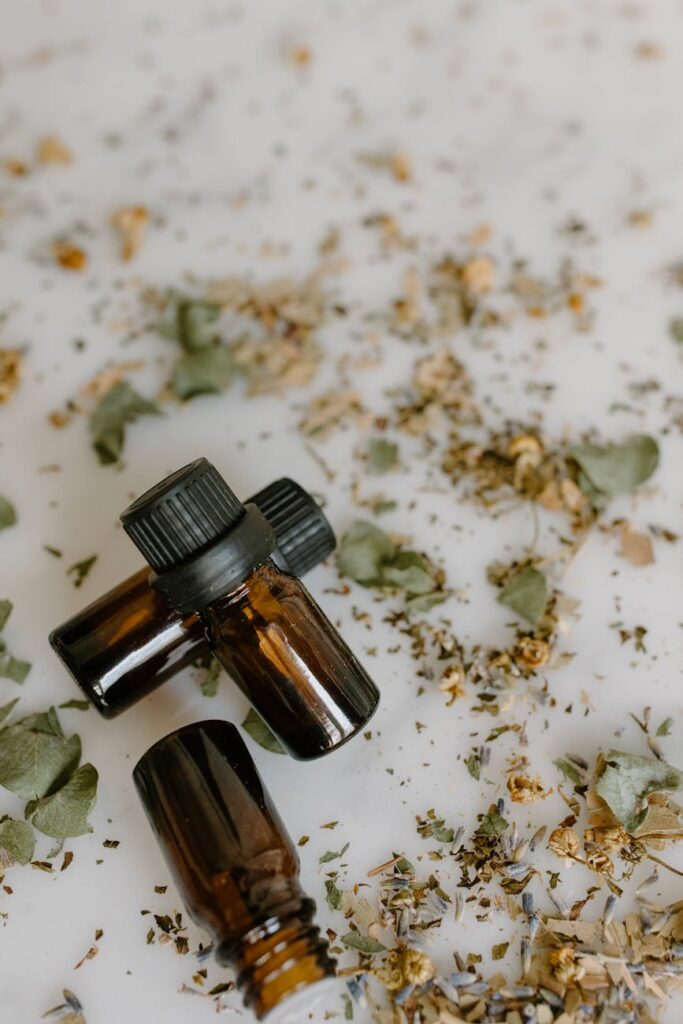
Aromatherapy Uses of Floral Hydrosols for Respiratory Support
Introduction
Floral hydrosols, often referred to as flower waters, are aromatic by-products of the steam distillation process used to extract essential oils from plants. Unlike essential oils, which are highly concentrated and potent, hydrosols are gentler and can be used in various applications, including skincare, cooking, and, notably, aromatherapy. One of the areas where floral hydrosols shine is in providing respiratory support. This article explores the uses, benefits, and applications of floral hydrosols in promoting respiratory health while emphasizing safety and proper storage.
What Are Floral Hydrosols for Respiratory Support?
Floral hydrosols are produced when steam distillation extracts essential oils from plant materials, leaving behind a water-based solution that retains many of the plant’s therapeutic properties. For respiratory support, specific hydrosols derived from flowers and herbs are particularly effective due to their soothing and anti-inflammatory characteristics. Common floral hydrosols used for this purpose include lavender, chamomile, rose, and eucalyptus hydrosols, each offering unique benefits that cater to respiratory wellness.
Key Benefits and Properties
Floral hydrosols possess several beneficial properties that make them suitable for respiratory support:
- Anti-inflammatory: Many floral hydrosols can help reduce inflammation in the respiratory tract, easing symptoms of congestion and irritation.
- Antimicrobial: Certain hydrosols exhibit antimicrobial properties, potentially helping to combat respiratory infections caused by bacteria and viruses.
- Soothing: The gentle nature of hydrosols can provide relief from throat irritation and coughing, offering a calming effect on the mucous membranes.
- Moisturizing: Hydrosols can help to hydrate the airways, alleviating dryness that often accompanies respiratory issues.
- Aromatherapeutic Effects: The aromatic compounds found in floral hydrosols can promote relaxation and ease anxiety, which may indirectly support respiratory function by promoting deeper, calmer breathing.
- Diffusion: Using a diffuser with a combination of floral hydrosols can disperse aromatic molecules into the air, promoting a calming environment. This practice can be particularly beneficial during the evening or before sleep.
- Steam Inhalation Therapy: By adding floral hydrosol to hot water, users can create a steam inhalation treatment. This method allows the respiratory system to absorb the therapeutic properties of the hydrosol directly through steam.
- Complementary to Essential Oils: Floral hydrosols can be used alongside essential oils to create a balanced and effective aromatherapy blend. They can dilute essential oils, making them safer for topical application, especially for individuals with sensitive skin.
- Meditation and Mindfulness: Incorporating floral hydrosols into meditation practices can enhance relaxation and focus, promoting deeper breathing and mindfulness.
- Patch Test: Before applying any floral hydrosol to the skin, perform a patch test to check for allergic reactions or sensitivities. Apply a small amount to the inner wrist and wait for 24 hours to observe any adverse effects.
- Pregnancy and Breastfeeding: Although many floral hydrosols are considered safe, pregnant or breastfeeding individuals should consult with a healthcare professional before use.
- Children and Pets: Always be cautious when using hydrosols around children and pets. While many hydrosols are gentle, some may not be suitable for young children or certain animals.
- Quality of Hydrosols: Purchase hydrosols from reputable suppliers to ensure quality and purity. Look for products that are organic and free from additives or preservatives.
- Cool, Dark Place: Store hydrosols in a cool, dark area away from direct sunlight and heat. This helps to prevent degradation and preserves their aromatic properties.
- Tightly Sealed Containers: Keep hydrosols in tightly sealed containers, preferably glass bottles, to prevent contamination and oxidation.
- Shelf Life: Floral hydrosols typically have a shelf life ranging from one to three years, depending on the type and storage conditions. Always check for any changes in aroma or appearance, as these may indicate spoilage.
Common Uses
Floral hydrosols can be used in various ways to support respiratory health:
1. Inhalation: Direct inhalation of floral hydrosols can provide immediate relief for congested airways. This can be done by adding a few drops to a bowl of hot water and inhaling the steam or using a diffuser.
2. Topical Application: While hydrosols are milder than essential oils, they can still be applied to the skin. Diluting hydrosols with a carrier oil and massaging them onto the chest can help ease congestion.
3. Room Spray: Creating a room spray with floral hydrosols can help purify the air and create a soothing atmosphere. This is particularly useful during allergy seasons or cold months when respiratory issues are more prevalent.
4. Bath Additive: Adding floral hydrosols to bath water can create a soothing experience that promotes relaxation and respiratory ease.
5. Facial Mist: Spritzing a floral hydrosol on the face can provide hydration and soothing effects during times of respiratory distress, especially if sinus pressure is a concern.
Aromatherapy Applications
In aromatherapy, floral hydrosols can be integrated into various practices to enhance respiratory support:
Safety Considerations
While floral hydrosols are generally regarded as safe, it is important to observe a few safety considerations:
Storage and Shelf Life
Proper storage is crucial for maintaining the quality and efficacy of floral hydrosols:
Frequently Asked Questions
What is the difference between floral hydrosols and essential oils?
Floral hydrosols are the water-based by-products of essential oil distillation, containing a diluted concentration of the plant’s aromatic compounds. Essential oils are concentrated extracts that require careful handling due to their potency. Hydrosols are generally safer for topical use and can be used directly on the skin.
Can floral hydrosols be ingested?
While some hydrosols are safe for culinary use, it is essential to consult with a qualified professional before ingesting any hydrosol. Not all hydrosols are intended for internal consumption.
How can I choose the right floral hydrosol for respiratory support?
When selecting a floral hydrosol, consider your specific needs. For example, eucalyptus hydrosol may assist with congestion, while lavender hydrosol may help reduce anxiety and promote relaxation. Research the properties of different hydrosols to find the one that aligns with your needs.
Are there any contraindications for using floral hydrosols?
Though generally safe, individuals with allergies to specific plants should avoid using corresponding hydrosols. Additionally, as mentioned previously, pregnant or breastfeeding individuals should consult with a healthcare provider before use.
How do I incorporate floral hydrosols into my daily routine?
Floral hydrosols can be easily integrated into daily life through various applications, such as facial mists, room sprays, or steam inhalation. Experiment with different methods to find what works best for you and your lifestyle.
Conclusion
Floral hydrosols offer a unique and gentle approach to respiratory support through their soothing and aromatic properties. Their versatility allows for various applications in aromatherapy, making them accessible to individuals seeking natural methods for enhancing respiratory wellness. By understanding their benefits, uses, and safety considerations, one can effectively incorporate floral hydrosols into daily routines, promoting overall well-being and comfort.