
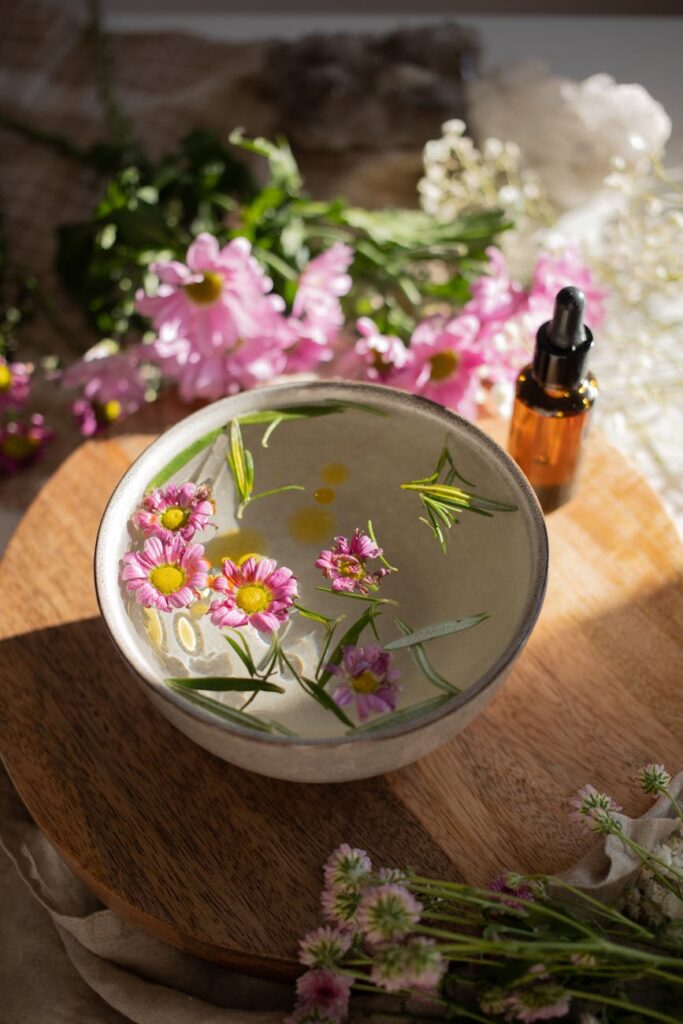
Aromatherapy Uses of Floral Hydrosols for Scalp Health
Introduction
Aromatherapy, a holistic practice that harnesses the therapeutic properties of essential oils, has gained significant popularity in recent years. Among its various components, floral hydrosols have emerged as a gentle yet effective alternative for promoting scalp health. Derived from the steam distillation of flowers, these aromatic waters capture the essence of their botanical counterparts, offering a range of benefits without the potency of essential oils. This article explores the uses of floral hydrosols for scalp health, detailing their properties, common applications, and safety considerations.
What Are Floral Hydrosols for Scalp Health?
Floral hydrosols, often referred to as hydrolats or floral waters, are the by-products of essential oil distillation. When steam passes through plant materials, the essential oils are separated from the water, resulting in two distinct products: concentrated essential oils and hydrosols. While essential oils are known for their potent aromatic compounds, hydrosols contain a diluted version of these components along with water-soluble phytochemicals.
For scalp health, floral hydrosols can be particularly beneficial due to their soothing, anti-inflammatory, and antimicrobial properties. Common floral hydrosols include rose, lavender, chamomile, and rosemary, each offering unique benefits for the scalp.
Key Benefits and Properties
1. Soothing and Calming Effects
Many floral hydrosols possess calming properties that can help alleviate irritation and inflammation on the scalp. For instance, lavender hydrosol is renowned for its ability to soothe sensitive skin and reduce redness.
2. Hydration
Floral hydrosols provide an excellent source of hydration for the scalp and hair. They help maintain moisture balance, preventing dryness and flakiness, which can lead to conditions like dandruff.
3. Antimicrobial Properties
Certain hydrosols, such as tea tree and rosemary, have natural antimicrobial properties. These can help combat scalp issues caused by bacteria and fungi, promoting a healthier environment for hair growth.
4. Balancing Oil Production
Floral hydrosols can also help balance sebum production. For example, witch hazel hydrosol can assist those with oily scalps by reducing excess oil without stripping the scalp of its natural moisture.
5. Promoting Hair Growth
The nutrients found in some floral hydrosols, like rose and ylang-ylang, can stimulate blood circulation to the scalp, potentially enhancing hair growth.
Common Uses
Floral hydrosols can be incorporated into various hair care routines and applications:
1. Scalp Toner
Using floral hydrosols as a scalp toner can help refresh and balance the scalp. Simply spray the hydrosol directly onto the scalp and massage it in to improve circulation.
2. Hair Rinse
After shampooing, a diluted hydrosol can serve as a nourishing hair rinse. This can enhance shine and softness while delivering the benefits of the hydrosol.
3. Leave-In Treatment
A light mist of floral hydrosol can function as a leave-in treatment, providing moisture and fragrance throughout the day.
4. Dandruff Treatment
Certain hydrosols, like tea tree and chamomile, can be used to create a calming treatment for dandruff-prone scalps. Mixing these with carrier oils or other ingredients can enhance their effectiveness.
5. Scalp Massage
Incorporating hydrosols into scalp massages can enhance relaxation and stimulate circulation, promoting overall scalp health.
Aromatherapy Applications
1. Blending with Essential Oils
Floral hydrosols can be blended with essential oils to create tailored scalp treatments. For instance, combining lavender hydrosol with a few drops of rosemary essential oil can provide a soothing yet stimulating effect.
2. Creating Custom Formulations
DIY enthusiasts may enjoy crafting their own scalp care products using floral hydrosols as a base. By mixing them with carrier oils, other hydrosols, or botanical extracts, users can create personalized treatments.
3. Inhalation Therapy
Although primarily used for topical application, inhaling the aroma of floral hydrosols can also contribute to emotional well-being. For example, using rose hydrosol in a diffuser can create a calming atmosphere while benefiting the scalp indirectly.
4. Bath Soaks
Incorporating floral hydrosols into bath soaks can provide relaxation and hydration to both the scalp and hair. A few spritzes in warm bath water can enhance the overall experience.
Safety Considerations
While floral hydrosols are generally safe for most individuals, it is essential to consider the following precautions:
1. Patch Test
Before using any new product, especially on sensitive skin, it is advisable to conduct a patch test. Apply a small amount of hydrosol to a discreet area and wait for 24 hours to check for any adverse reactions.
2. Dilution
Although floral hydrosols are much gentler than essential oils, it is wise to dilute any concentrated formulas or blends before application.
3. Avoiding Eye Contact
Take care to avoid contact with the eyes. If accidental contact occurs, rinse thoroughly with water.
4. Pregnancy and Allergies
Individuals who are pregnant or have specific allergies should consult with a healthcare provider or aromatherapy expert before using floral hydrosols.
Storage and Shelf Life
To maintain the quality and efficacy of floral hydrosols, proper storage is essential:
1. Cool, Dark Place
Store hydrosols in a cool, dark environment away from direct sunlight. This helps prevent degradation of the active compounds.
2. Sealed Containers
Keep hydrosols in tightly sealed bottles to minimize exposure to air and contaminants.
3. Shelf Life
Most floral hydrosols have a shelf life of six months to one year when stored correctly. Always check for any signs of spoilage, such as changes in color, odor, or consistency, before use.
Frequently Asked Questions
1. Can I use floral hydrosols every day?
Yes, floral hydrosols can be used daily as part of your hair care routine. Their gentle nature makes them suitable for regular application.
2. Are floral hydrosols safe for all hair types?
Generally, floral hydrosols are safe for all hair types, but it’s important to choose the right hydrosol for your specific scalp needs.
3. Can I mix different floral hydrosols?
Yes, blending different floral hydrosols can create unique combinations that enhance their individual benefits.
4. Are floral hydrosols the same as essential oils?
No, floral hydrosols are the by-products of essential oil distillation and contain a diluted version of the aromatic compounds, making them gentler and suitable for various applications.
5. Where can I buy floral hydrosols?
Floral hydrosols can be purchased at health food stores, specialty aromatherapy shops, or online retailers that focus on natural beauty products.
Conclusion
Floral hydrosols offer a versatile and gentle approach to improving scalp health within the realm of aromatherapy. Their soothing properties, combined with the ability to hydrate and balance the scalp, make them a valuable addition to any hair care regimen. By understanding their benefits and applications, individuals can harness the power of these botanical waters to promote healthy hair and a balanced scalp environment.