
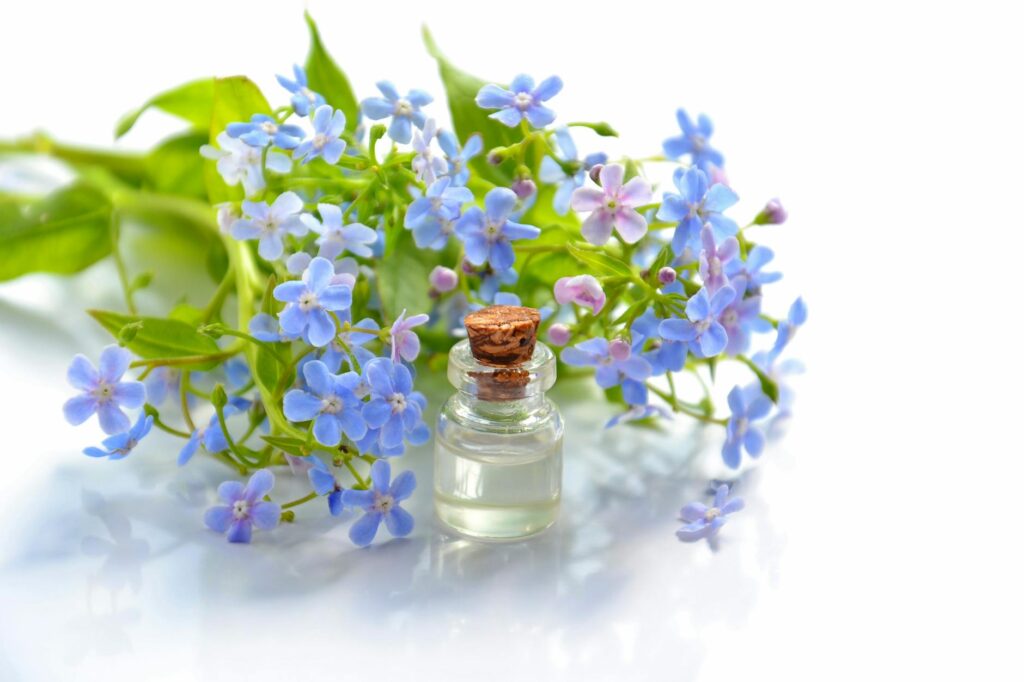
Aromatherapy Uses of Floral Hydrosols for Scents and Fragrance Blending
Introduction
Aromatherapy, an ancient practice, harnesses the power of plants to enhance well-being through the use of essential oils and other botanical extracts. Among these, floral hydrosols have gained significant attention in recent years for their versatility and gentle nature. While essential oils are highly concentrated, floral hydrosols, or hydrolats, are the water-based byproducts of steam distillation and contain trace amounts of essential oils along with various beneficial compounds. This article will explore the uses of floral hydrosols for scent and fragrance blending, highlighting their unique properties, applications, and safe practices.
What Are Floral Hydrosols for Scents and Fragrance Blending?
Floral hydrosols are aromatic waters produced during the steam distillation of plant materials, particularly flowers. Unlike essential oils, which are highly potent and concentrated, hydrosols are milder, making them suitable for a variety of applications, including skincare, culinary uses, and, of course, aromatherapy.
When plants are distilled, volatile compounds are released into the steam. As the steam cools, these compounds condense back into liquid form, resulting in essential oils and hydrosols. Floral hydrosols retain the essence of the plant, offering a more subtle fragrance and a gentler profile. Common examples of floral hydrosols include rose, lavender, chamomile, and neroli.
Key Benefits and Properties
Floral hydrosols possess several unique properties that make them valuable in aromatherapy and fragrance blending:
1. Gentle Aroma: The milder scent of floral hydrosols allows for versatile use without overwhelming the senses. They can be blended with essential oils or other hydrosols to create harmonious fragrances.
2. Hydration: Floral hydrosols can provide hydration to the skin, making them popular in skincare formulations. Their soothing and calming properties can enhance the overall experience of aromatherapy.
3. Balancing Effects: Many floral hydrosols are known for their balancing and harmonizing effects on emotions. For instance, lavender hydrosol is often used to promote relaxation, while rose hydrosol is associated with feelings of love and compassion.
4. Natural Preservatives: Some floral hydrosols contain natural antimicrobial properties, which can help extend the shelf life of blended products.
5. Compatibility: Their gentle nature makes floral hydrosols compatible with a wide range of other essential oils and hydrosols, providing a versatile base for creating unique fragrance blends.
Common Uses
Floral hydrosols can be utilized in various ways, including:
1. Facial Sprays: Many people use floral hydrosols as refreshing facial mists. They can be applied directly to the skin or added to skincare formulations.
2. Room Fresheners: Hydrosols can be used in spray bottles as natural air fresheners, providing a pleasant aroma without synthetic fragrances.
3. Bath Additives: Adding a splash of floral hydrosol to bathwater can enhance relaxation and create a soothing atmosphere.
4. Culinary Applications: Some floral hydrosols, such as rose and orange blossom, are safe for culinary uses and can be incorporated into beverages or desserts for added flavor.
5. Aromatherapy Blends: Floral hydrosols serve as excellent bases for creating custom aromatherapy blends, allowing users to enjoy the benefits of both essential oils and the milder properties of hydrosols.
Aromatherapy Applications
Floral hydrosols can be integrated into various aromatherapy practices. Here are some common applications:
1. Diffusion: While essential oils are often used in diffusers, floral hydrosols can also be added to ultrasonic diffusers for a gentler, more subtle aroma. This can create a calming atmosphere in homes or offices.
2. Massage: When diluted with carrier oils, floral hydrosols can be incorporated into massage blends. The soothing properties of the hydrosols can enhance the overall experience of relaxation.
3. Meditation and Mindfulness: Using floral hydrosols during meditation or mindfulness practices can help create a serene environment. Spritzing a calming hydrosol like chamomile can enhance tranquility.
4. Skin Care Routines: Incorporating floral hydrosols into skincare routines can provide hydration and nourishment. They can be used as toners or added to creams and lotions for an aromatic boost.
5. Creative Blending: Floral hydrosols can be mixed with essential oils or other hydrosols to create unique fragrance blends. For example, combining lavender hydrosol with bergamot essential oil can produce a refreshing and uplifting aroma.
Safety Considerations
While floral hydrosols are generally considered safe for most individuals, there are a few important safety considerations to keep in mind:
1. Patch Test: It is advisable to perform a patch test before using a new hydrosol on the skin, especially for individuals with sensitive skin or allergies.
2. Dilution: When using floral hydrosols in combination with essential oils or other concentrated substances, proper dilution is essential to avoid potential skin irritation.
3. Storage: Floral hydrosols should be stored in a cool, dark place to maintain their quality. Exposure to light and heat can degrade their properties over time.
4. Consultation: Individuals with specific health conditions or those who are pregnant or breastfeeding should consult a qualified aromatherapist or healthcare professional before using floral hydrosols.
Storage and Shelf Life
Proper storage and handling of floral hydrosols are crucial for maintaining their efficacy and aroma. Here are some guidelines:
1. Containers: Use dark glass bottles to protect the hydrosols from light. Avoid plastic containers, as they can leach chemicals over time.
2. Temperature: Store floral hydrosols in a cool, dry place. Refrigeration is recommended for longer shelf life, especially for hydrosols that do not contain preservatives.
3. Shelf Life: Generally, floral hydrosols have a shelf life of 6 months to 2 years, depending on the type and storage conditions. Always check for changes in aroma, color, or clarity before use.
Frequently Asked Questions
1. Can I use floral hydrosols on my face?
Yes, floral hydrosols are often used as facial mists or toners due to their gentle nature. However, it is important to patch test first, especially for sensitive skin.
2. Are floral hydrosols safe for children?
Most floral hydrosols are considered safe for use with children, but it is advisable to consult a healthcare professional or aromatherapist for specific recommendations.
3. Can I blend floral hydrosols with essential oils?
Absolutely! Floral hydrosols can be blended with essential oils to create unique fragrances and enhance the therapeutic properties of the blend.
4. How do I choose the right floral hydrosol for my needs?
Consider the desired aroma and the specific properties of the hydrosol. For example, if you seek relaxation, lavender hydrosol may be a suitable choice, while rose hydrosol may be preferred for its uplifting qualities.
5. Can I ingest floral hydrosols?
Some floral hydrosols are safe for culinary use, such as rose or orange blossom. However, always ensure that the hydrosol is food-grade and consult guidelines for safe usage.
Conclusion
Floral hydrosols represent a gentle and versatile option for those interested in aromatherapy and fragrance blending. Their unique properties, combined with their ability to harmonize with essential oils, make them an excellent choice for enhancing well-being. By understanding their uses, benefits, and safety considerations, individuals can effectively incorporate floral hydrosols into their daily lives, creating a fragrant and soothing environment that promotes relaxation and balance. As with any aromatic practices, it is essential to approach floral hydrosols with mindfulness and respect for the plants and their properties.