
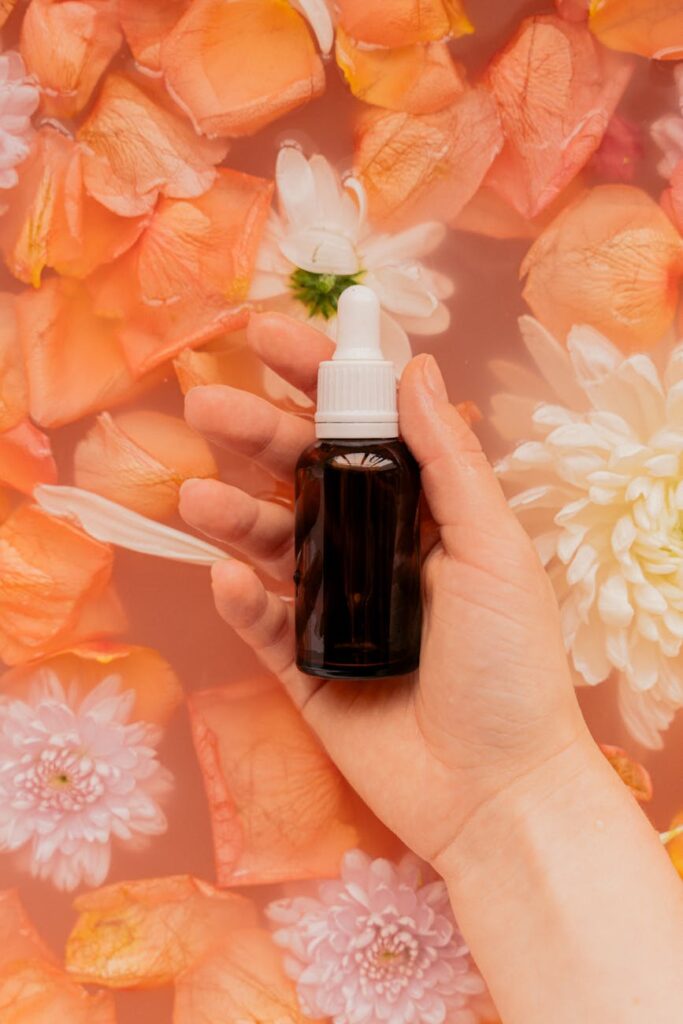
Aromatherapy Uses of Floral Hydrosols for Skin Brightening
Introduction
Aromatherapy has gained popularity as a holistic approach to enhancing well-being, and floral hydrosols have emerged as a significant component of this practice. Often considered the gentle byproduct of essential oil distillation, floral hydrosols are water-based solutions that retain many of the beneficial properties of their corresponding essential oils. This article explores the uses of floral hydrosols specifically for skin brightening, highlighting their benefits, applications, and safety considerations.
What Are Floral Hydrosols for Skin Brightening?
Floral hydrosols, also known as floral waters, are produced during the steam distillation of plant materials, primarily flowers. Unlike essential oils, which are highly concentrated, hydrosols contain a much lower concentration of aromatic compounds, making them milder and suitable for direct skin application. Common floral hydrosols used for skin brightening include rose, lavender, chamomile, and neroli. These hydrosols not only provide a refreshing sensory experience but also offer various properties that can support a brighter and more radiant complexion.
Key Benefits and Properties
1. Hydration: Floral hydrosols are excellent for hydrating the skin. Their water content helps to replenish moisture, which can be essential for maintaining a healthy, glowing appearance.
2. Soothing Properties: Many floral hydrosols possess anti-inflammatory properties, making them suitable for calming irritated or sensitive skin. This soothing effect can help improve overall skin tone.
3. Antioxidant Effects: Some floral hydrosols contain antioxidants that can help combat free radical damage, a contributing factor to dull skin and premature aging.
4. Astringent Qualities: Certain hydrosols, such as witch hazel and rosemary, have mild astringent properties that can help tighten the skin and reduce the appearance of pores, promoting a more even skin tone.
5. Balancing pH: Hydrosols can help to balance the skin’s pH, contributing to a healthier skin barrier and a brighter complexion.
Common Uses
Floral hydrosols can be incorporated into a variety of skincare routines and practices to enhance skin brightness:
1. Facial Toner: Hydrosols can be used as a refreshing facial toner, applied after cleansing to prepare the skin for further treatment. They help to remove residual impurities and may enhance the absorption of serums and moisturizers.
2. Mist: Spraying floral hydrosols directly on the face provides instant hydration and refreshment throughout the day. This can be particularly beneficial in dry or air-conditioned environments.
3. Mixing with Other Products: Floral hydrosols can be blended with creams, lotions, or serums to create customized skincare products tailored to specific skin needs.
4. Facial Masks: Incorporating hydrosols into DIY facial masks can enhance their effectiveness. Mixing hydrosols with clay or other natural ingredients can create a nourishing treatment that brightens the skin.
5. Bathing: Adding floral hydrosols to bathwater can create a luxurious, aromatic experience while benefiting the skin.
Aromatherapy Applications
Incorporating floral hydrosols into aromatherapy practices can enhance both physical and emotional well-being. Here are some applications:
1. Aromatherapy Diffusion: While hydrosols are not typically used in diffusers, they can be sprayed into the air for a subtle aromatic experience, promoting relaxation and tranquility.
2. Massage: Blending floral hydrosols with carrier oils can create a fragrant massage oil that not only nourishes the skin but also contributes to an uplifting aromatherapy experience.
3. Meditation and Mindfulness: Spraying hydrosols in your meditation space can create a calming atmosphere, enhancing focus and relaxation during mindfulness practices.
4. Room Fresheners: Floral hydrosols can be used as natural room fresheners, adding a pleasant aroma while providing the benefits of aromatherapy.
Safety Considerations
While floral hydrosols are generally considered safe for most individuals, there are some considerations to keep in mind:
1. Patch Testing: It is advisable to perform a patch test before applying a new hydrosol to the skin. Apply a small amount to an inconspicuous area and wait 24 hours to check for any adverse reactions.
2. Skin Sensitivity: Individuals with sensitive skin or allergies should consult with a knowledgeable professional before using specific floral hydrosols, as reactions can vary.
3. Dilution: Although hydrosols are milder than essential oils, it is still wise to dilute them with a carrier oil or other products if you have concerns about skin sensitivity.
4. Pregnancy and Nursing: Pregnant or nursing individuals should consult a healthcare professional before using floral hydrosols, as some may have contraindications.
Storage and Shelf Life
Proper storage is essential to preserve the quality of floral hydrosols:
1. Containers: Store hydrosols in dark glass bottles to protect them from light, which can degrade their quality.
2. Temperature: Keep floral hydrosols in a cool, dark place, away from direct sunlight and heat sources.
3. Shelf Life: Most floral hydrosols have a shelf life of 1 to 3 years, depending on the type and storage conditions. Always check for any changes in color, smell, or texture before use.
4. Refrigeration: For prolonged freshness, consider refrigerating floral hydrosols, especially in warmer climates.
Frequently Asked Questions
1. Can I use floral hydrosols on all skin types?
Yes, most floral hydrosols are suitable for various skin types. However, it is advisable to perform a patch test before widespread application, especially for sensitive skin.
2. How often should I use floral hydrosols for skin brightening?
Usage can vary based on individual preferences and skin needs. Floral hydrosols can be used daily as a toner or mist, while DIY masks may be applied weekly.
3. Are there any specific floral hydrosols that are best for brightening skin?
Rose and neroli hydrosols are particularly well-regarded for their skin-brightening properties. Lavender and chamomile are also popular for their calming effects on the skin.
4. Can I combine different floral hydrosols?
Yes, you can create custom blends of floral hydrosols to target specific skin concerns or to achieve a desired fragrance profile.
5. Do floral hydrosols expire?
While they have a shelf life of 1 to 3 years, it is best to check for any changes in appearance or scent before use. Proper storage can help extend their longevity.
Conclusion
Floral hydrosols offer a gentle and effective means of enhancing skin brightness while also providing aromatic benefits. Their versatility allows for incorporation into various skincare routines and aromatherapy practices. By understanding their properties, benefits, and safe usage, individuals can harness the power of floral hydrosols to promote healthier, more radiant skin. As with any skincare product, it is essential to approach their use with an educated perspective, ensuring a personalized and enriching experience.