
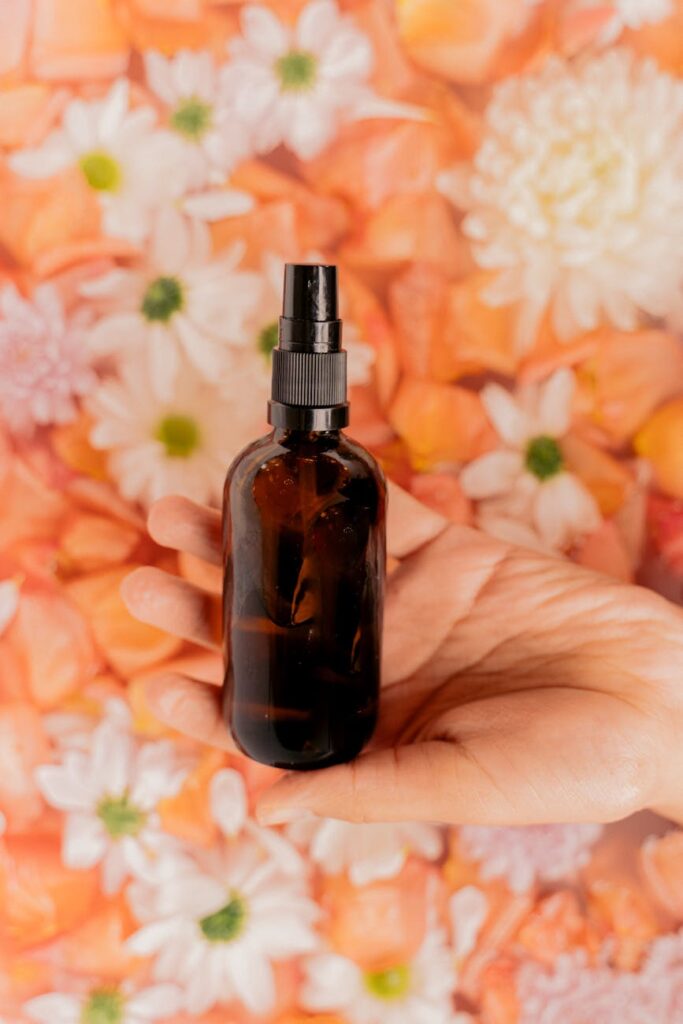
Aromatherapy Uses of Floral Hydrosols for Skin Hydration
Introduction
In recent years, the use of floral hydrosols has gained popularity in the realm of skincare and aromatherapy. Derived from the steam distillation of plants, floral hydrosols are essentially the aromatic waters left after essential oils are extracted. They carry the essence of their source plants and offer a myriad of benefits for skin hydration and overall wellness. This article aims to explore the various uses, benefits, and applications of floral hydrosols in aromatherapy, particularly focusing on their hydrating properties.
What Is Floral Hydrosols for Skin Hydration?
Floral hydrosols, also known as hydrolats or floral waters, are created during the distillation process of essential oils. When plant materials—such as flowers, leaves, or stems—are steamed, the steam captures the volatile compounds of the plant. Upon cooling, the steam condenses into water, resulting in a hydrosol that contains water-soluble components, trace amounts of essential oils, and various phytochemicals.
Hydrosols are often less concentrated than essential oils, making them gentler and suitable for direct application on the skin. Their delicate aroma and hydrating properties make them ideal for various skincare routines.
Key Benefits and Properties
Floral hydrosols possess numerous benefits that contribute to skin hydration. Some of the key properties include:
1. Moisturizing
Floral hydrosols contain natural humectants, which attract moisture to the skin. This property helps in keeping the skin hydrated and supple, making them an excellent addition to skincare routines.
2. Soothing and Calming
Many floral hydrosols, such as chamomile and lavender, are known for their soothing qualities. They can help alleviate irritation and redness, providing a calming effect on sensitive skin.
3. Antioxidant Properties
Floral hydrosols are rich in antioxidants, which can help protect the skin from environmental stressors and oxidative damage. This property contributes to maintaining youthful and vibrant skin.
4. Balancing
Certain hydrosols, like rose and geranium, can help balance oil production in the skin. This makes them suitable for various skin types, including oily and combination skin.
5. Refreshing and Revitalizing
Floral hydrosols can be used as a refreshing facial mist, revitalizing the skin throughout the day. Their light, pleasant aroma can also uplift the mood and enhance overall well-being.
Common Uses
Floral hydrosols can be employed in a variety of ways to promote skin hydration:
1. Facial Mists
Using floral hydrosols as facial mists can provide immediate hydration and refreshment. Simply spritz a small amount onto the face whenever needed.
2. Toners
Hydrosols can serve as natural toners, helping to balance the skin’s pH and prepare it for subsequent skincare products.
3. Dilution for Essential Oils
Floral hydrosols can be mixed with essential oils for a milder application. This combination can enhance the overall benefits and provide hydration.
4. In Bathing Rituals
Adding a splash of floral hydrosol to bathwater can enhance the bathing experience, offering both aromatic benefits and skin hydration.
5. After-Sun Care
Floral hydrosols can be soothing after sun exposure, helping to hydrate and calm the skin.
Aromatherapy Applications
Incorporating floral hydrosols into aromatherapy practices can enhance both physical and emotional well-being. Here are some applications:
1. Aromatherapy Blends
Floral hydrosols can be used as a base in aromatherapy blends. For instance, combining rose hydrosol with calming essential oils like lavender can create a soothing atmosphere.
2. Meditation and Relaxation
Using floral hydrosols in meditation can enhance relaxation. Spraying a calming hydrosol in the space can create a tranquil environment, aiding in deeper meditation practices.
3. Massage Therapy
In massage therapy, floral hydrosols can be used as a light mist to hydrate the skin during the treatment, enhancing the overall experience.
4. Home Fragrance
Floral hydrosols can be sprayed in living spaces for a natural scent that promotes an uplifting atmosphere without synthetic fragrances.
Safety Considerations
While floral hydrosols are generally considered safe, there are some precautions to keep in mind:
1. Patch Testing
Before applying a new hydrosol to the skin, it is advisable to perform a patch test. Apply a small amount to a discreet area and observe for any reactions.
2. Storage Conditions
Floral hydrosols should be stored in dark glass bottles to prevent degradation from light exposure. They should also be kept in a cool, dry place.
3. Check for Allergies
Individuals with allergies to specific plants should exercise caution and consult with a knowledgeable source before using a particular hydrosol.
4. Dilution
Although floral hydrosols are milder than essential oils, it is essential to consider dilution when combining them with other products, particularly for sensitive skin types.
Storage and Shelf Life
Floral hydrosols are typically shelf-stable for about 6 months to 2 years, depending on the specific type and storage conditions. To maximize shelf life:
1. Keep Sealed: Always store hydrosols in tightly sealed containers to prevent contamination.
2. Refrigeration: For longer shelf life, consider refrigerating hydrosols, especially in warmer climates.
3. Check for Changes: Regularly inspect hydrosols for changes in color, scent, or clarity, which may indicate spoilage.
Frequently Asked Questions
1. Can floral hydrosols be used on all skin types?
Yes, floral hydrosols are generally suitable for all skin types, including sensitive skin. However, it is advisable to perform a patch test first.
2. How often can I use floral hydrosols?
Floral hydrosols can be used multiple times a day, either as a facial mist or as part of your skincare routine.
3. Are floral hydrosols the same as essential oils?
No, floral hydrosols are different from essential oils. While essential oils are concentrated and potent, hydrosols are diluted and gentler, making them safer for direct application on the skin.
4. Can I use floral hydrosols during pregnancy?
While many floral hydrosols are considered safe during pregnancy, it is always wise to consult with a healthcare provider before using any new products.
5. What is the difference between hydrosols and flavored waters?
Floral hydrosols are made through the steam distillation of plants and hold therapeutic properties, whereas flavored waters are typically infused with fruits or herbs and may not offer the same benefits.
Conclusion
Floral hydrosols offer a versatile and gentle option for skin hydration within the context of aromatherapy. With their myriad of benefits, from moisturizing and soothing properties to their ability to enhance emotional well-being, these aromatic waters can be a valuable addition to any skincare routine. By understanding their uses, benefits, and proper applications, individuals can harness the power of floral hydrosols to promote skin health and overall wellness.