
Aromatherapy Uses of Floral Hydrosols for Skin Nourishment
Introduction
Floral hydrosols, often referred to as flower waters, have been cherished for centuries as fragrant, therapeutic byproducts of essential oil distillation. Unlike essential oils, which are concentrated extracts, hydrosols are gentler, water-based solutions that retain many of the beneficial properties of their source plants. This article explores the uses of floral hydrosols in the context of skin nourishment, highlighting their benefits, applications, and safety considerations within aromatherapy practices.
What Are Floral Hydrosols for Skin Nourishment?
Floral hydrosols are produced during the steam distillation of aromatic plants to extract essential oils. During this process, water vapor carries the plant’s volatile compounds, and upon cooling, the water separates from the essential oil, resulting in two distinct products: essential oil and hydrosol. While essential oils are potent and require dilution for safe usage, hydrosols are generally safe to use directly on the skin due to their mild nature.
Hydrosols retain the hydrophilic (water-loving) components of plants, which can include a range of phytochemicals, antioxidants, and trace elements. This makes them beneficial for skin care, as they can provide hydration, soothing effects, and a gentle fragrance without the risk of irritation often associated with essential oils.
Key Benefits and Properties
Floral hydrosols are celebrated for their diverse properties, making them valuable in skin nourishment:
1. Hydration: Hydrosols provide a refreshing burst of moisture to the skin, making them ideal for toner applications or as a facial mist.
2. Soothing Effects: Many floral hydrosols, such as chamomile and lavender, are known for their calming properties, helping to reduce skin irritation and redness.
3. Antioxidant Properties: Hydrosols contain antioxidants that can help protect the skin against environmental stressors, contributing to a more youthful appearance.
4. Antimicrobial Activity: Certain hydrosols, such as tea tree and rosemary, possess antimicrobial properties, which can assist in maintaining clear skin.
5. pH Balancing: The natural pH levels of floral hydrosols can help balance the skin’s acidity, promoting a healthy complexion.
6. Aromatic Benefits: In addition to their physical properties, the aromatic qualities of hydrosols can provide emotional and psychological benefits, helping to reduce stress and enhance mood.
Common Uses
Floral hydrosols are versatile and can be incorporated into various skin care routines. Some common uses include:
- Facial Toners: Used after cleansing, hydrosols can help remove any remaining impurities while also hydrating and soothing the skin.
- Facial Mists: A quick spritz throughout the day can refresh the skin, especially in dry or hot environments.
- Compresses: Soaking a cloth in a hydrosol and applying it to the face can provide targeted relief for irritated or inflamed skin.
- Bath Additives: Adding hydrosols to bathwater can enhance the bathing experience with their soothing and aromatic properties.
- Hair Care: Floral hydrosols can also be used as hair tonics or scalp treatments to promote a healthy scalp and add shine to hair.
- Makeup Setting Spray: A light mist of hydrosol can help set makeup while providing hydration.
- Patch Testing: Always conduct a patch test before using a new hydrosol on a larger area of skin to rule out any allergic reactions.
- Sensitivities: Individuals with sensitive skin or specific allergies should exercise caution. Some hydrosols may cause irritation, particularly for those with allergies to the source plant.
- Pregnancy and Nursing: While most floral hydrosols are considered safe, it is advisable for pregnant or nursing individuals to consult a healthcare provider before use.
- Storage: Proper storage is essential to maintain the integrity of hydrosols, as they can degrade over time or become contaminated.
- Refrigeration: Many hydrosols benefit from refrigeration to prolong shelf life and maintain freshness. This is particularly important for those that do not contain preservatives.
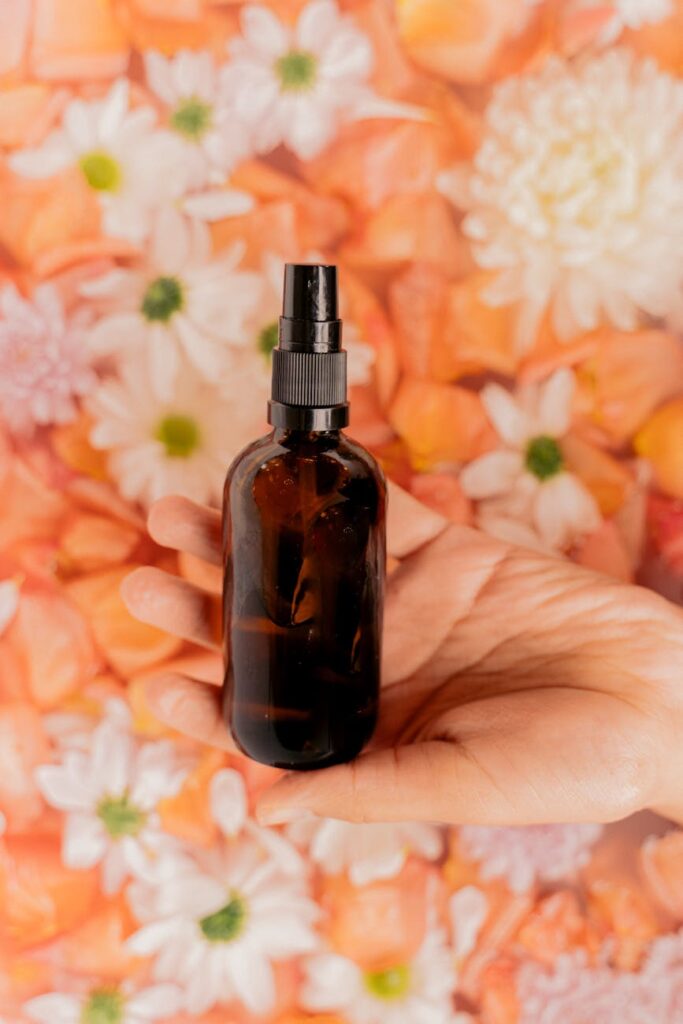
- Dark Glass Containers: Store hydrosols in dark glass bottles to protect them from light exposure, which can degrade their quality.
- Shelf Life: The shelf life of floral hydrosols can vary, but most have a shelf life of 6 months to 2 years, depending on the plant source and storage conditions. Always check for any changes in smell or color before use.
Aromatherapy Applications
In the realm of aromatherapy, floral hydrosols can serve multiple purposes:
Emotional Well-being
The gentle aromas of hydrosols can be used in various ways to enhance emotional health. They can be diffused in the air, used in personal inhalers, or added to baths for stress relief and relaxation. For example, rose hydrosol is often associated with feelings of love and compassion, while lavender hydrosol is renowned for its calming effects.
Skin Care Rituals
Incorporating floral hydrosols into daily skin care rituals can enhance overall health and well-being. They can be layered into a routine, starting with cleansing, followed by application of a hydrosol, and finishing with moisturizer. This method not only nourishes the skin but also provides a sensory experience that encourages mindfulness.
Blending with Essential Oils
Hydrosols can also serve as a carrier base for essential oil blends. By diluting essential oils in hydrosols instead of carrier oils, users can create lighter formulations that are well-suited for facial applications. This approach allows for the combined benefits of both essential oils and hydrosols.
Safety Considerations
While floral hydrosols are generally safe for most skin types, there are a few considerations to keep in mind:
Storage and Shelf Life
To ensure the longevity and efficacy of floral hydrosols, they should be stored properly:
Frequently Asked Questions
1. Can I use floral hydrosols on sensitive skin?
Yes, most floral hydrosols are safe for sensitive skin. However, it is recommended to perform a patch test before widespread application.
2. How often should I use floral hydrosols?
Floral hydrosols can be used multiple times a day, depending on your skin’s needs. They can be applied as a toner, facial mist, or added to your skincare routine.
3. Are floral hydrosols safe for children?
Many floral hydrosols are safe for children, although it is essential to consult a healthcare provider regarding specific varieties and any potential allergies.
4. Can I use floral hydrosols in place of water in recipes?
Floral hydrosols can often be used in place of water in DIY beauty recipes to add additional benefits and fragrance. However, consider the properties of the specific hydrosol you are using.
5. How do I choose the right floral hydrosol for my skin type?
Identify your skin concerns and research the properties of specific hydrosols. For instance, rose hydrosol is excellent for dry skin, while tea tree hydrosol may benefit oily or acne-prone skin.
Conclusion
Floral hydrosols represent a gentle yet effective method for nourishing the skin while offering a multitude of aromatic and emotional benefits. Their versatility makes them suitable for various applications in both skincare and aromatherapy. By understanding their properties, uses, and safe practices, individuals can incorporate floral hydrosols into their daily routines for enhanced skin health and overall well-being. Whether used as a refreshing mist, a calming toner, or an aromatic addition to a bath, floral hydrosols provide a natural path to skin nourishment and holistic wellness.