
Aromatherapy Uses of Floral Hydrosols
Introduction
Aromatherapy, an ancient practice rooted in the use of natural plant extracts, has gained popularity in modern wellness routines. Among the various products used in this practice, floral hydrosols stand out for their gentle, versatile nature. Often overshadowed by essential oils, these aromatic waters hold a unique place in the world of natural remedies. This article aims to explore the composition, benefits, applications, and safety considerations of floral hydrosols, providing a comprehensive guide for those interested in enhancing their aromatherapy experience.
What Is Floral Hydrosols?
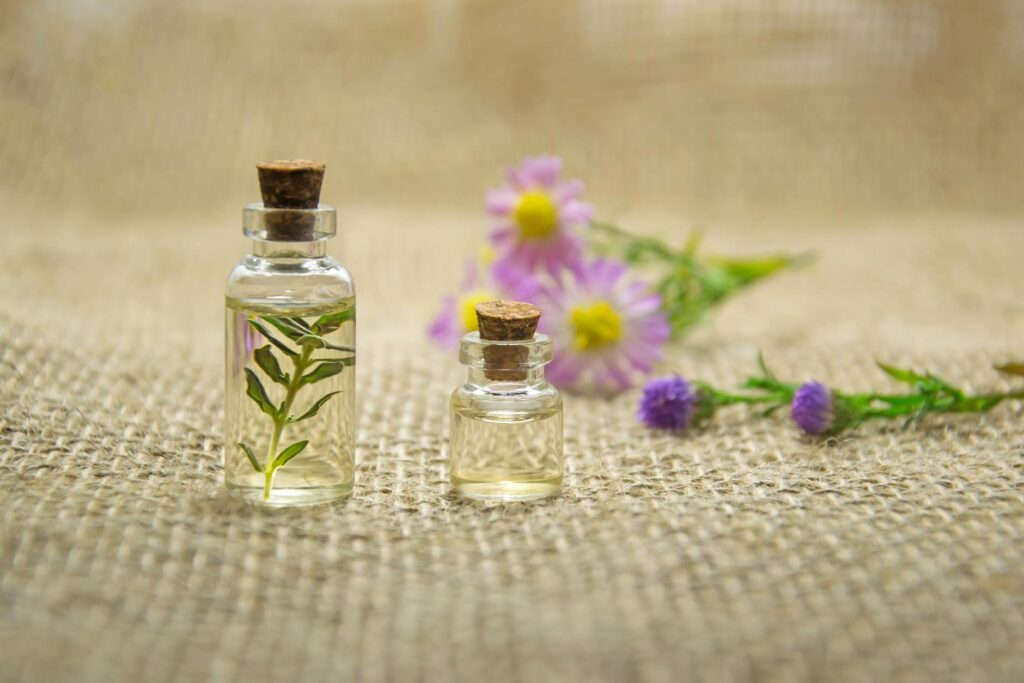
Floral hydrosols, also known as hydrolats or hydrosol waters, are byproducts of the steam distillation process used to extract essential oils from aromatic plants. During distillation, steam passes through plant material, capturing volatile compounds and essential oils. When the steam condenses back into liquid, it separates into two components: the essential oil, which rises to the top, and the hydrosol, which remains in the water below.
Hydrosols are characterized by their milder scent and therapeutic properties compared to essential oils. They contain water-soluble compounds and trace elements of essential oils, making them more suitable for direct application on the skin and gentle enough for various uses, including in skincare, culinary applications, and household cleaning.
Key Benefits and Properties
Floral hydrosols offer a range of benefits, making them valuable additions to both personal care routines and holistic practices. Some key properties include:
- Gentle and Safe: Floral hydrosols are often less concentrated than essential oils, making them generally safe for direct skin application, even for sensitive skin and children.
- Hydrating and Soothing: Many floral hydrosols possess hydrating properties and can help soothe irritated skin, making them ideal for facial mists and after-sun care.
- Aromatic Qualities: Hydrosols provide a subtle yet pleasant aroma, perfect for creating a calming atmosphere in any space.
- Therapeutic Effects: They can have various effects, from promoting relaxation to energizing the mind, depending on the plant used.
- Natural Preservatives: The antimicrobial properties of some hydrosols can help preserve products and extend shelf life, making them useful in formulations for skincare and cleaning.
- Facial Mists: A popular use in skincare, floral hydrosols can be sprayed directly onto the face to hydrate and refresh the skin throughout the day.
- Body Sprays: They can be used as natural body sprays or deodorants, providing a light fragrance without the synthetic additives found in many commercial products.
- Bath Additives: Adding hydrosols to bathwater can enhance relaxation and create a spa-like experience at home.
- Hair Care: Floral hydrosols can be used as hair rinses, adding shine and fragrance while helping to balance scalp conditions.
- Household Cleaning: Due to their antimicrobial properties, some hydrosols can be included in homemade cleaning solutions, offering a natural alternative to chemical cleaners.
- Diffusion: Although predominantly used as a spray, hydrosols can also be placed in a diffuser or nebulizer to disperse their aroma throughout a room, promoting a calming or uplifting environment.
- Massage: Diluted floral hydrosols can be incorporated into massage oils, providing hydration to the skin while allowing the soothing aroma to enhance relaxation.
- Meditation and Mindfulness: Incorporating hydrosols into meditation practices can create a soothing atmosphere, allowing for deeper relaxation and mindfulness.
- Energy Balancing: Certain hydrosols can be used in energy work or chakra balancing, helping to clear and harmonize energy fields.
- Culinary Uses: Some floral hydrosols, such as rose or lavender, can also be incorporated into culinary dishes or beverages, adding a unique flavor profile and aromatic experience.
- Allergies: Always conduct a patch test on a small area of skin before widespread application, especially for individuals with sensitive skin or known allergies.
- Quality: Choose high-quality, organic hydrosols to avoid synthetic additives or contaminants. Look for products that provide transparency regarding their sourcing and production methods.
- Dilution: Although floral hydrosols are milder than essential oils, it is still advisable to dilute them when combining with other ingredients or if using on sensitive areas.
- Storage: Proper storage is essential to maintain the quality and effectiveness of floral hydrosols.
- Cool, Dark Place: Store hydrosols in a cool, dark location away from direct sunlight and heat sources to minimize degradation.
- Container: Use dark glass bottles to shield the contents from UV light, which can degrade the quality of the hydrosol.
- Shelf Life: While hydrosols can last from 1 to 3 years, their shelf life depends on the specific plant and production methods. Regularly check for changes in aroma, color, or cloudiness, which might indicate spoilage.
Common Uses
Floral hydrosols can be employed in numerous ways, reflecting their versatility. Some common uses include:
Aromatherapy Applications
In the realm of aromatherapy, floral hydrosols can be utilized in various ways to enhance emotional and mental well-being:
Safety Considerations
While floral hydrosols are generally safe, it is important to consider the following safety precautions:
Storage and Shelf Life
To preserve the integrity of floral hydrosols, proper storage practices should be followed:
Frequently Asked Questions
What is the difference between floral hydrosols and essential oils?
Floral hydrosols are the water-based byproducts of essential oil distillation, containing water-soluble plant compounds and diluted essential oil. Essential oils are concentrated extracts that carry the full aromatic profile and therapeutic properties of the plant.
Can floral hydrosols be used in cooking?
Yes, certain floral hydrosols, such as rose and lavender, can be utilized in culinary applications to enhance flavors in desserts, beverages, and savory dishes. Always ensure that the hydrosol is food-grade and sourced from a reputable supplier.
Are floral hydrosols safe for children?
Most floral hydrosols are considered safe for children; however, it is advisable to consult with a knowledgeable practitioner or conduct a patch test before use.
How can I incorporate floral hydrosols into my skincare routine?
Floral hydrosols can be used as facial mists, in cleansing routines, or as part of a moisturizing regimen. They can also be added to homemade skincare formulations for enhanced hydration and aroma.
Is it necessary to dilute floral hydrosols before using them?
Floral hydrosols are generally gentle and can be used directly on the skin. However, for sensitive areas or when mixing with other ingredients, dilution may be advisable.
Conclusion
Floral hydrosols present a gentle and versatile option for incorporating the benefits of aromatherapy into everyday life. With their soothing properties, delightful aromas, and wide range of applications, these aromatic waters can enhance personal care routines, promote emotional balance, and even contribute to culinary creations. By understanding their properties and uses, individuals can harness the power of floral hydrosols to enrich their holistic practices. Always prioritize quality and safety in your pursuit of these botanical treasures, ensuring a rewarding and enriching experience with every drop.