
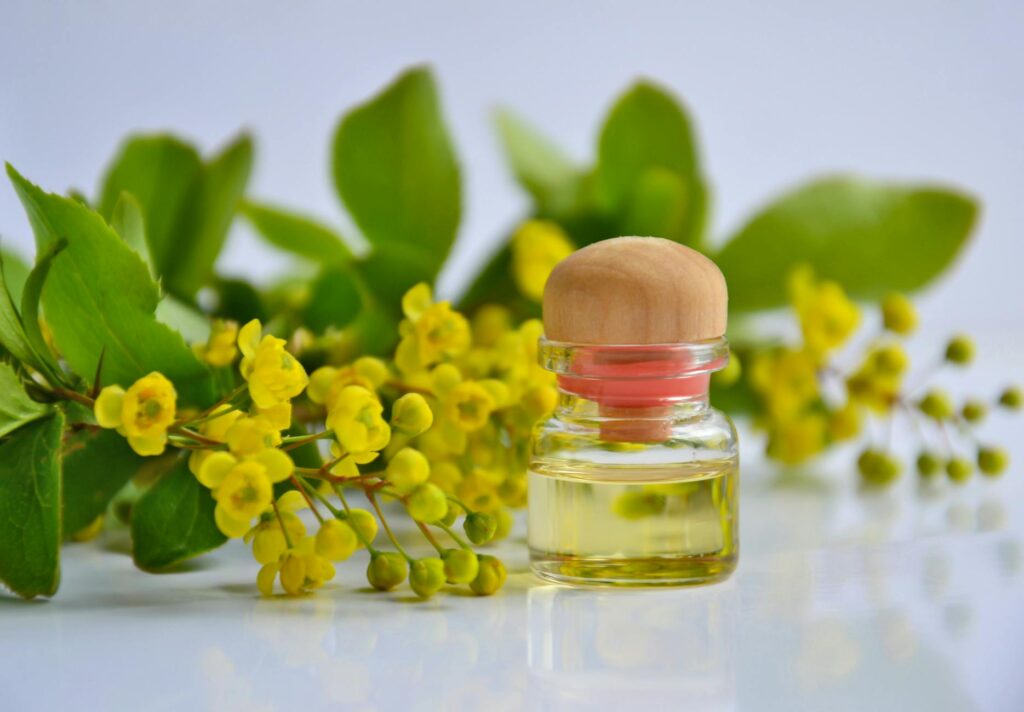
Aromatherapy Uses of Floral Infusions
Introduction
Aromatherapy, an ancient practice that utilizes plant extracts to promote physical and emotional well-being, has gained significant popularity in recent years. Floral infusions, made by steeping flowers in water or oil, form a crucial part of this holistic approach. This article aims to explore the multifaceted uses of floral infusions within the realm of aromatherapy, highlighting their benefits, applications, and safety considerations.
What Are Floral Infusions?
Floral infusions are preparations created by extracting the essence of flowers through a process of steeping. This can be done in various mediums such as water, oil, or alcohol. The resulting infusion captures the delicate aroma, color, and properties of the flowers, making them a valuable addition to aromatherapy practices.
The process usually involves the following steps:
1. Selection of Flowers: Common choices include lavender, chamomile, rose, and hibiscus.
2. Preparation: Fresh or dried flowers are added to the chosen medium.
3. Steeping: The mixture is allowed to sit for a designated period, during which the active compounds are released.
4. Straining: The liquid is filtered to remove the flower material, leaving a fragrant infusion.
Floral infusions can be enjoyed in various forms, including teas, topical applications, and bath soaks, making them versatile for both personal use and therapeutic purposes.
Key Benefits and Properties
Floral infusions boast a range of properties that contribute to their popularity in aromatherapy. These include:
- Aroma: The natural scents of flowers can evoke emotions and create a calming atmosphere.
- Hydration: When used in topical applications, floral infusions can help hydrate the skin.
- Antioxidant Properties: Many flowers contain antioxidants that may contribute to skin health.
- Relaxation and Stress Relief: The soothing aromas of certain floral infusions can promote relaxation and alleviate stress.
- Allergies: Individuals should be aware of any allergies to specific flowers and avoid using infusions made from these plants.
- Dilution: For topical applications, floral infusions should be diluted with a carrier oil to minimize the risk of skin irritation.
- Quality: Ensure that the flowers used are free of pesticides and contaminants. Organic sources are often preferred.
- Consultation: Individuals with existing health conditions or those who are pregnant should consult a healthcare professional prior to use.
- Dark Glass Containers: Store infusions in dark glass bottles to protect them from light, which can degrade their properties.
- Cool, Dry Place: Keep the infusions in a cool, dry environment to prevent spoilage.
- Refrigeration: For water-based infusions, refrigeration is recommended to prolong shelf life.
- Labeling: Clearly label containers with the date of preparation and the type of infusion for easy tracking.
While each flower has unique properties, the general benefits of floral infusions make them appealing for a wide audience.
Common Uses
Floral infusions can be utilized in various ways, enhancing both personal care and relaxation rituals. Some common uses include:
1. Skin Care: Infusions can be used as facial toners or added to creams and lotions for added hydration.
2. Bath Soaks: Adding floral infusions to bathwater can create a luxurious and aromatic bathing experience.
3. Hair Care: Rinsing hair with floral infusions can promote shine and enhance fragrance.
4. Household Products: Floral infusions can serve as natural air fresheners when added to sprays or diffusers.
5. Culinary Applications: Some floral infusions, like chamomile or hibiscus, can be consumed as herbal teas.
These applications highlight the versatility of floral infusions and their capacity to enhance daily routines.
Aromatherapy Applications
In aromatherapy, floral infusions can be employed in various ways to harness their aromatic and therapeutic properties. Some common applications include:
1. Diffusion
Diffusing floral infusions in a space can create a calming atmosphere. Using a diffuser or simply adding the infusion to a bowl of hot water can disperse the aroma, enhancing mood and ambiance.
2. Inhalation
Inhaling the scent of floral infusions directly can provide immediate emotional benefits. This can be done by placing a few drops of the infusion on a cotton ball or using a personal inhaler.
3. Topical Application
Diluting floral infusions with carrier oils allows for safe topical application. This method can be beneficial for skin care, providing hydration and aromatic benefits.
4. Bathing Rituals
Incorporating floral infusions into baths can transform a simple bathing routine into a therapeutic experience. The combination of warm water and soothing aromas can promote relaxation and relieve tension.
5. Meditation and Mindfulness
Using floral infusions during meditation or mindfulness practices can enhance focus and tranquility. The calming scents can help create a serene environment conducive to relaxation and introspection.
These diverse applications not only highlight the versatility of floral infusions but also their potential to enhance overall well-being.
Safety Considerations
While floral infusions are generally safe for use, it is essential to consider a few safety precautions:
By adhering to these considerations, individuals can safely enjoy the benefits of floral infusions in their aromatherapy practices.
Storage and Shelf Life
To maintain the quality and potency of floral infusions, proper storage is crucial. Here are some tips for optimal storage:
The shelf life of floral infusions varies depending on the medium and the flower used. Generally, water-based infusions last about a week, while oil-based infusions can last several months when stored correctly.
Frequently Asked Questions
1. Can I make floral infusions at home?
Yes, floral infusions can easily be made at home using fresh or dried flowers, water, or carrier oils.
2. Which flowers are best for infusions?
Popular choices include lavender, chamomile, rose, and hibiscus, each offering unique scents and properties.
3. How do I use floral infusions in my daily routine?
You can incorporate floral infusions into skin care, baths, hair rinses, or even culinary applications, depending on the type of infusion.
4. Are floral infusions safe for children?
While many floral infusions are safe, it’s advisable to consult with a healthcare professional before using them on children.
5. How can I tell if a floral infusion has gone bad?
Signs of spoilage include off smells, discoloration, or cloudiness in the liquid. If any of these occur, it is best to discard the infusion.
Conclusion
Floral infusions represent a beautiful and aromatic aspect of aromatherapy, offering numerous benefits across various applications. Their versatility in personal care, relaxation, and emotional well-being makes them a valuable addition to any holistic practice. By understanding their properties, uses, and safety considerations, individuals can harness the power of flowers to enhance their daily lives. Through mindful preparation and use, floral infusions can serve as a bridge to nature, inviting tranquility and well-being into our modern world.