
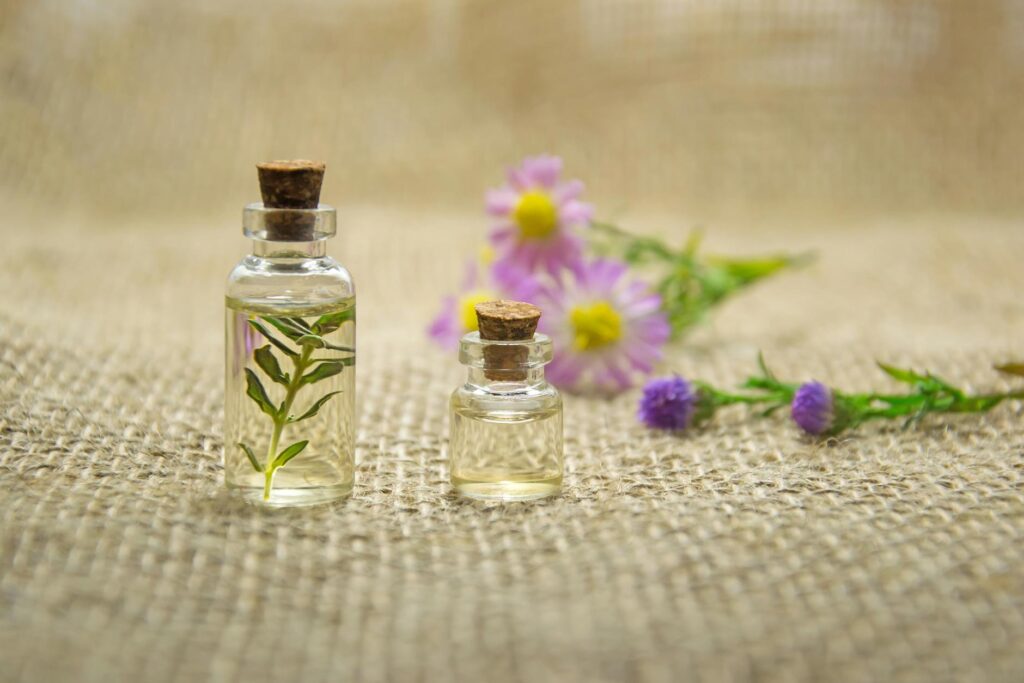
Aromatherapy Uses of Floral Woody Essential Oil Blends
Introduction
Aromatherapy has gained significant popularity as a holistic approach to wellness, employing the therapeutic properties of essential oils to enhance emotional and physical well-being. Among the myriad of essential oil combinations available, floral woody blends stand out for their unique aromatic profiles and multifaceted benefits. This article delves into the characteristics, benefits, and applications of floral woody essential oil blends, providing readers with a comprehensive understanding of their uses in aromatherapy.
What Is Floral Woody Essential Oil Blends?
Floral woody essential oil blends are combinations of floral and woody aromatic compounds derived from various plants. Floral oils, such as rose, lavender, and jasmine, typically possess sweet and uplifting fragrances, while woody oils, like sandalwood, cedarwood, and vetiver, offer grounding and warm scents. When blended, these oils create harmonizing fragrances that can elevate mood and promote a sense of tranquility.
These blends can vary widely in composition, often tailored to evoke specific emotional responses or to provide a balanced aromatic experience. The interplay between the soft, sweet notes of floral oils and the deep, rich undertones of woody oils results in a complex and layered scent profile.
Key Benefits and Properties
The benefits of floral woody essential oil blends can be both emotional and aromatic, making them versatile for various applications. Some key properties include:
1. Emotional Balance: The combination of floral and woody notes can help in promoting emotional stability, alleviating feelings of anxiety or stress. Floral scents are often uplifting, while woody scents provide a calming effect.
2. Relaxation and Stress Relief: Many floral woody blends are known for their relaxing properties, making them beneficial for unwinding after a long day or preparing for restful sleep.
3. Grounding: The earthy notes of woody oils contribute to a feeling of grounding, helping users feel more connected and centered.
4. Aromatherapeutic Synergy: The combination of these oils often leads to a synergistic effect, where the overall impact of the blend is greater than the sum of its individual components.
Common Uses
Floral woody essential oil blends can be utilized in various ways:
1. Diffusion: Using an essential oil diffuser is one of the most common methods for dispersing these scents throughout a space. This can create a calming atmosphere, suitable for meditation, yoga, or relaxation.
2. Massage: When diluted with a carrier oil, floral woody blends can be used for massage, providing both aromatic benefits and physical relaxation.
3. Bathing: Adding a few drops of a floral woody blend to bathwater can enhance the bathing experience, promoting relaxation and tranquility.
4. Inhalation: Direct inhalation from the bottle or a cotton ball can provide immediate benefits, especially in stressful situations.
5. Personal Care Products: These blends can be incorporated into homemade lotions, creams, and perfumes, allowing users to enjoy their benefits throughout the day.
Aromatherapy Applications
The applications of floral woody essential oil blends in aromatherapy can be categorized based on their intended effects and settings:
1. Stress Relief and Relaxation
Blends designed for stress relief typically include oils such as lavender and sandalwood. These can be diffused during meditation or used in a calming bath to help soothe the mind and body.
2. Mood Enhancement
For those seeking to uplift their mood, blends featuring jasmine and cedarwood can create an invigorating atmosphere. These are ideal for use in spaces where creativity and positivity are encouraged.
3. Sleep Support
When blended with oils like chamomile and vetiver, floral woody oils can promote better sleep quality. Diffusing these oils before bedtime or adding them to a sleep spray can create a serene sleeping environment.
4. Mindfulness and Meditation
Aromatherapy blends that combine grounding woody oils with calming floral scents can enhance meditation practices. The olfactory experience can facilitate deeper focus and a connection to the present moment.
5. Spa and Wellness Centers
Many spas and wellness centers incorporate floral woody blends into their treatments. These oils can enhance the overall experience, promoting relaxation and well-being during massages, facials, and body treatments.
Safety Considerations
While floral woody essential oil blends are generally safe for use, it is essential to take certain precautions:
1. Dilution: Always dilute essential oils with a carrier oil before applying them to the skin to prevent irritation.
2. Allergic Reactions: Conduct a patch test before using a new blend. Apply a small amount on a less sensitive area of skin and observe for any adverse reactions.
3. Pregnancy and Health Conditions: Pregnant individuals and those with specific health conditions should consult a healthcare professional before using essential oils.
4. Age Restrictions: Some essential oils are not suitable for children or pets. Always research the safety of specific oils if they will be used around vulnerable populations.
Storage and Shelf Life
Proper storage is crucial to maintain the integrity of floral woody essential oil blends. Follow these guidelines:
1. Storage Conditions: Essential oils should be stored in a cool, dark place, away from direct sunlight and heat sources. Dark glass containers are preferred to protect the oils from light exposure.
2. Shelf Life: While the shelf life of essential oils can vary, most blends last between 1 to 3 years if stored properly. Always check for any changes in aroma or consistency before use, as this may indicate that the oil has degraded.
3. Labeling: If you create your own blends, label them with the ingredients and date of creation to keep track of their age and composition.
Frequently Asked Questions
1. What are some popular floral woody essential oil blends?
Some popular combinations include lavender and cedarwood, rose and sandalwood, and jasmine and vetiver. Each blend offers unique benefits and aromatic profiles.
2. Can floral woody blends be used in cooking or food?
Generally, essential oils are highly concentrated and should not be ingested unless specifically labeled for culinary use. Always consult a knowledgeable source before considering essential oils for ingestion.
3. How can I create my own floral woody blend?
To create your own blend, select your preferred floral and woody oils, and start with a base ratio (e.g., 3 drops of floral oil to 2 drops of woody oil). Adjust the proportions based on your olfactory preference.
4. Are there any contraindications for using floral woody blends?
While most floral woody blends are safe, it is advisable to consult with a professional if you are pregnant, nursing, or have specific health conditions.
5. Can I use floral woody essential oil blends in my home?
Absolutely! These blends can enhance your home environment, making it more inviting and soothing. Use them in diffusers, potpourri, or homemade cleaning solutions to enjoy their benefits.
Conclusion
Floral woody essential oil blends offer a rich tapestry of aromas and benefits that can enhance emotional well-being and relaxation. With their versatile applications, these blends can be seamlessly integrated into daily routines, promoting a sense of peace and grounding. By understanding their properties, uses, and safety precautions, individuals can fully appreciate the therapeutic potential of these aromatic combinations in the realm of aromatherapy.