
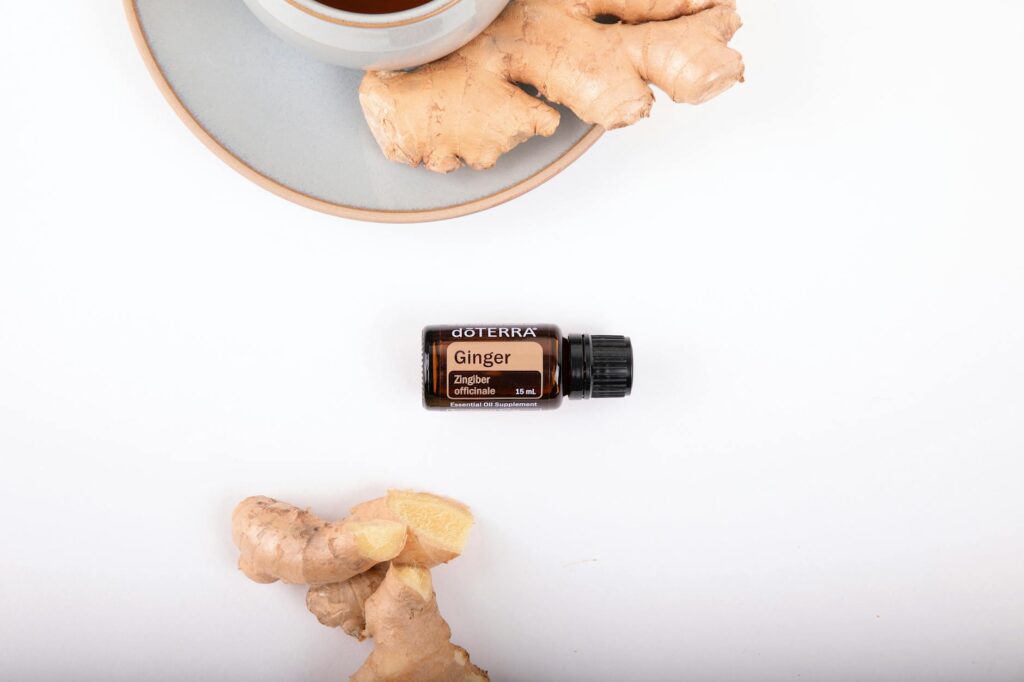
Aromatherapy Uses of Ginger Oil Extract
Introduction
Aromatherapy, the practice of using aromatic plant extracts to promote physical and psychological well-being, has gained popularity in recent years. Among the diverse array of essential oils utilized in this practice, ginger oil extract stands out for its unique properties and versatile applications. Derived from the rhizome of the Zingiber officinale plant, ginger oil has been valued for centuries in traditional medicine and culinary practices. This article delves into the various aspects of ginger oil extract, including its benefits, uses, and safety considerations.
What Is Ginger Oil Extract?
Ginger oil extract is an essential oil obtained from the root of the ginger plant through steam distillation or cold pressing. The oil is characterized by its warm, spicy aroma and is typically pale yellow to amber in color. Ginger has a long history of use in various cultures, particularly in Asia, where it has been employed in cooking, traditional medicine, and as a flavoring agent. The oil captures the essence of the ginger root, encapsulating its beneficial compounds, including zingiberene and gingerol, which contribute to its aromatic and therapeutic properties.
Key Benefits and Properties
Ginger oil extract is celebrated for numerous benefits, making it a popular choice in aromatherapy. Some key properties include:
- Anti-inflammatory: Ginger oil is known for its potential anti-inflammatory effects, which can help alleviate discomfort and promote overall wellness.
- Antioxidant: The oil contains compounds that may help neutralize free radicals, supporting cellular health and longevity.
- Digestive Aid: Traditionally, ginger has been used to support digestive health, and its oil may also contribute to this aspect when used in aromatherapy.
- Mood Enhancer: The uplifting scent of ginger can positively influence mood, making it beneficial for emotional well-being.
- Antimicrobial: Some studies suggest that ginger oil may possess antimicrobial properties, which can be useful in maintaining a clean and balanced environment.
- Aromatherapy Diffusion: One of the most common applications is diffusing the oil in a space to enhance the atmosphere with its warm, spicy aroma.
- Massage Oil: When diluted with a carrier oil, ginger oil can be used in massage therapy to soothe sore muscles and provide a comforting experience.
- Bath Additive: Adding ginger oil to bathwater can enhance relaxation and provide a stimulating experience for the senses.
- Inhalation: Inhalation of ginger oil can be beneficial for invigorating the senses and promoting a sense of alertness.
- Dilution: Essential oils are highly concentrated and should always be diluted with a carrier oil before topical application to prevent skin irritation.
- Patch Test: Conducting a patch test on a small area of skin can help determine individual sensitivity to ginger oil.
- Pregnancy and Nursing: Pregnant or nursing individuals should consult with a qualified healthcare professional before using ginger oil.
- Allergies: Individuals with allergies to ginger or related plants should avoid using ginger oil.
- Children: Ginger oil should be used with caution around children, and it is advisable to consult with a healthcare professional regarding appropriate use.
Common Uses
Ginger oil extract is versatile and can be used in various forms, including:
Aromatherapy Applications
The use of ginger oil extract in aromatherapy can be categorized into several applications:
1. Emotional Well-Being
Ginger oil’s warm and spicy aroma has been shown to uplift the spirit and promote feelings of happiness and positivity. It can be particularly useful during times of stress or emotional turmoil. Diffusing ginger oil in a space can create a comforting environment that encourages relaxation and helps alleviate feelings of anxiety.
2. Physical Wellness
While not a substitute for medical treatment, ginger oil is often utilized in practices aimed at promoting physical wellness. Its anti-inflammatory properties can make it a favorite in massage therapy, particularly for those suffering from muscle soreness or fatigue. When diluted with a carrier oil like sweet almond or jojoba oil, it can be applied topically to affected areas for a warming sensation.
3. Digestive Support
Ginger has long been associated with digestive health. In aromatherapy, ginger oil can be inhaled or diffused before meals to stimulate appetite and promote digestive comfort. Additionally, it may be blended with other digestive-supporting oils, such as peppermint or fennel, for enhanced benefits.
4. Respiratory Health
The warming properties of ginger oil can support respiratory health, making it useful during cold and flu seasons. Inhalation or diffusion can help clear congestion and provide a comforting atmosphere, especially when combined with oils like eucalyptus or tea tree.
Safety Considerations
While ginger oil extract is generally considered safe for most people when used appropriately, several safety considerations should be noted:
Storage and Shelf Life
Proper storage of ginger oil extract is essential to maintain its quality and efficacy. It should be kept in a cool, dark place, away from direct sunlight, and in a tightly sealed container to prevent oxidation. When stored correctly, ginger oil can last for about 2 to 3 years. However, it is always advisable to check the oil for any changes in aroma, color, or texture before use.
Frequently Asked Questions
1. How is ginger oil extract used in aromatherapy?
Ginger oil can be used in various ways, including diffusion, topical application when diluted, and inhalation methods. It can also be added to bathwater for a relaxing experience.
2. Can ginger oil extract help with nausea?
While ginger is traditionally known for its potential to support digestive health, including alleviating nausea, it is essential to consult with a healthcare professional for personalized advice.
3. Is ginger oil safe for everyone?
Ginger oil is generally safe for most individuals when used appropriately. However, pregnant or nursing individuals, children, and those with allergies should exercise caution and consult a healthcare professional if uncertain.
4. How do I choose a quality ginger oil extract?
When selecting ginger oil, look for products that are 100% pure essential oils and sourced from reputable suppliers. Avoid products with added synthetic fragrances or fillers.
5. Can ginger oil extract be ingested?
While some essential oils can be ingested, ginger oil is primarily used for external and aromatic purposes in aromatherapy. Always consult a healthcare professional before considering ingestion.
Conclusion
Ginger oil extract is a valuable addition to the realm of aromatherapy, offering a unique blend of warming, uplifting, and potentially therapeutic properties. Its versatility allows it to be incorporated into various practices, from emotional support to physical wellness. As with any essential oil, understanding its benefits, uses, and safety considerations is essential to harnessing its full potential. Whether you are a seasoned aromatherapy practitioner or a newcomer, ginger oil is a delightful and enriching component of the aromatic experience.