
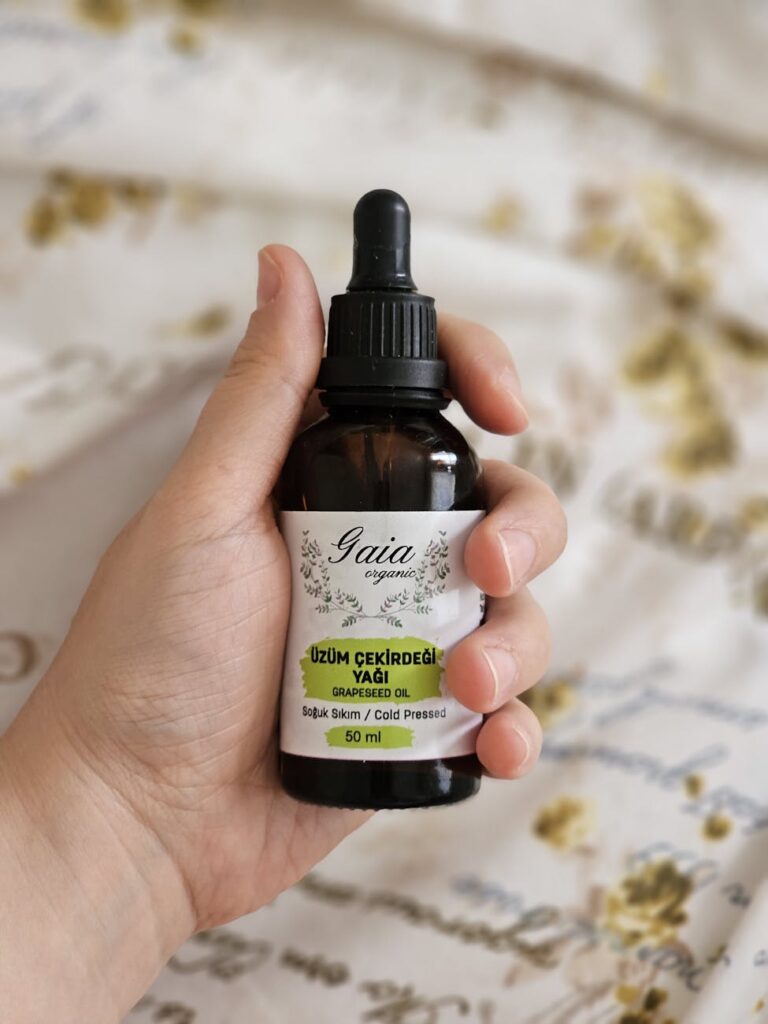
Aromatherapy Uses of Grapeseed Oil
Introduction
Aromatherapy, a holistic healing practice that utilizes essential oils and other aromatic compounds, has gained popularity for its potential benefits in enhancing physical, emotional, and mental well-being. One of the versatile carrier oils frequently used in aromatherapy practices is grapeseed oil. This article delves into the characteristics, benefits, and applications of grapeseed oil in aromatherapy, providing a comprehensive understanding of its role in promoting wellness.
What Is Grapeseed Oil?
Grapeseed oil is derived from the seeds of grapes, typically a byproduct of the winemaking industry. The oil is extracted through a process of cold pressing or solvent extraction, resulting in a light, pale green oil that is rich in essential fatty acids, antioxidants, and vitamins. Its mild flavor and high smoke point make it a popular choice in cooking, but its lightweight texture and beneficial properties also render it an excellent carrier oil in aromatherapy.
Key Benefits and Properties
Grapeseed oil boasts a variety of properties that make it beneficial in both cosmetic and therapeutic applications. Some of its key benefits include:
1. Lightweight Texture: Grapeseed oil is non-greasy and easily absorbed by the skin, making it an ideal carrier oil for diluting essential oils.
2. Rich in Nutrients: It is high in linoleic acid (omega-6 fatty acid), vitamin E, and other antioxidants, contributing to skin health and overall wellness.
3. Antioxidant Properties: The presence of antioxidants helps combat oxidative stress, which is linked to various health issues.
4. Anti-inflammatory Effects: Grapeseed oil may help reduce inflammation, making it beneficial in topical applications.
5. Moisturizing Qualities: Its ability to hydrate and nourish the skin makes it a popular ingredient in skincare formulations.
Common Uses
Grapeseed oil is used in a variety of ways, both in aromatherapy and beyond:
- Skincare: Its lightweight nature makes it a common ingredient in lotions, creams, and serums. It can help moisturize without clogging pores.
- Massage Oil: Due to its smooth texture and absorption properties, grapeseed oil is often used as a base for massage blends.
- Culinary Uses: While primarily focused on aromatherapy, grapeseed oil is also valued in cooking for its high smoke point and neutral flavor.
- Hair Care: It can serve as a conditioner or treatment for dry or damaged hair, providing moisture and shine.
- Patch Test: Always conduct a patch test before using grapeseed oil, especially when blending it with essential oils. Apply a small amount on a discreet area of skin and wait 24 hours to check for any adverse reactions.
- Quality of Oil: Ensure that the grapeseed oil used is of high quality and preferably cold-pressed to maintain its beneficial properties. Opt for organic sources when possible.
- Allergies: Individuals with allergies to grapes or related fruits should avoid grapeseed oil and consult with a healthcare professional before use.
- Pregnancy and Nursing: While grapeseed oil is considered safe for topical use, pregnant or nursing individuals should consult a healthcare provider before using new oils or blends.
- Storage Conditions: Keep grapeseed oil in a cool, dark place, away from direct sunlight and heat. A dark glass bottle is preferable for storage, as it helps protect the oil from light exposure.
- Shelf Life: Typically, grapeseed oil has a shelf life of around 6-12 months, depending on storage conditions. Always check for any off odors or changes in color, which may indicate that the oil has gone rancid.
Aromatherapy Applications
In aromatherapy, grapeseed oil functions primarily as a carrier oil, facilitating the safe application of essential oils. Here are some common applications:
1. Dilution of Essential Oils
Essential oils are highly concentrated plant extracts and can cause skin irritation if applied directly. Grapeseed oil acts as a diluent, allowing for safe topical application. A typical dilution ratio is 2-3 drops of essential oil per teaspoon of grapeseed oil.
2. Massage Blends
Grapeseed oil is frequently chosen for massage blends due to its smooth texture. It allows the practitioner to glide over the skin without excessive friction while providing hydration.
3. Diffusion
Though not as common as other carrier oils, grapeseed oil can be used in oil diffusers when mixed with essential oils. However, its primary use remains topical.
4. Skin Treatments
For skin conditions such as dryness or irritation, grapeseed oil can be blended with essential oils known for their skin-soothing properties, such as lavender or chamomile.
5. Hair Treatments
When combined with essential oils like rosemary or tea tree, grapeseed oil can be used as a treatment for dry hair or scalp issues. Its nourishing properties help revitalize hair while imparting shine.
Safety Considerations
While grapeseed oil is generally regarded as safe for most individuals, it is essential to consider the following safety measures:
Storage and Shelf Life
Proper storage of grapeseed oil is vital to maintain its quality and effectiveness:
Frequently Asked Questions
1. Can grapeseed oil be used on all skin types?
Yes, grapeseed oil is suitable for most skin types, including oily and acne-prone skin, due to its lightweight nature. However, individual reactions may vary, so it is advisable to perform a patch test.
2. Is grapeseed oil safe for children?
Grapeseed oil is generally safe for children when used topically in diluted forms. However, as with any oil, a patch test is recommended, and parents should consult with a healthcare professional if unsure.
3. How does grapeseed oil compare to other carrier oils?
Grapeseed oil is lighter and less greasy than many other carrier oils, such as coconut or olive oil. It absorbs quickly into the skin, making it a popular choice for those seeking a non-oily feel.
4. Can grapeseed oil be ingested?
While grapeseed oil is safe for culinary use, this article focuses on its applications in aromatherapy. Always consult a healthcare professional before incorporating any new oils into your diet.
5. What essential oils blend well with grapeseed oil?
Grapeseed oil pairs well with a wide range of essential oils, including lavender, eucalyptus, tea tree, and rosemary. The choice of essential oil will depend on the desired therapeutic effect.
Conclusion
Grapeseed oil stands out as a versatile carrier oil in the realm of aromatherapy, offering numerous benefits for skin care, massage, and even hair treatments. Its lightweight texture, rich nutrient profile, and antioxidant properties make it an invaluable addition to any aromatherapy toolkit. By understanding its applications and safety considerations, individuals can effectively incorporate grapeseed oil into their wellness routines, harnessing the power of nature for holistic health.